Designed for riders by riders

Carbon is 200 to 300 grams of neck saved per long day. That's the whole value proposition, and it's worth naming before you spend the money.

12 products

Read more about carbon fibre motorcycle helmets

Carbon is 200 to 300 grams of neck saved per long day. That's the whole value proposition, and it's worth naming before you spend the money.

Three hundred kays into a servo stop, you pull the lid off and notice the same thing every time. Your neck isn't tired. That's a carbon shell doing its job over a comparable polycarbonate one, felt most on the 500km days and the track session that runs three sessions deep.

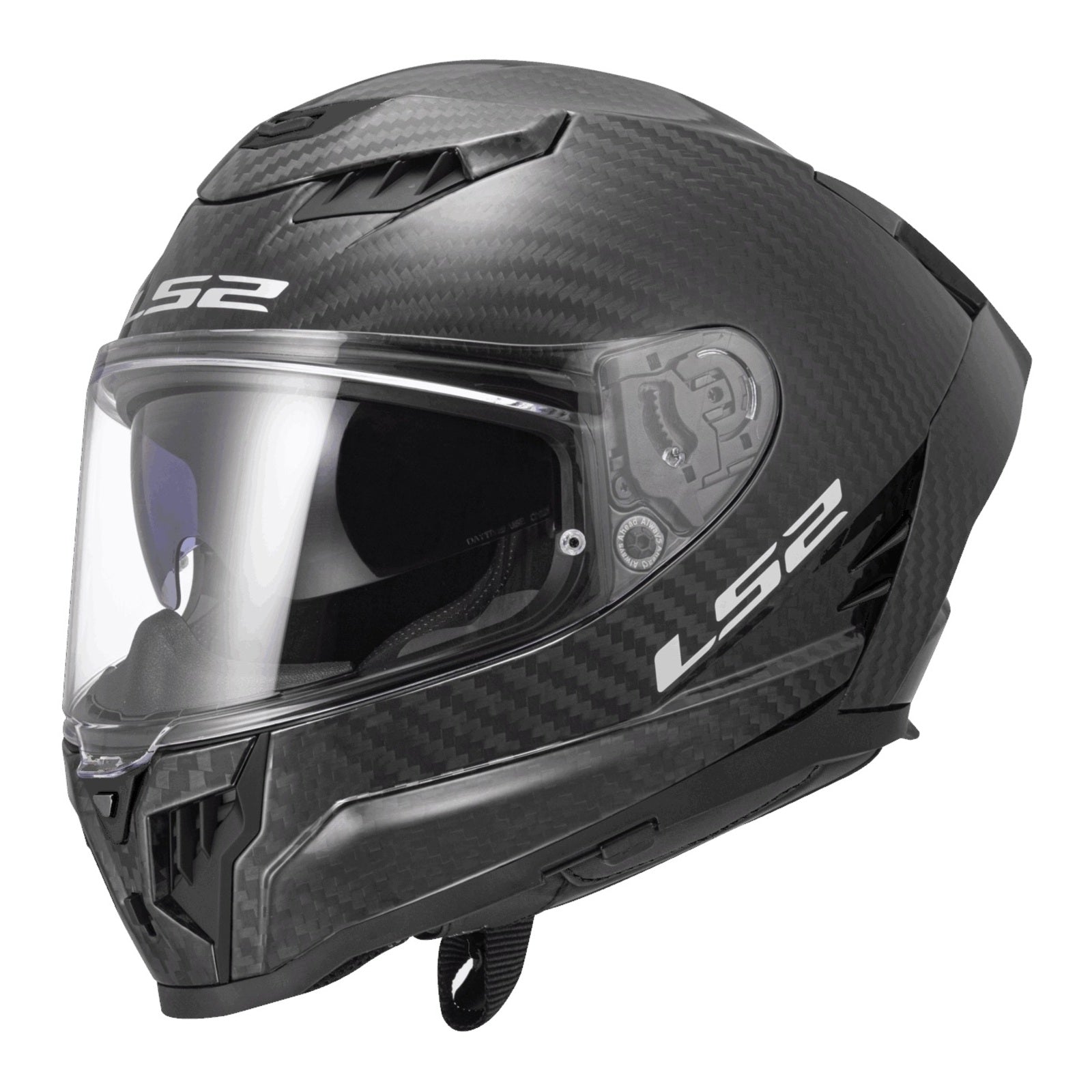
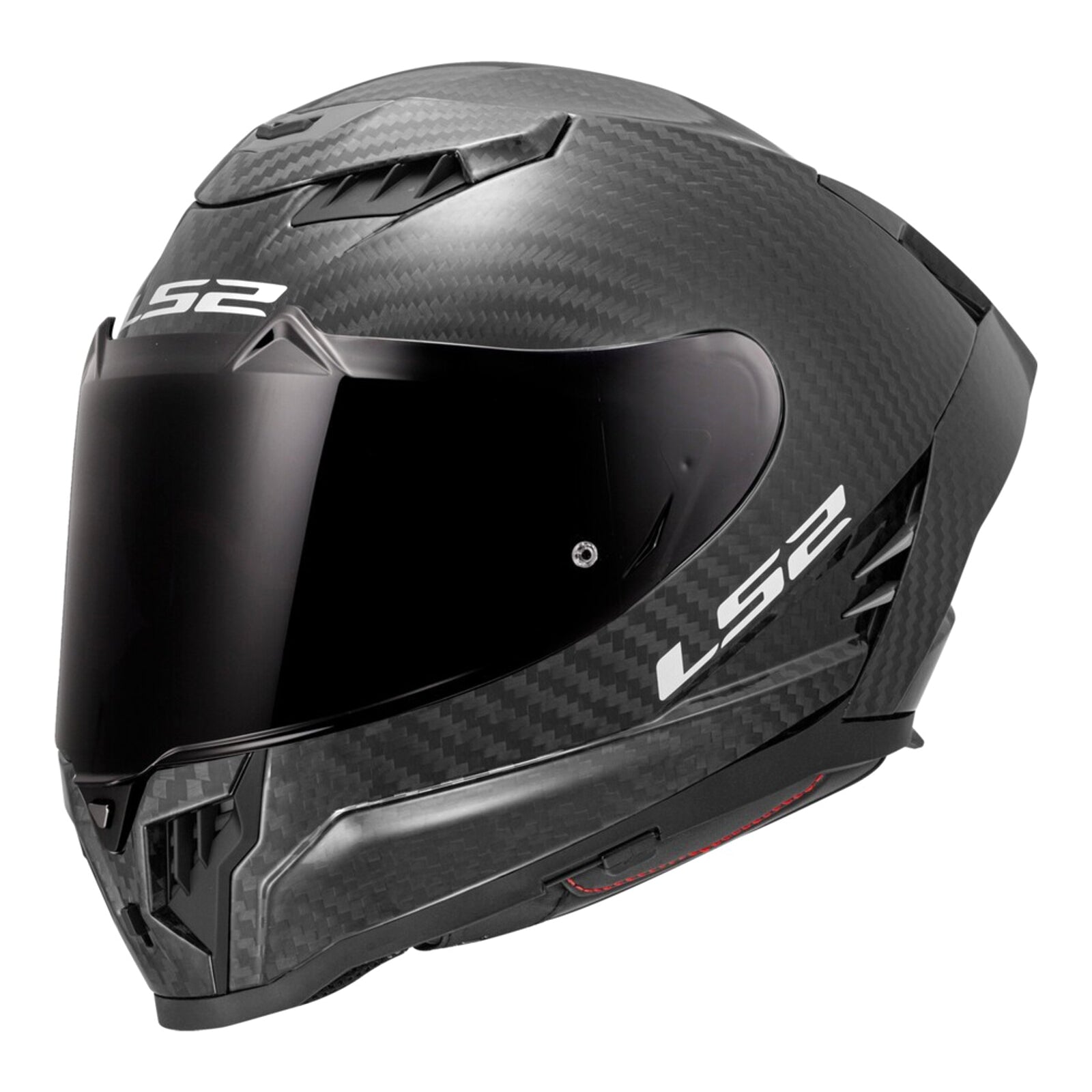
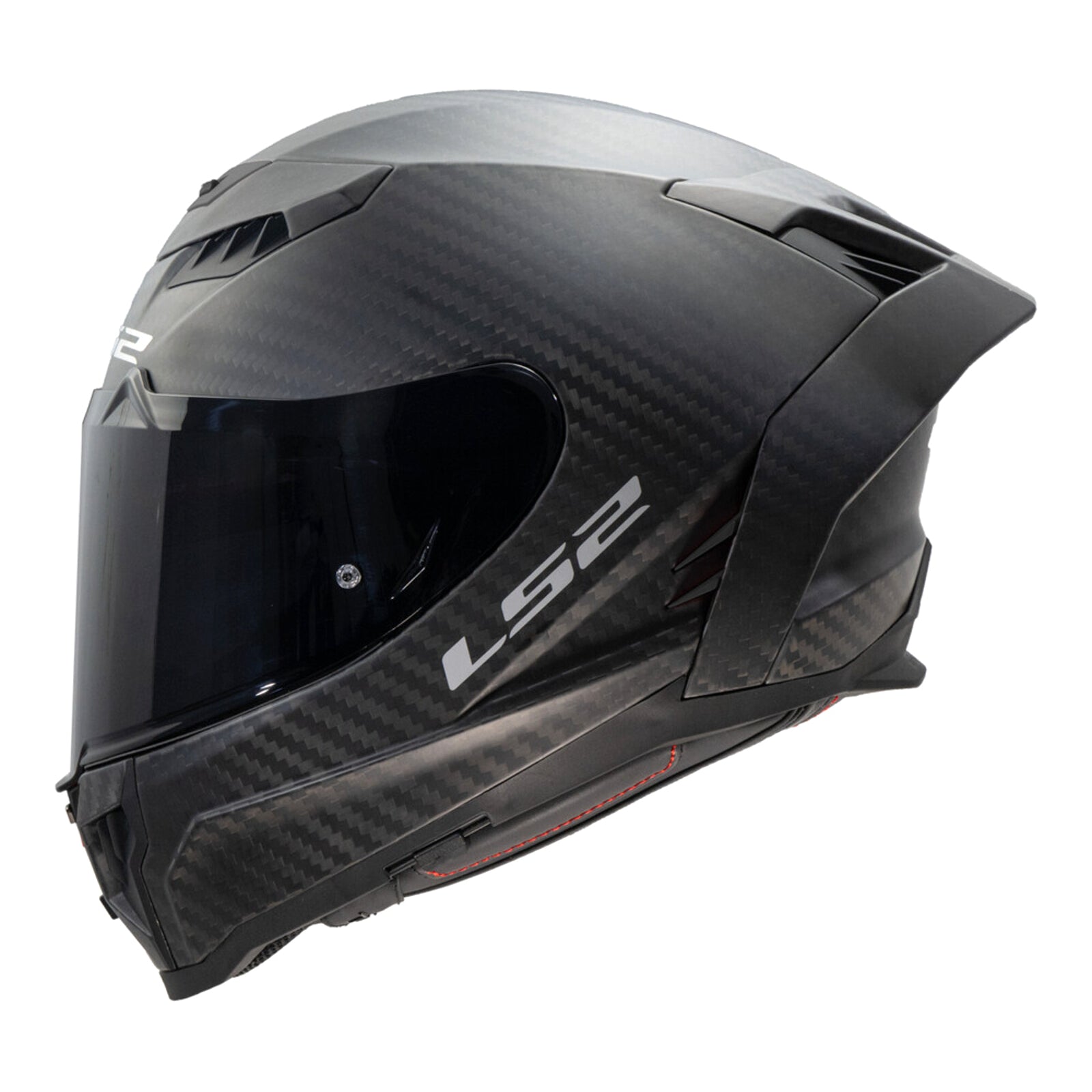
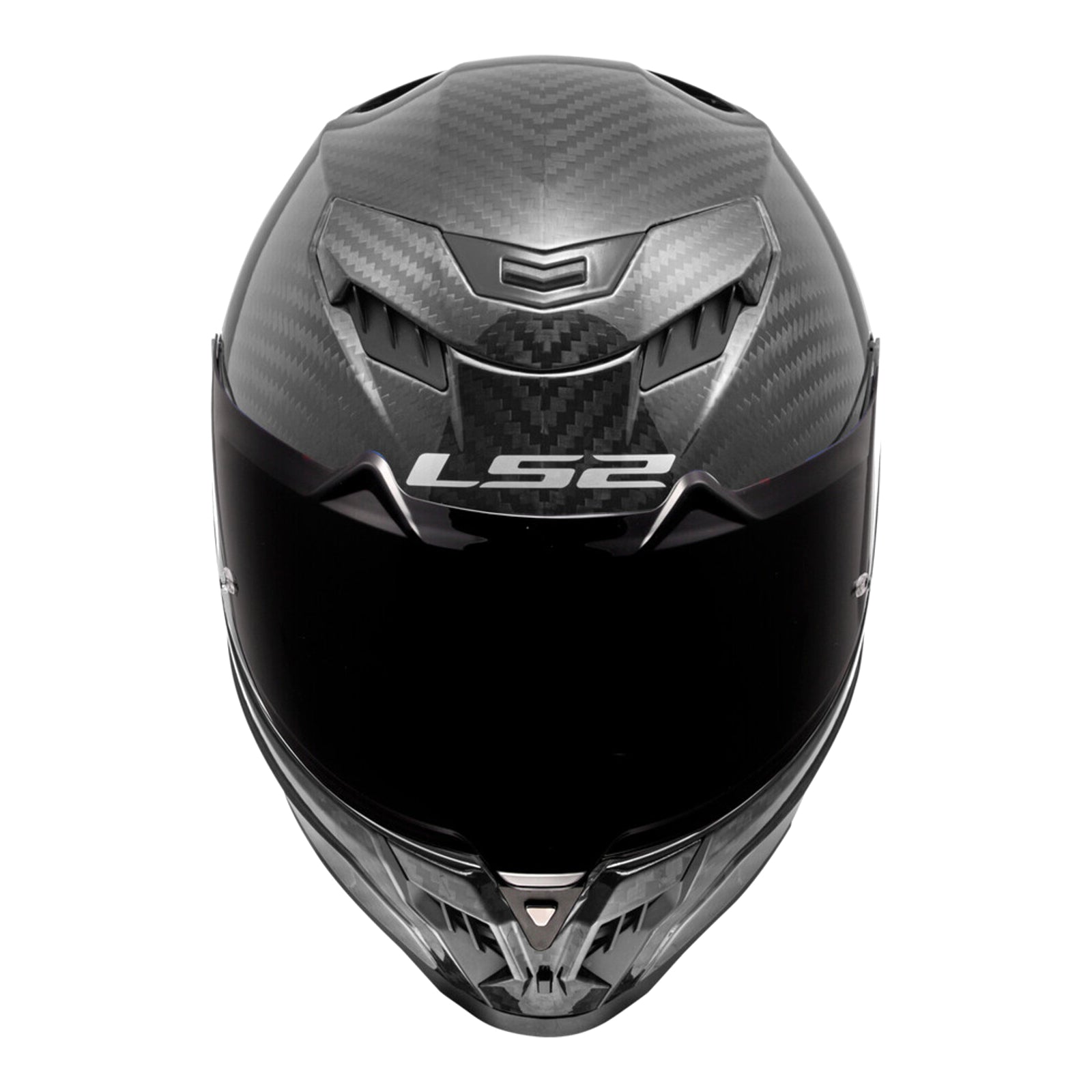
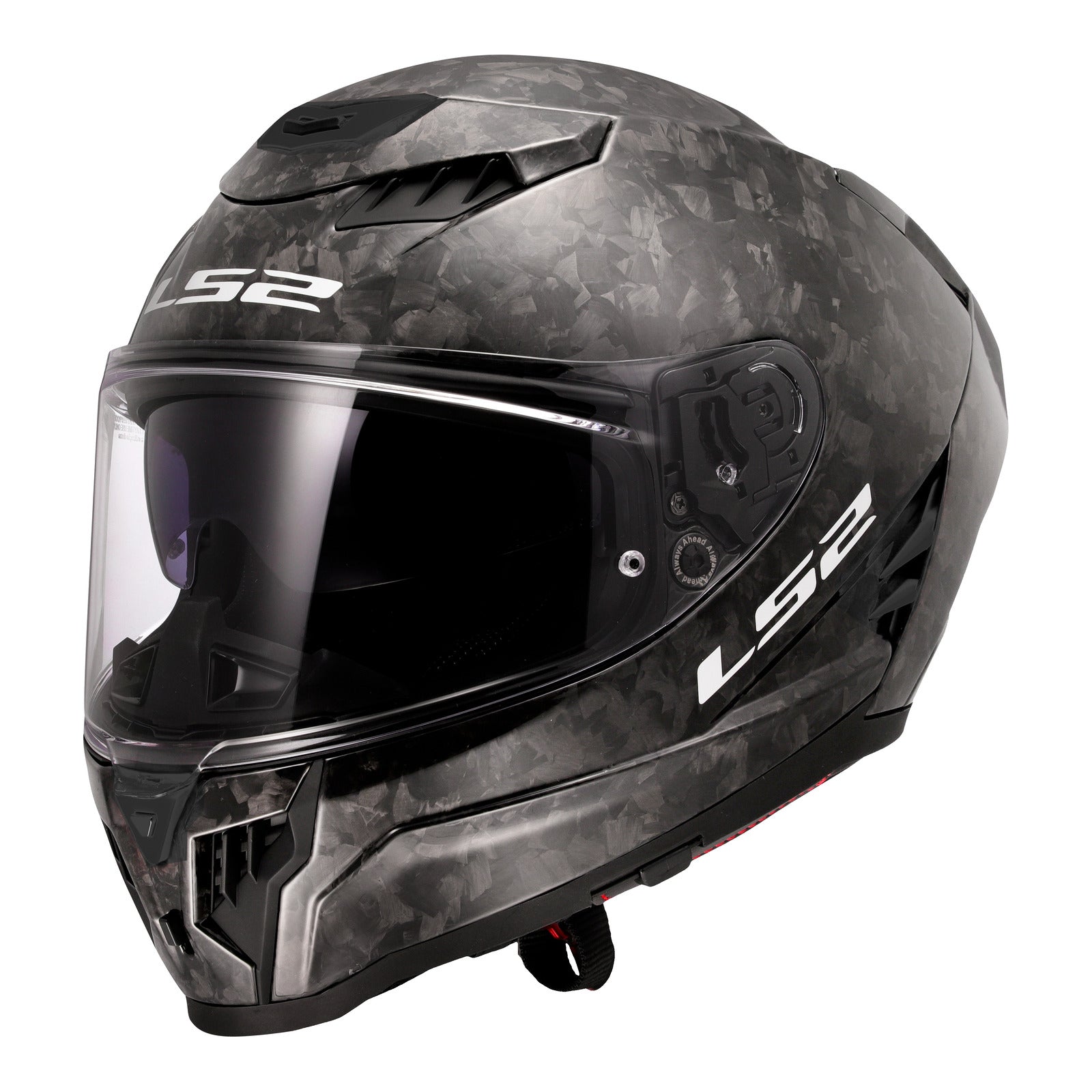
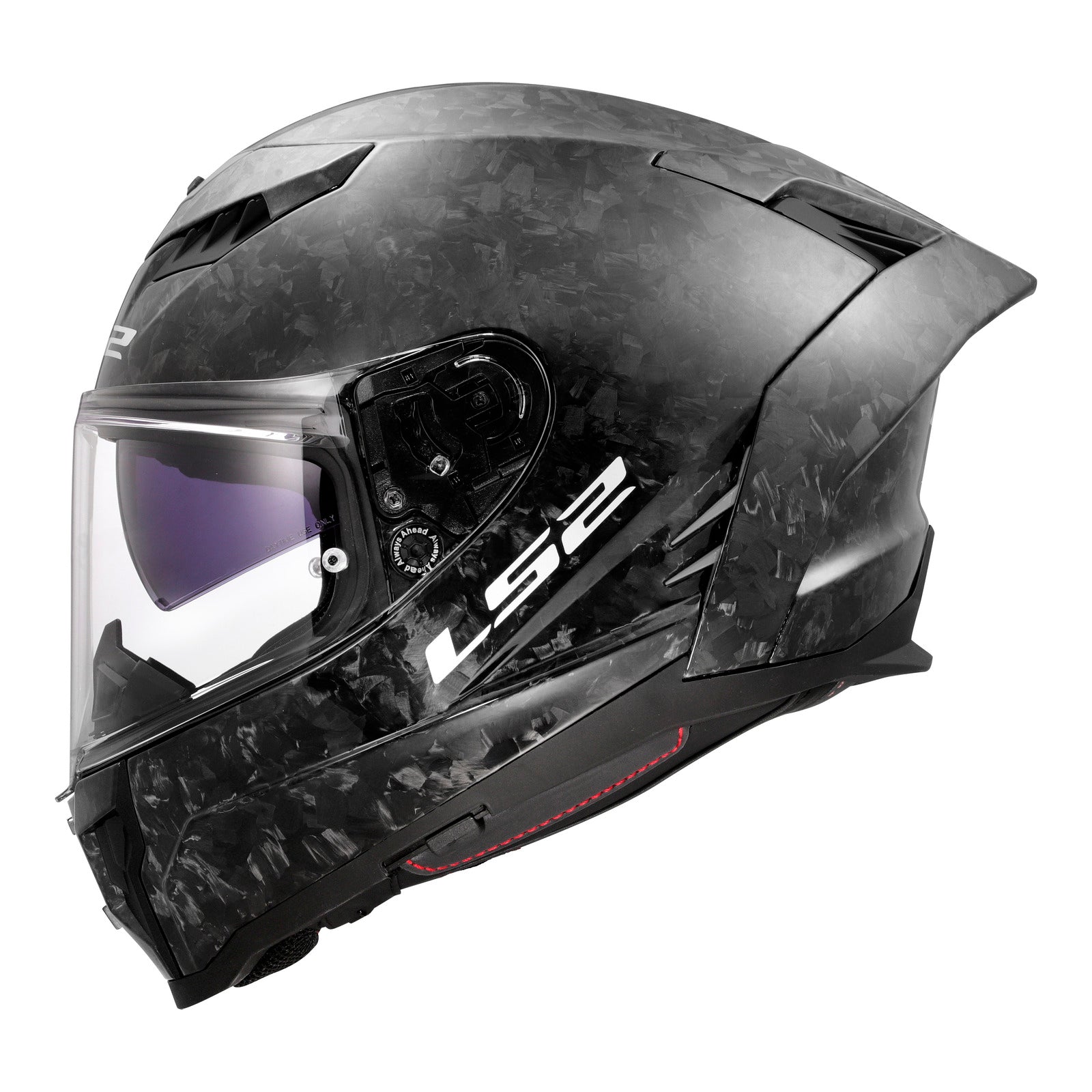
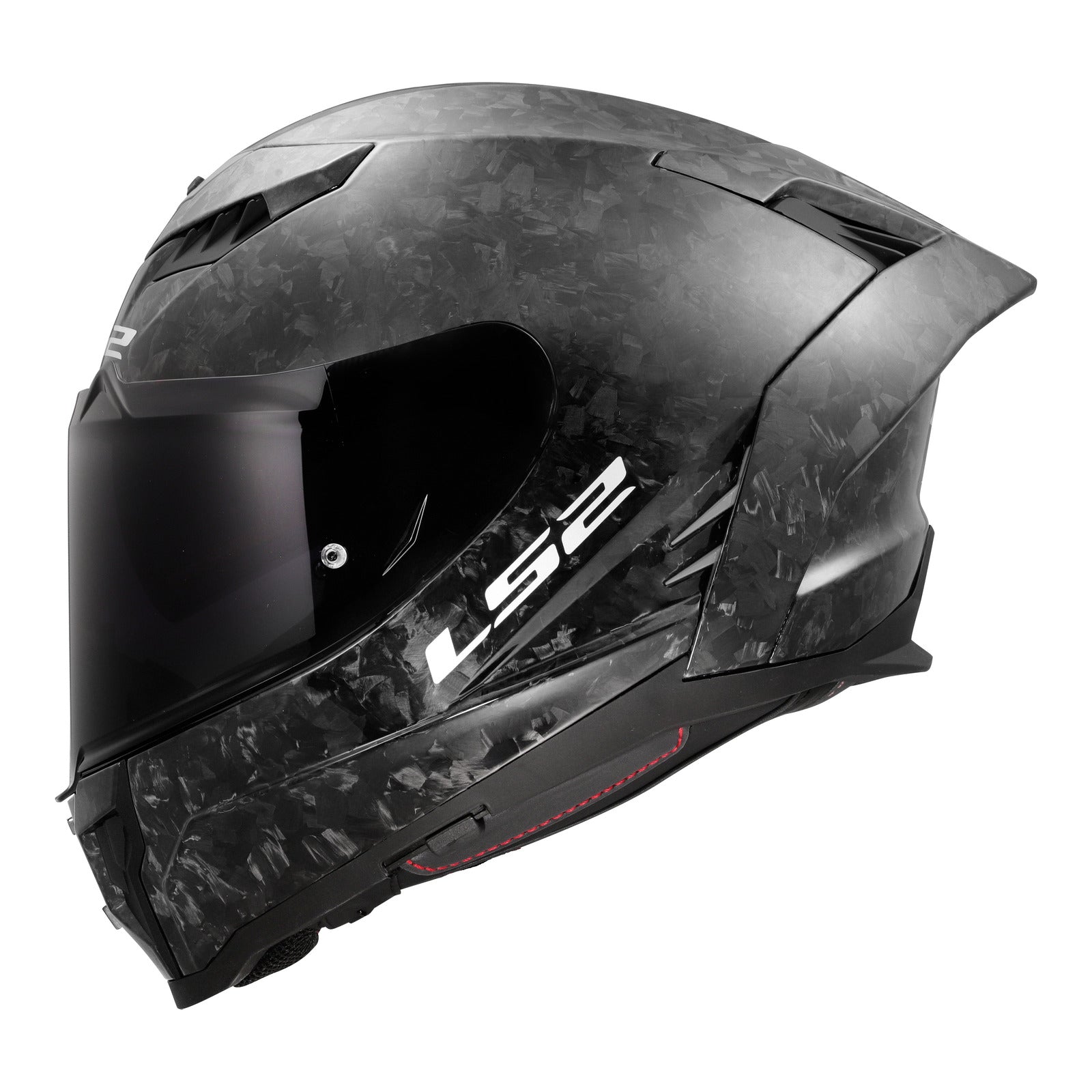
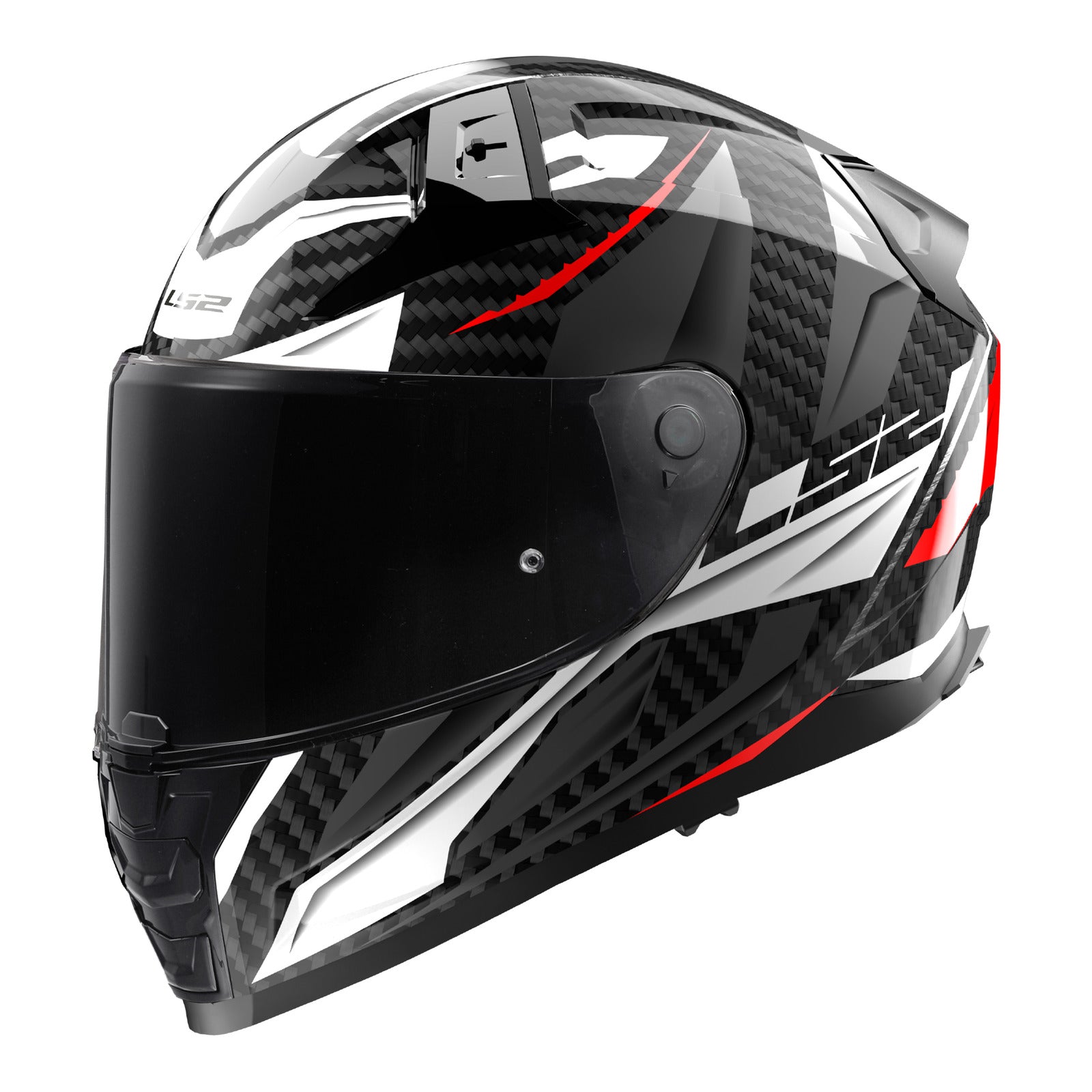
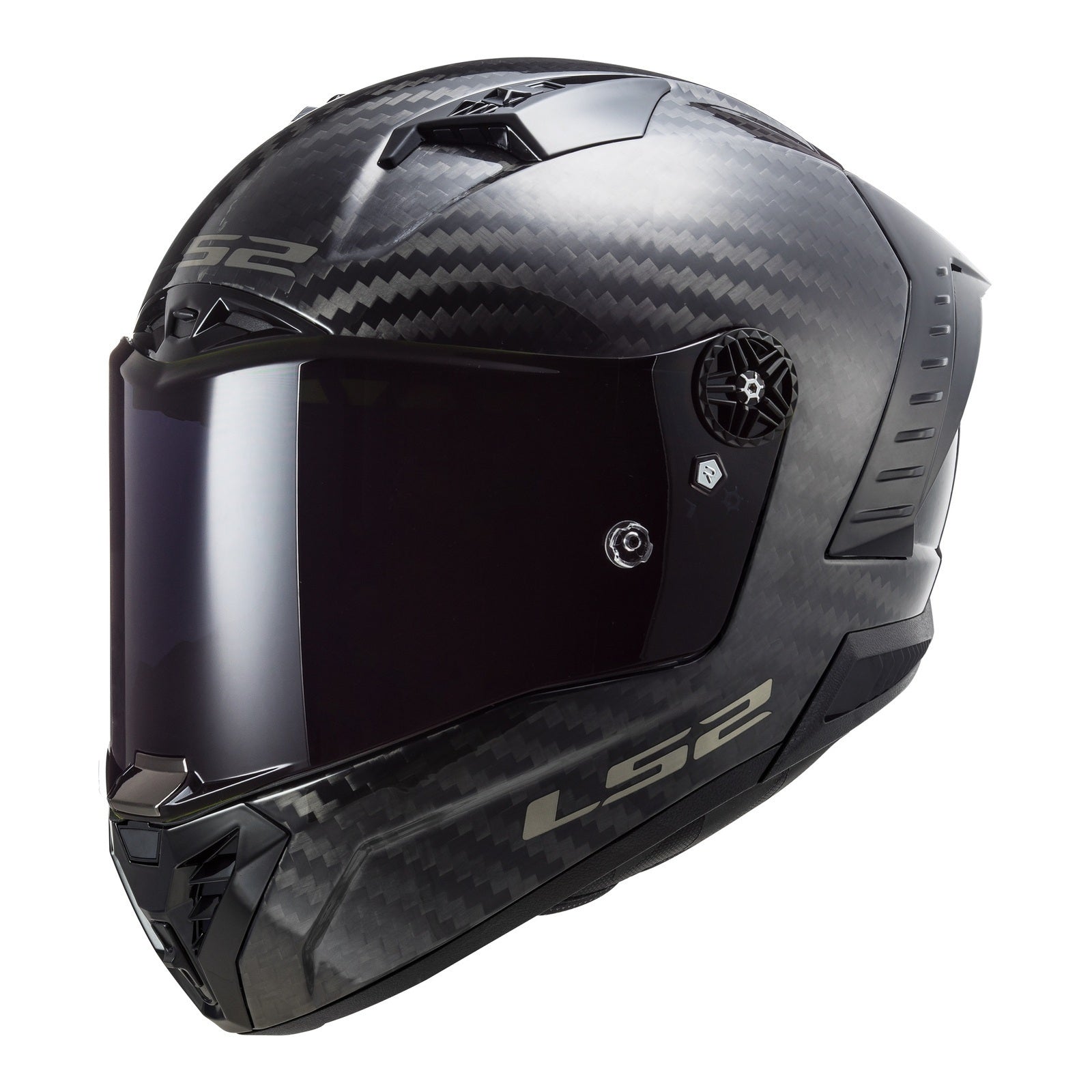
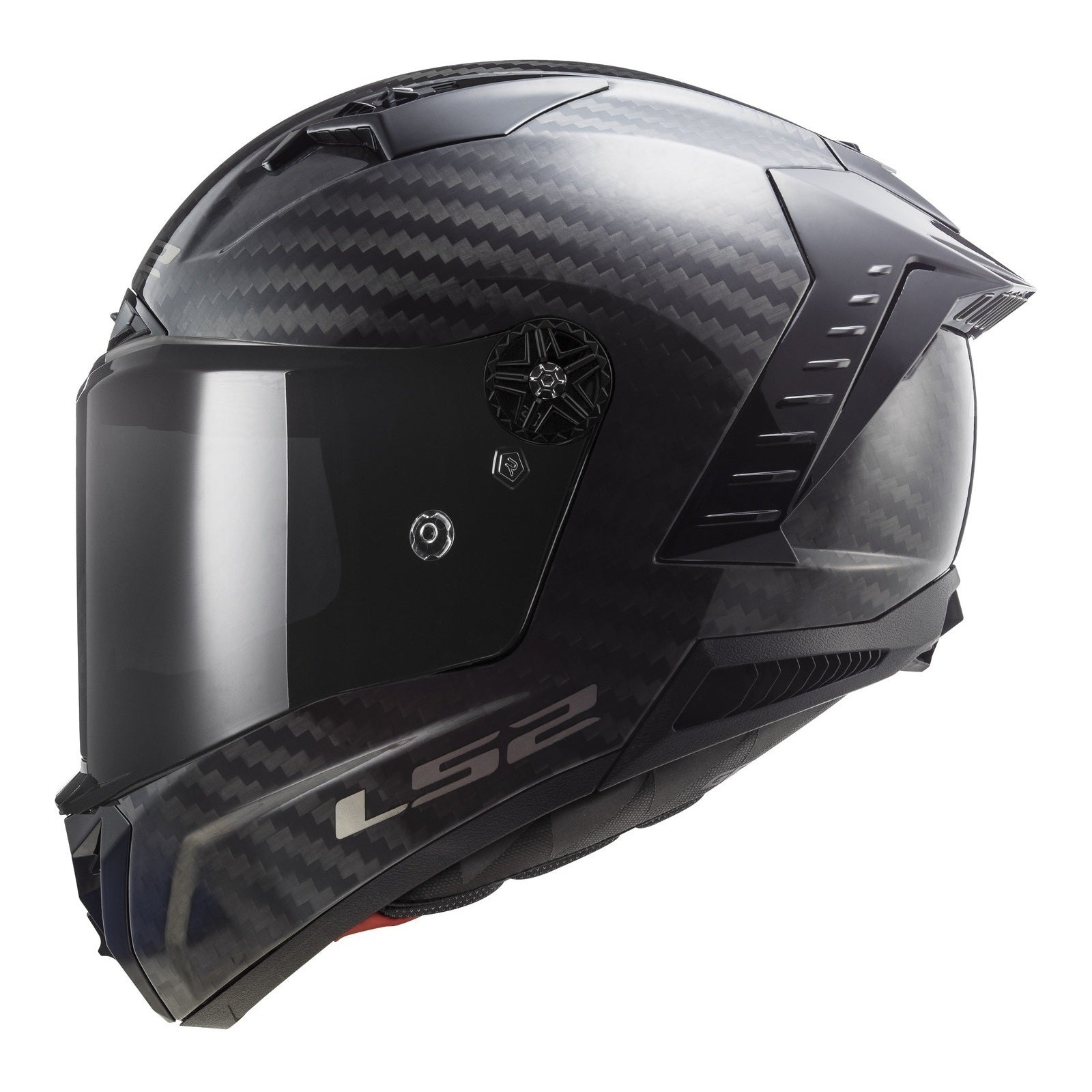
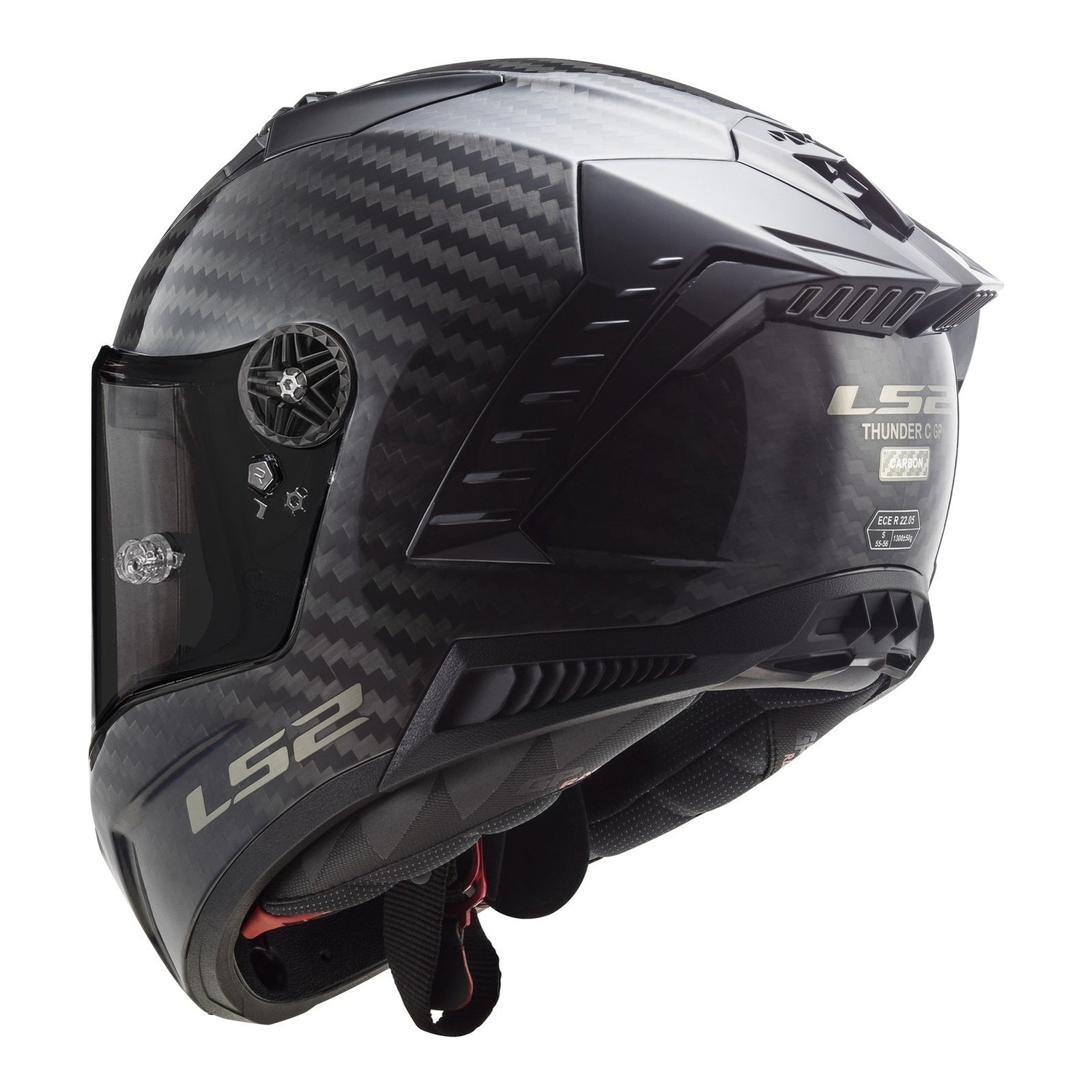
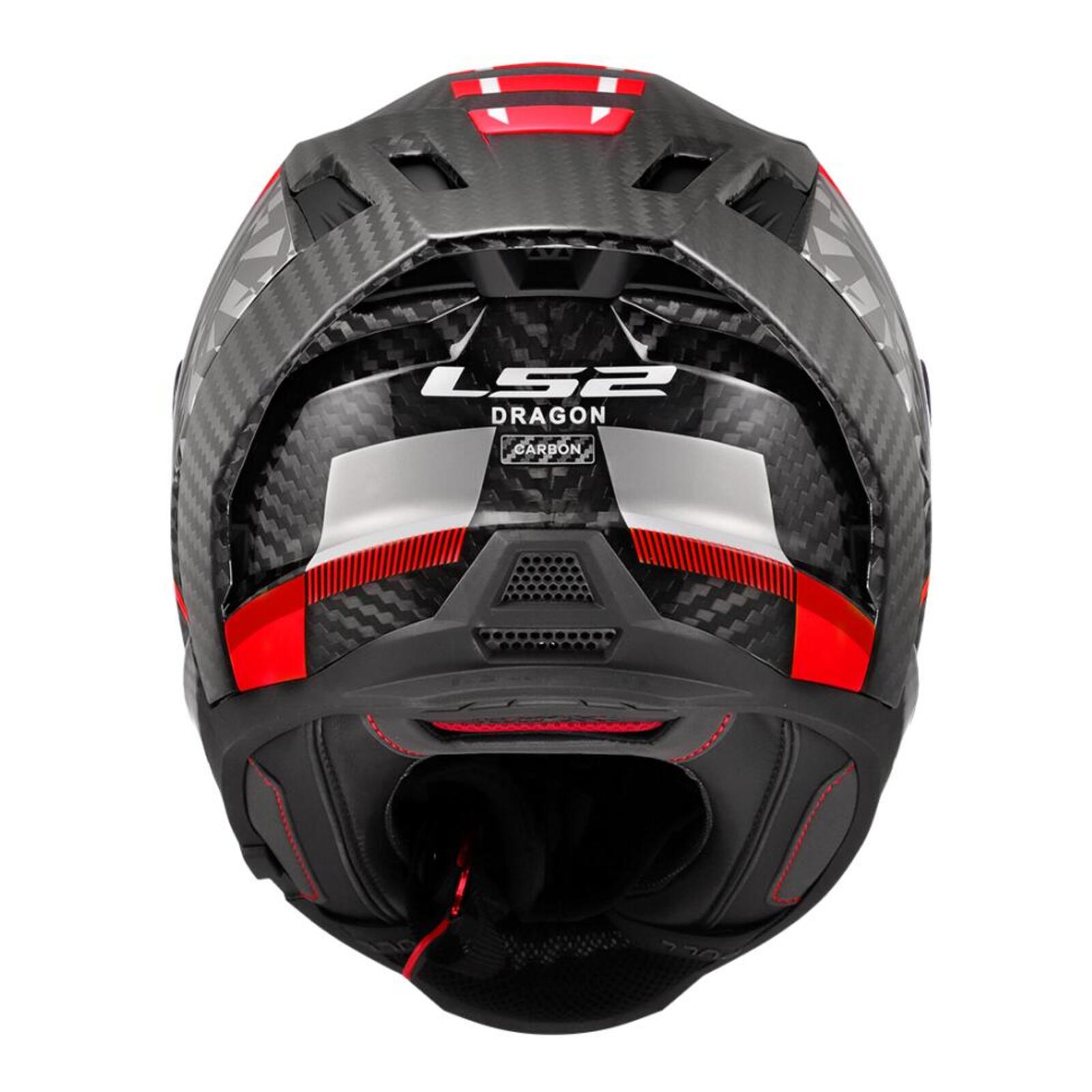
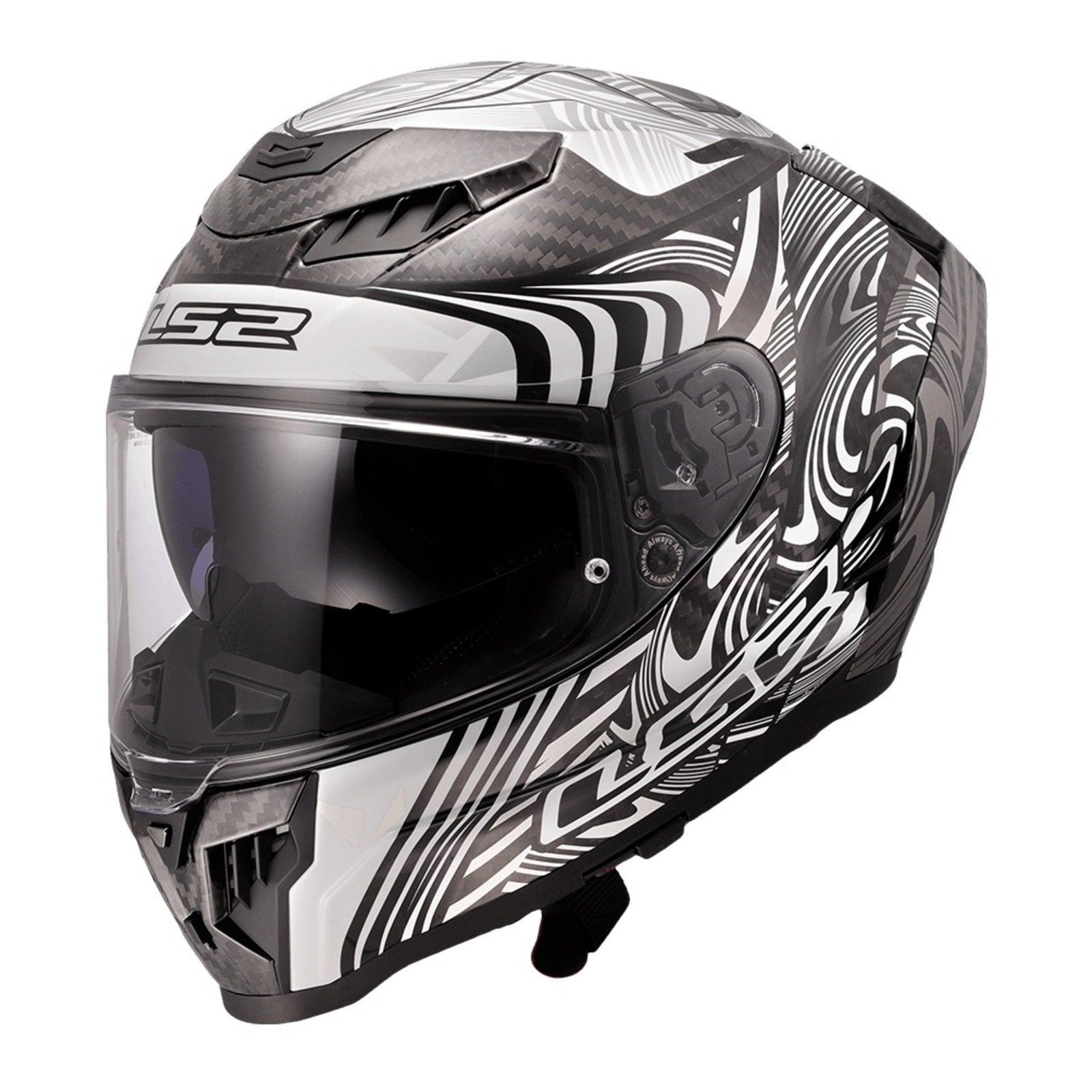
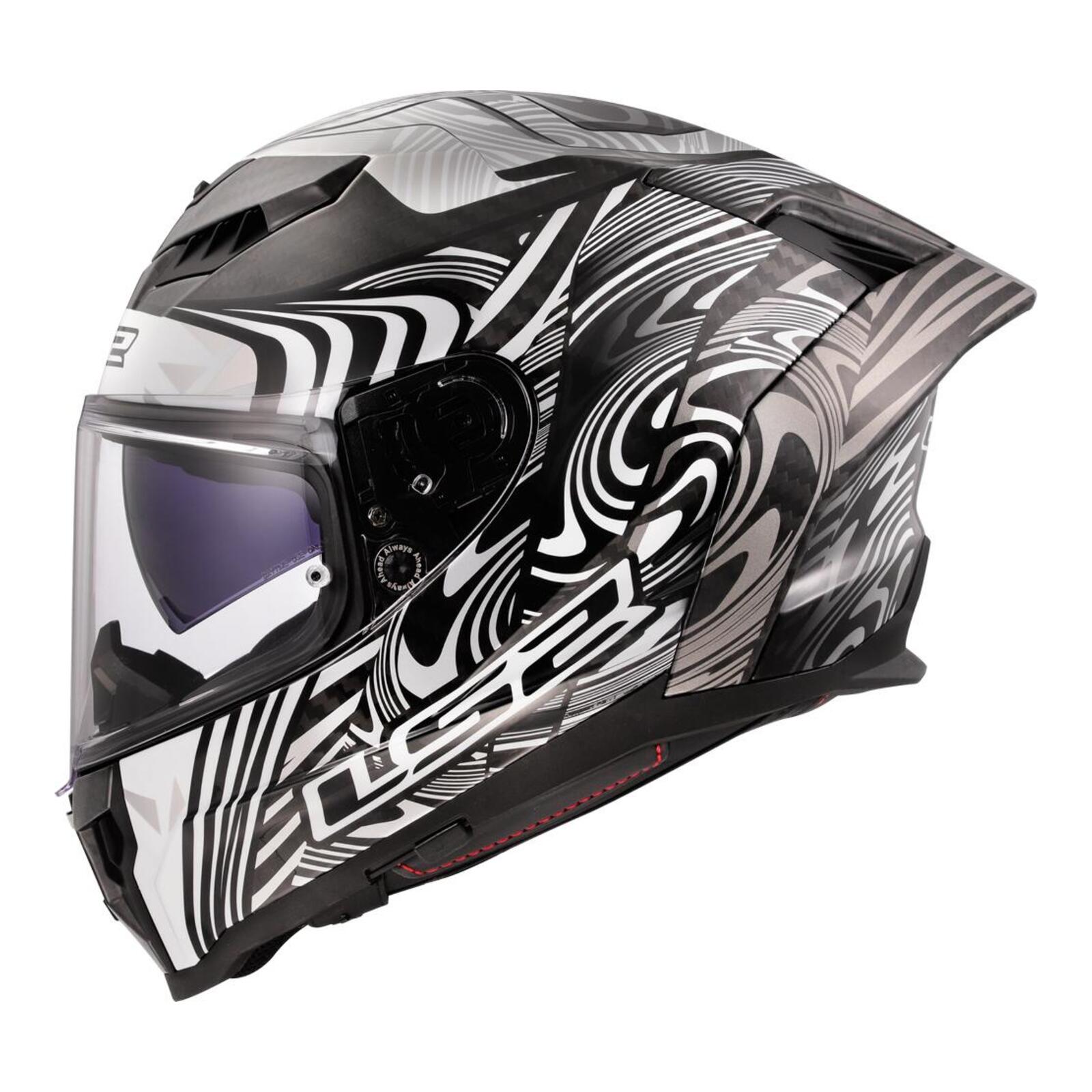
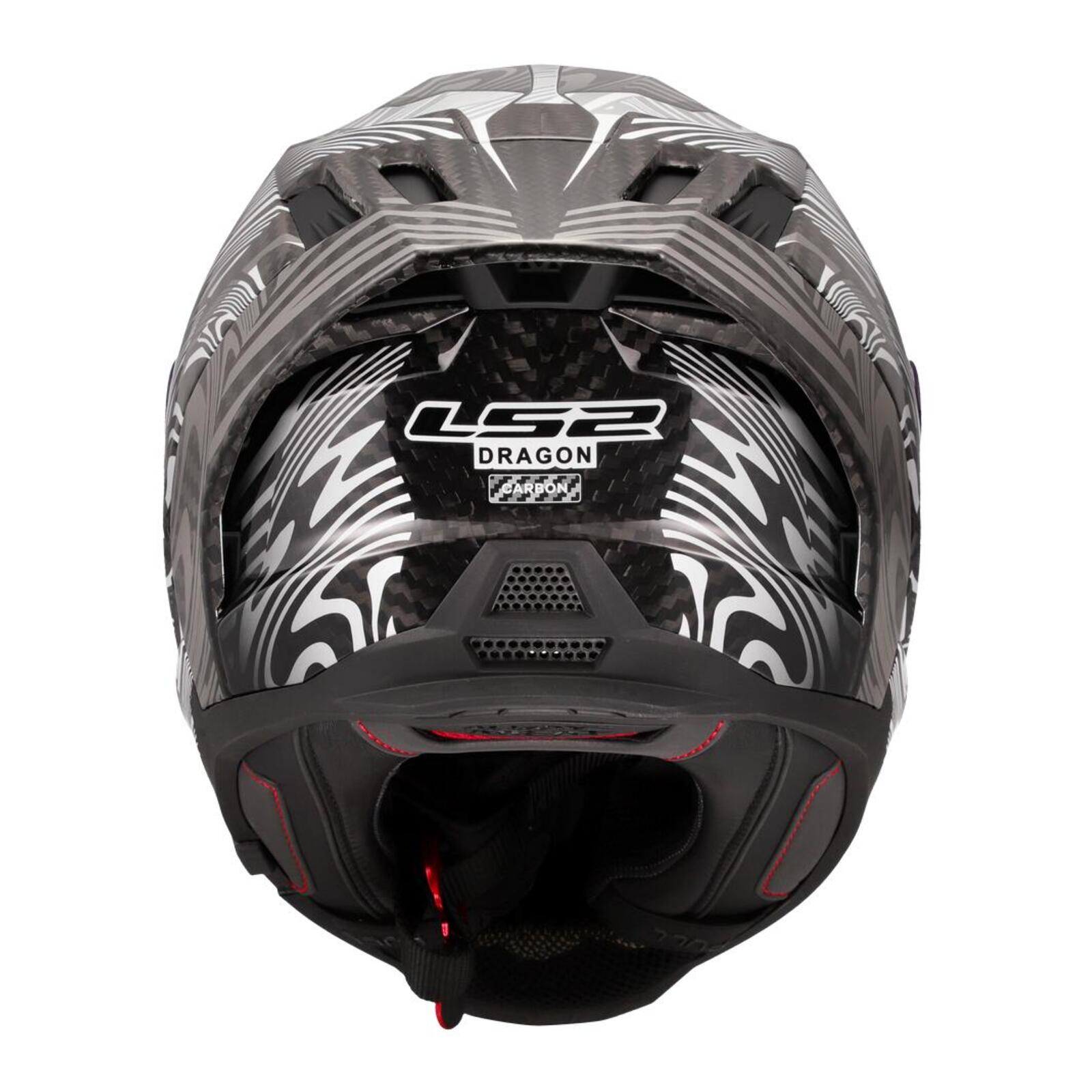
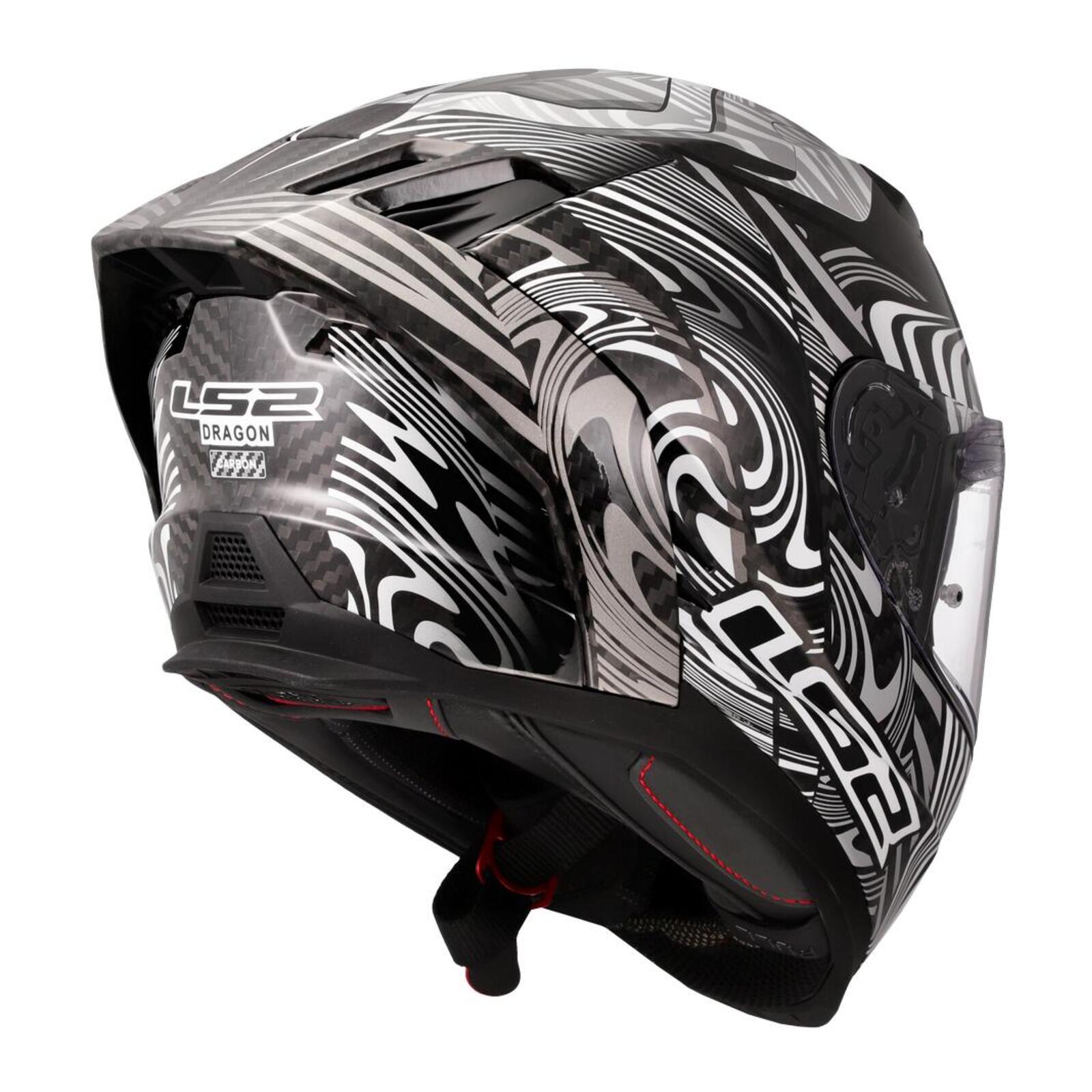
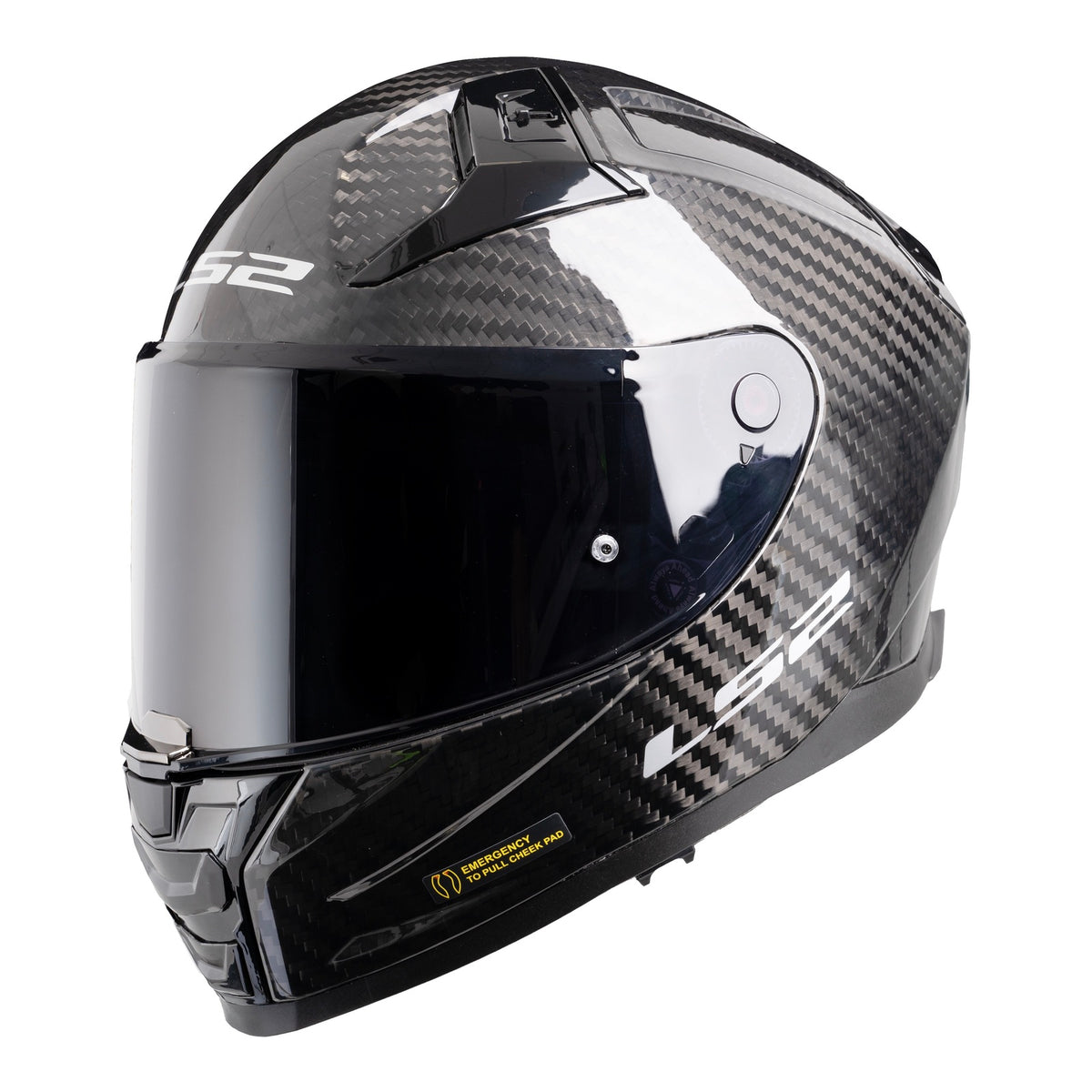
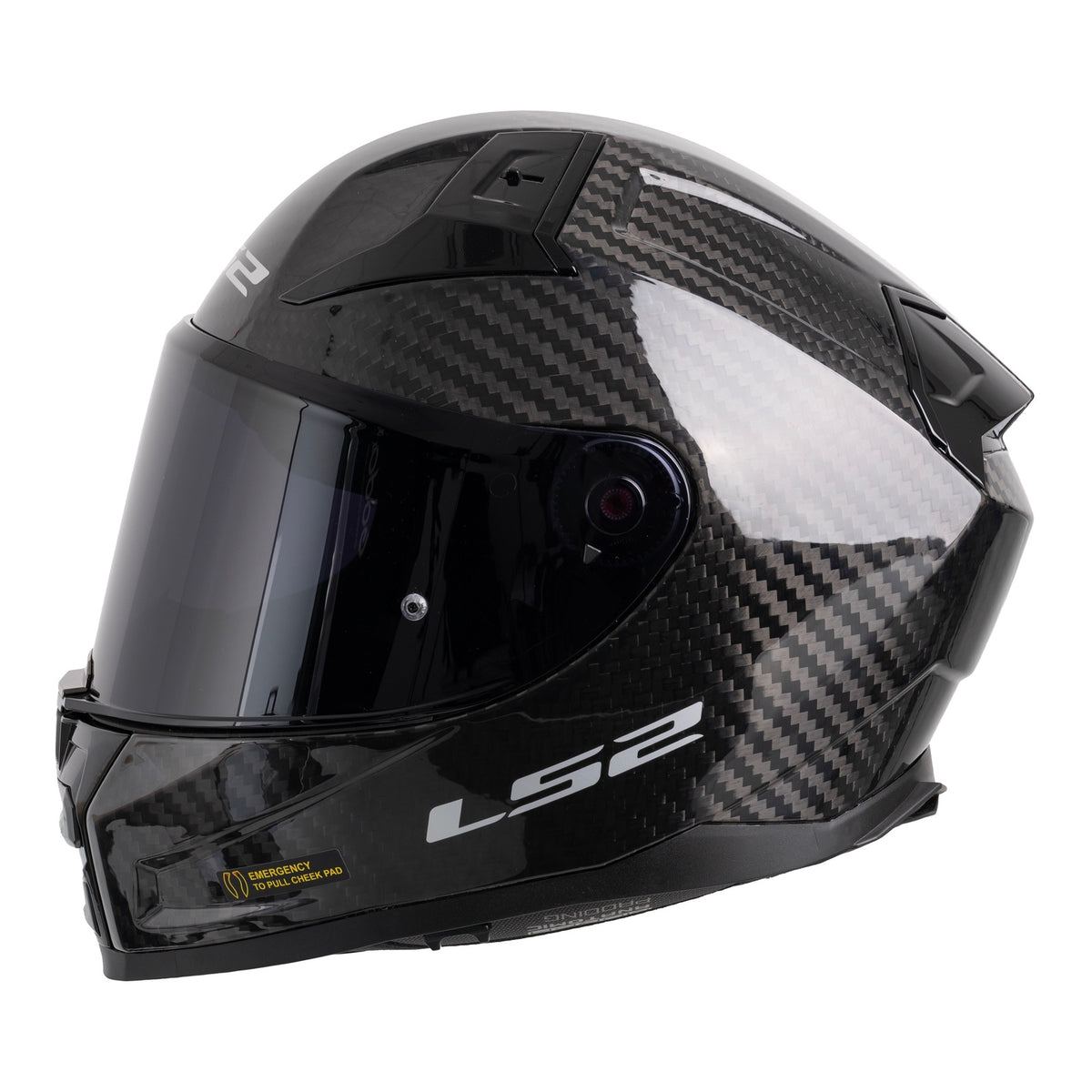
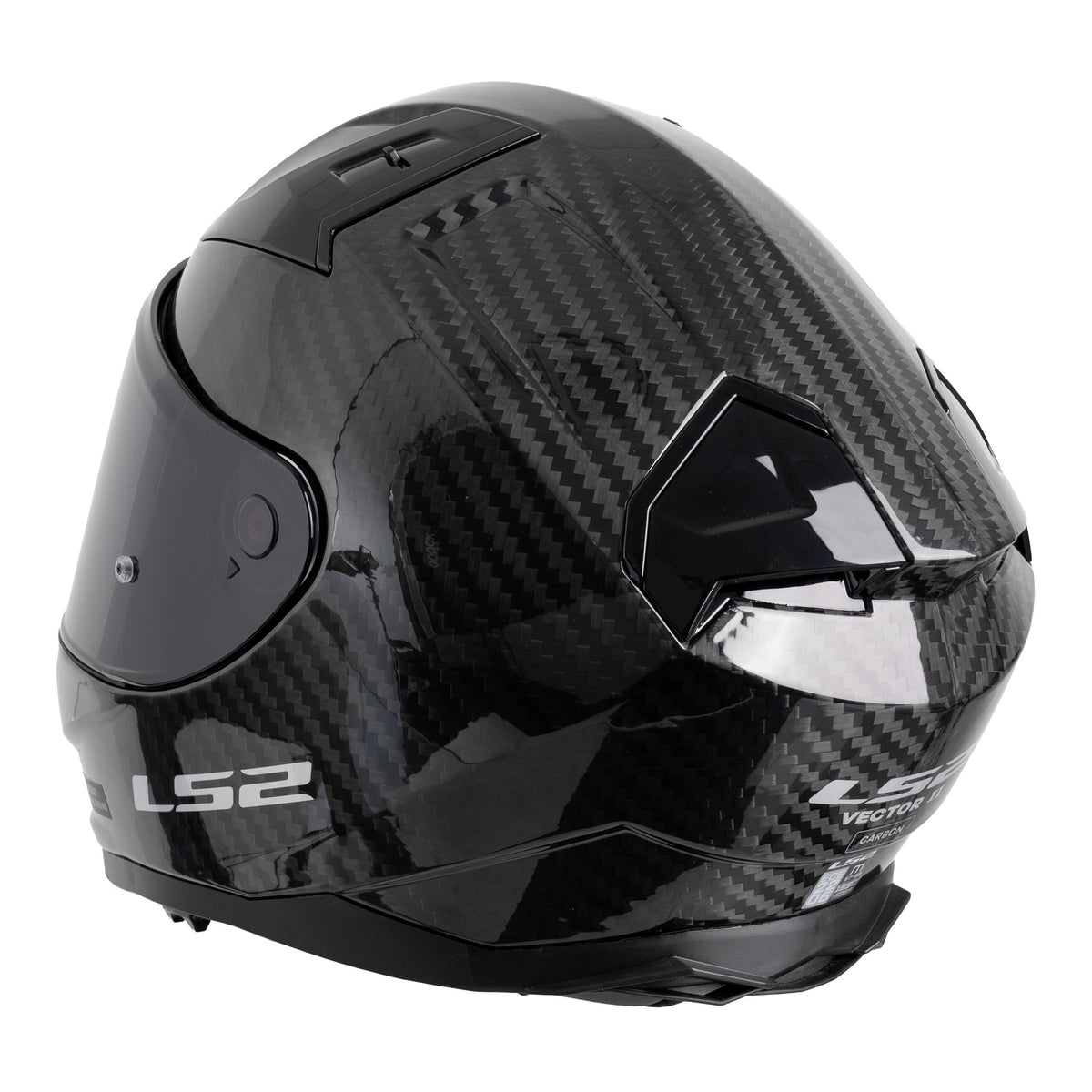
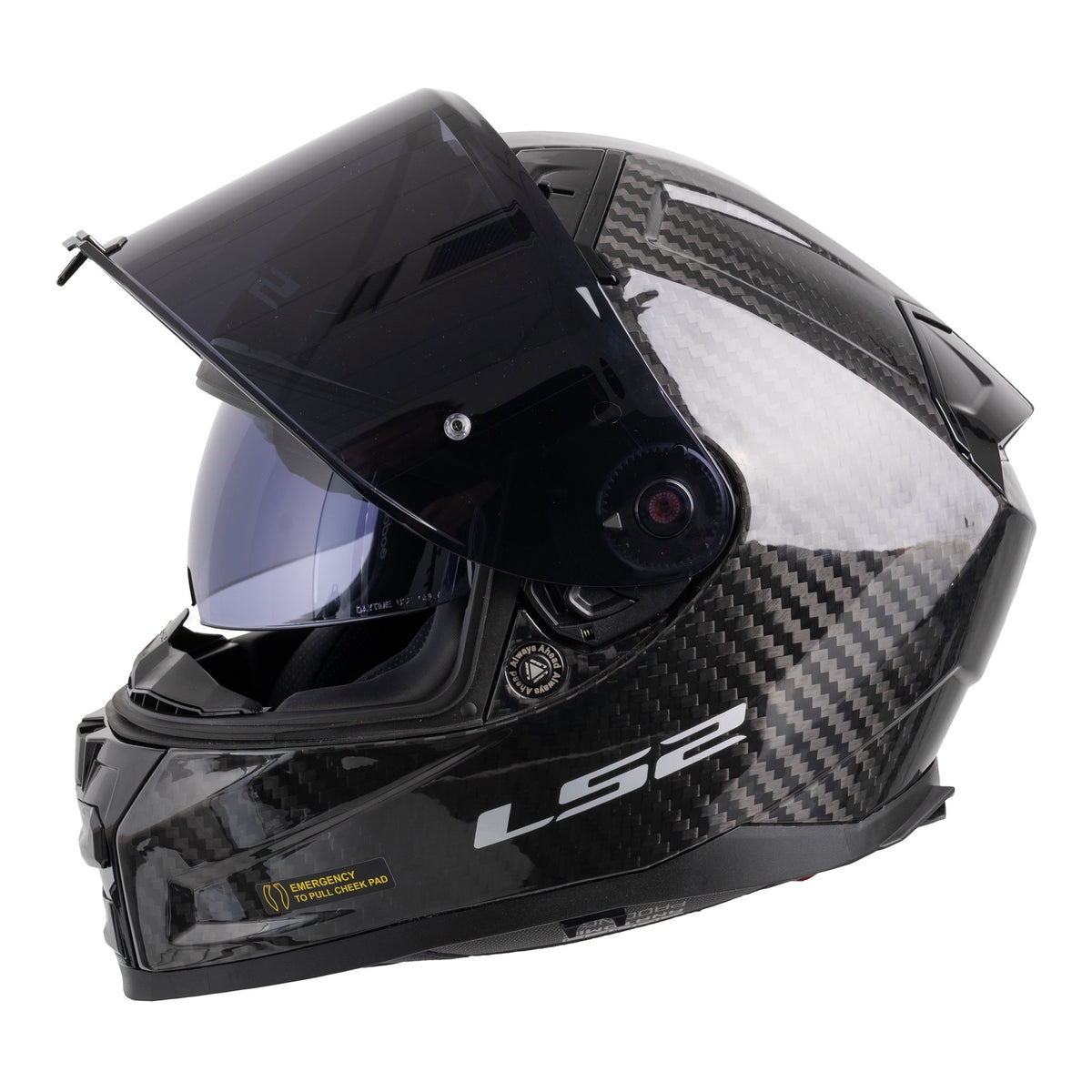
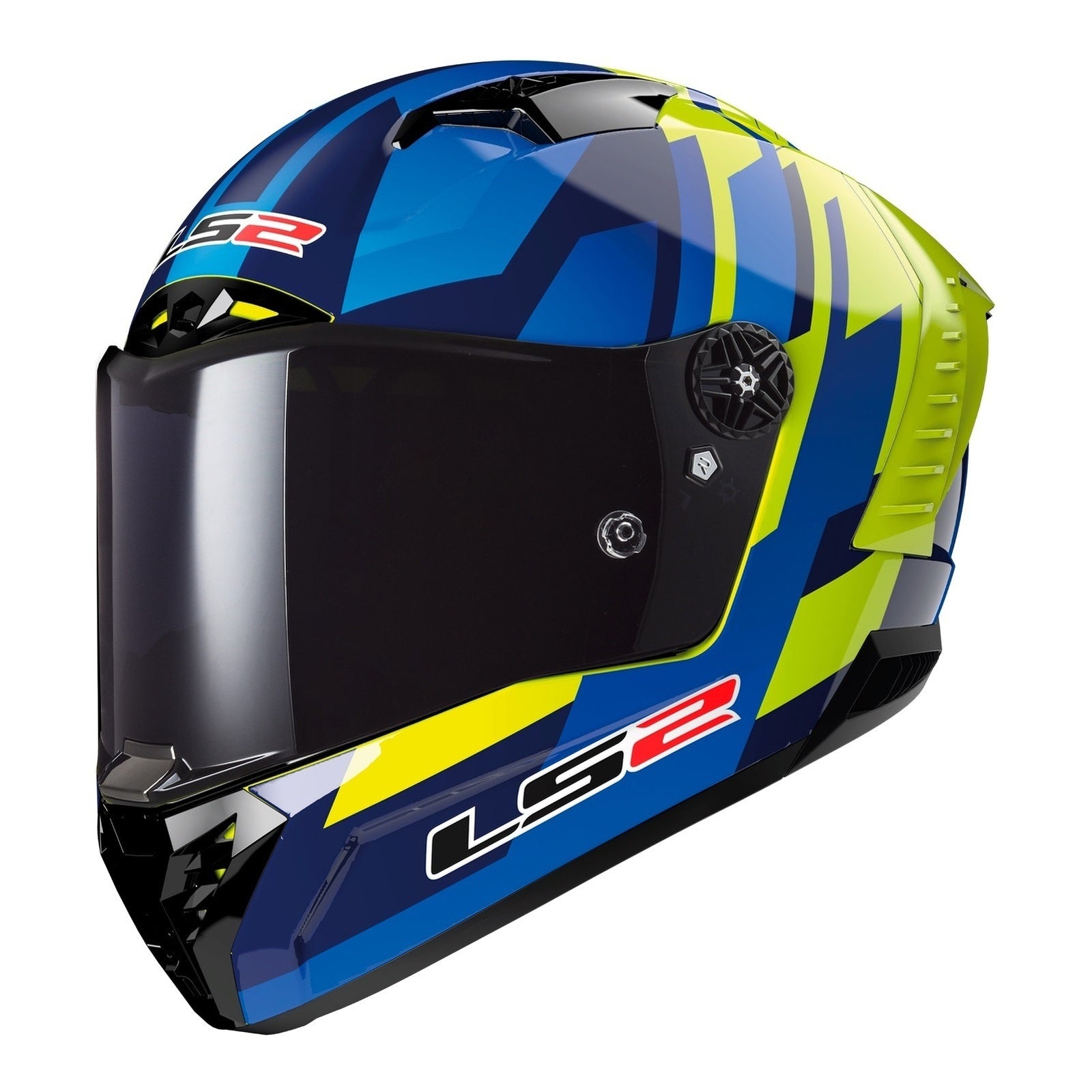
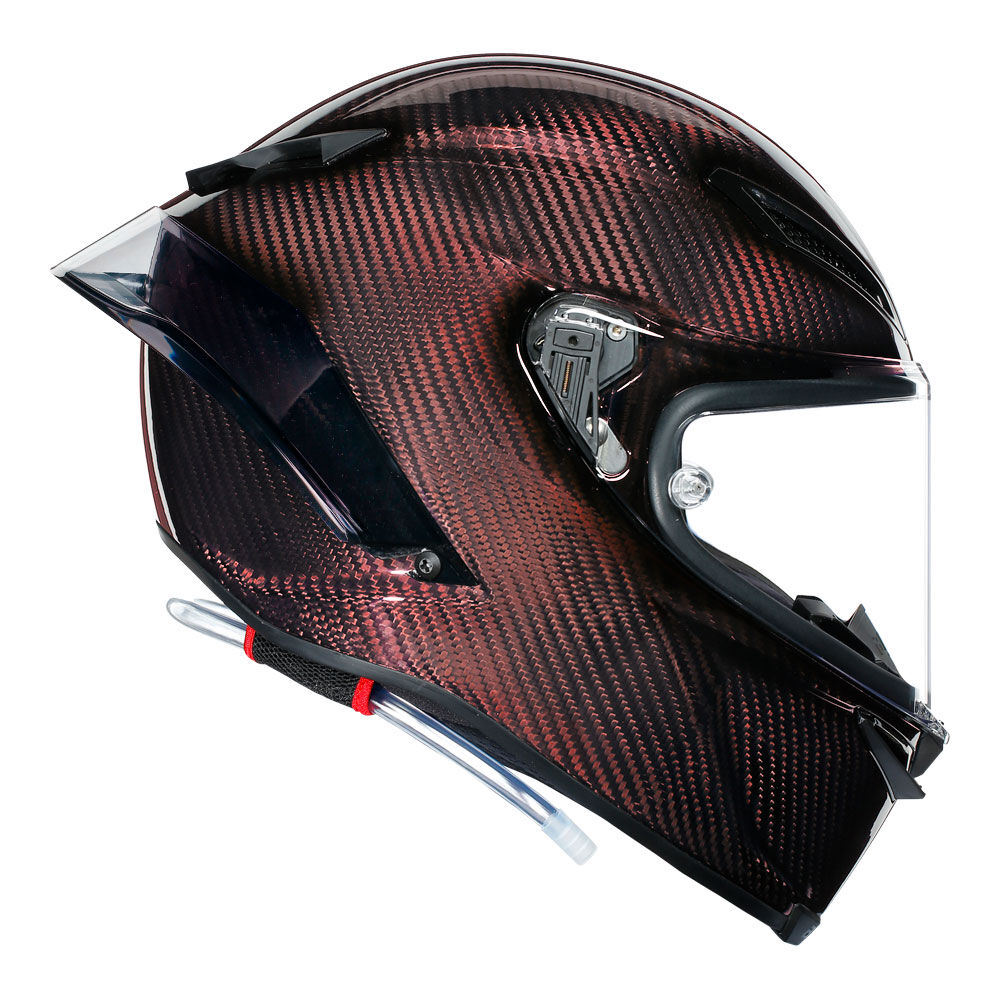
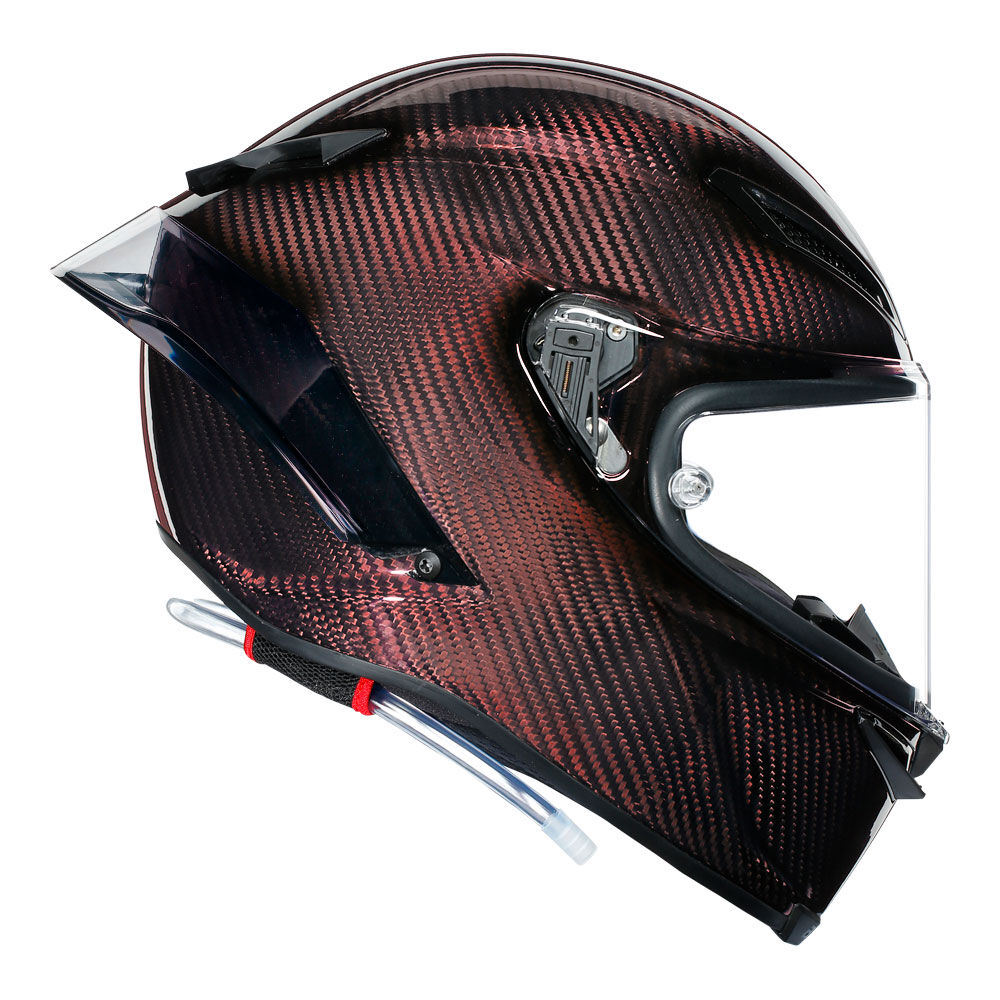
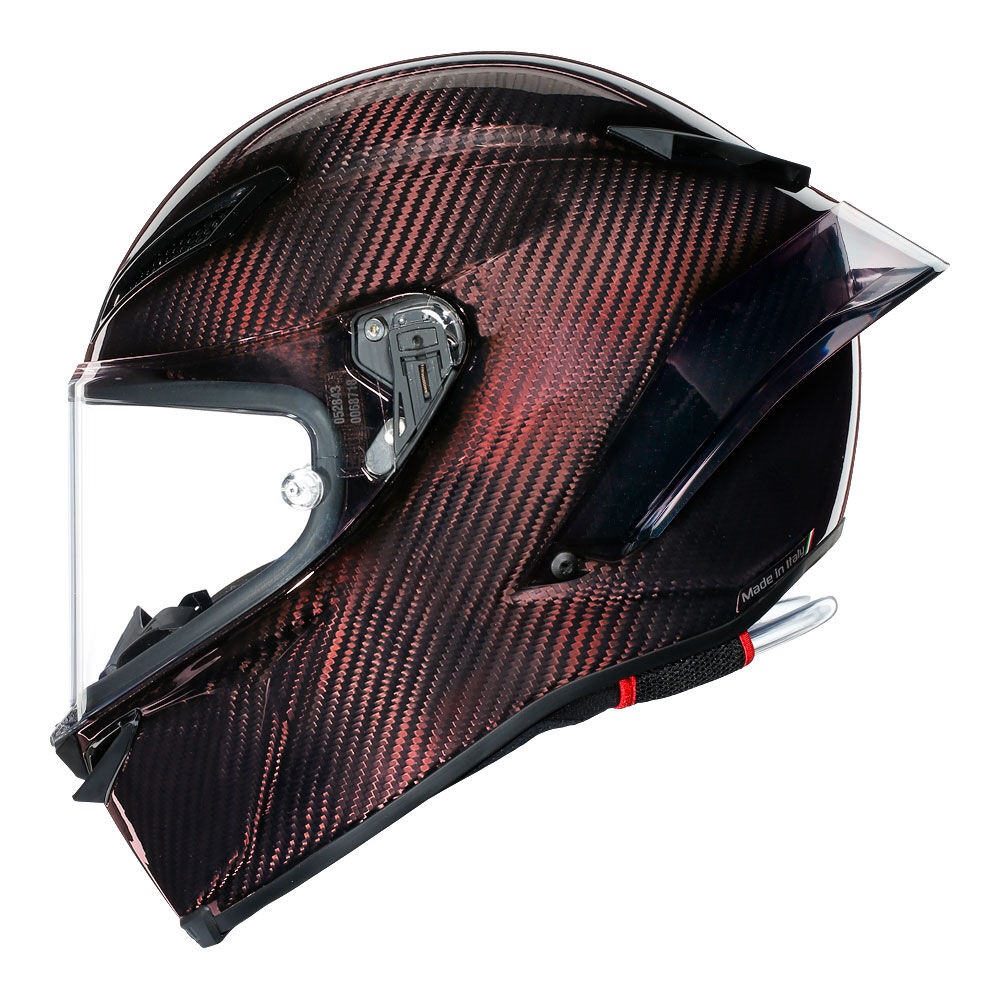
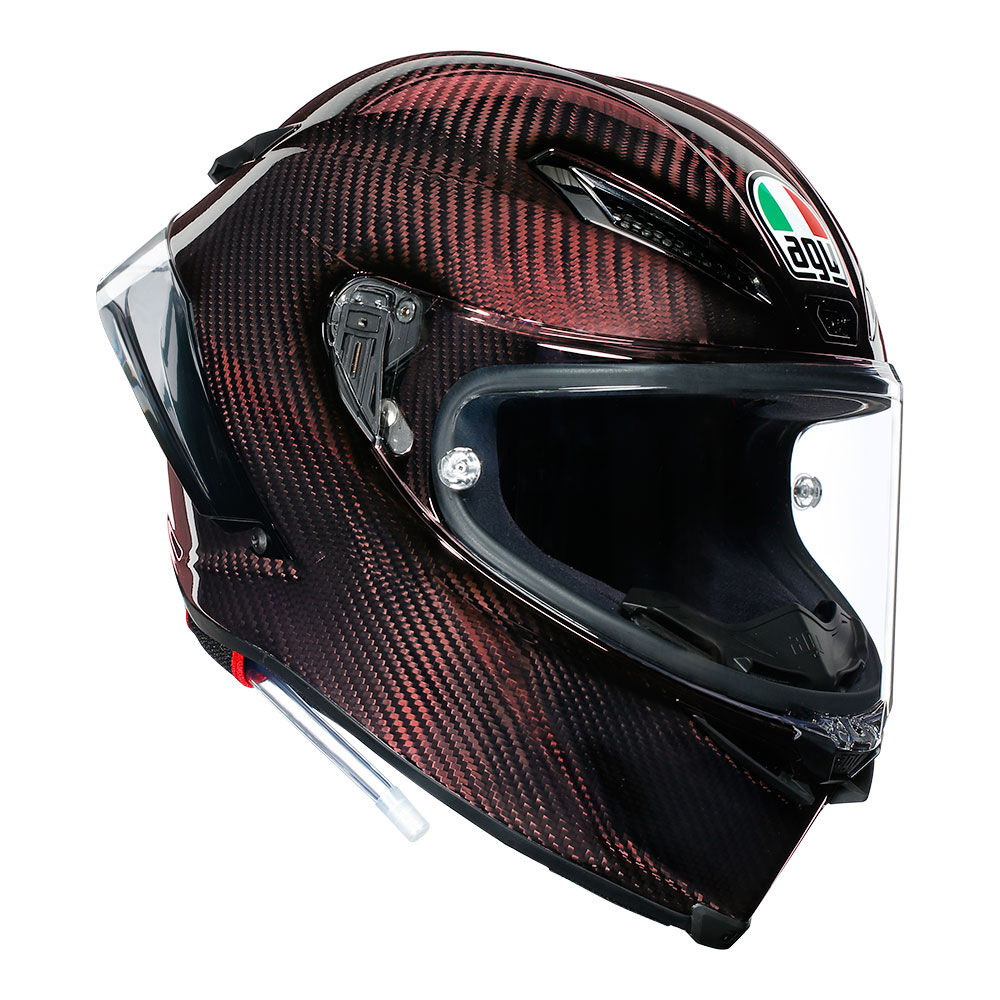
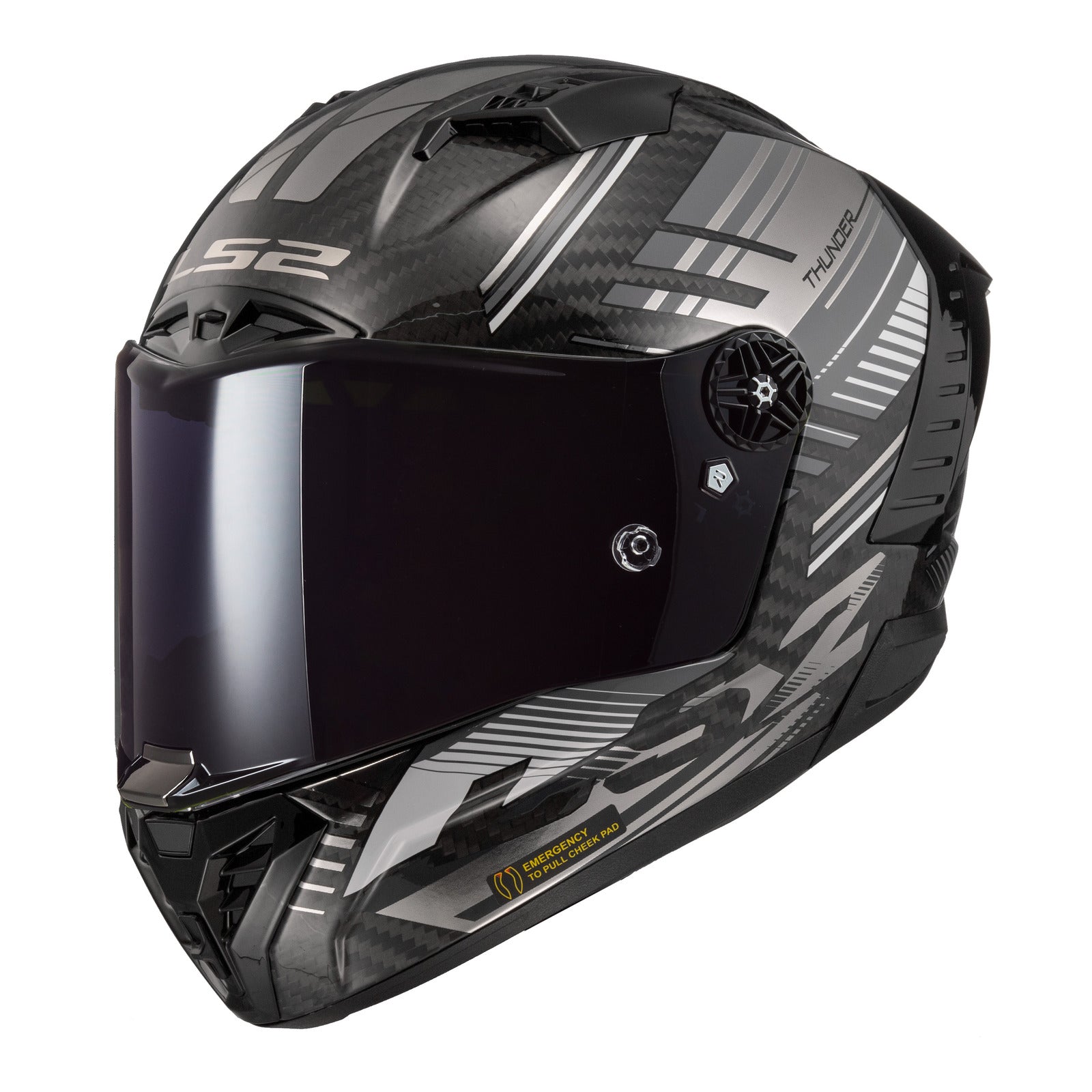
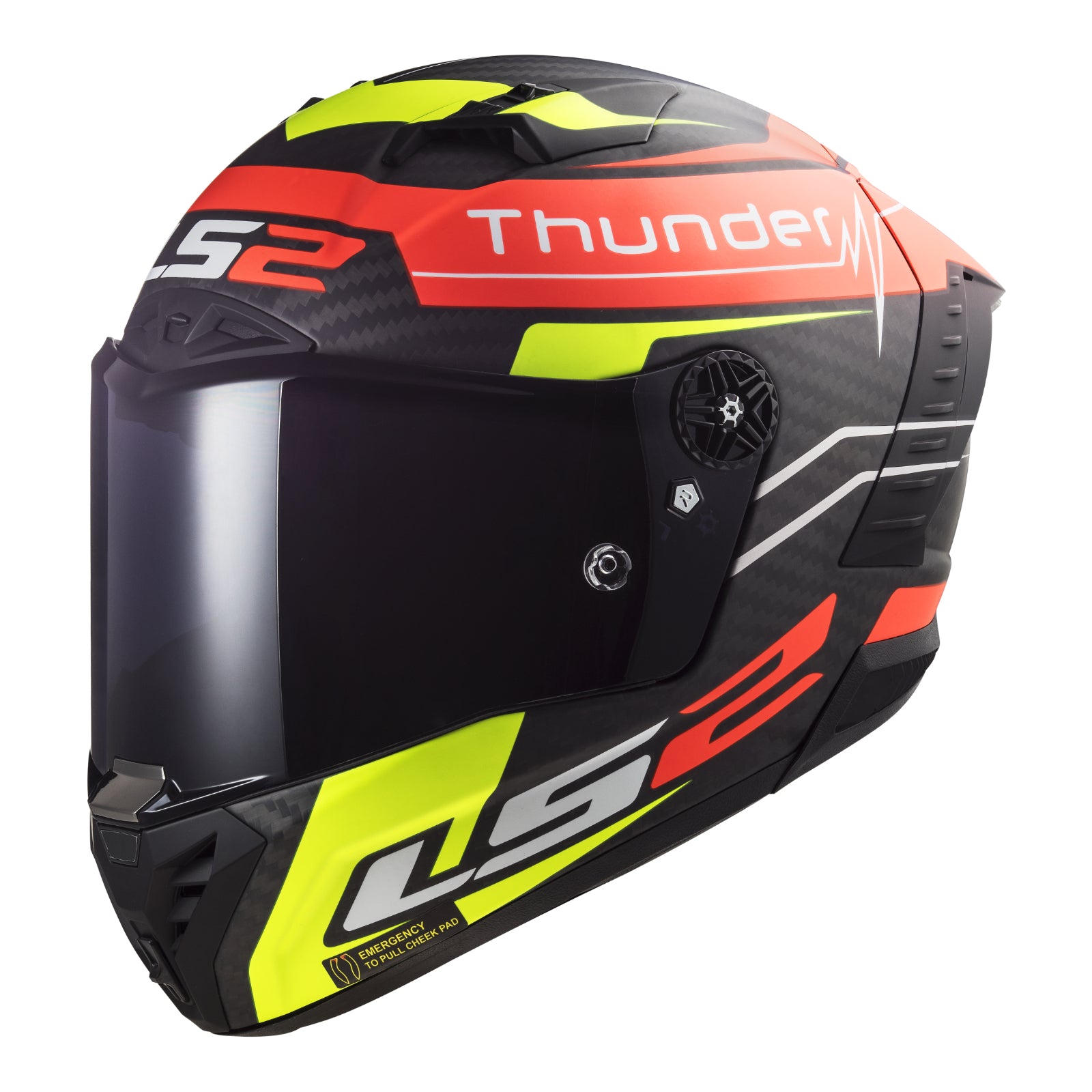
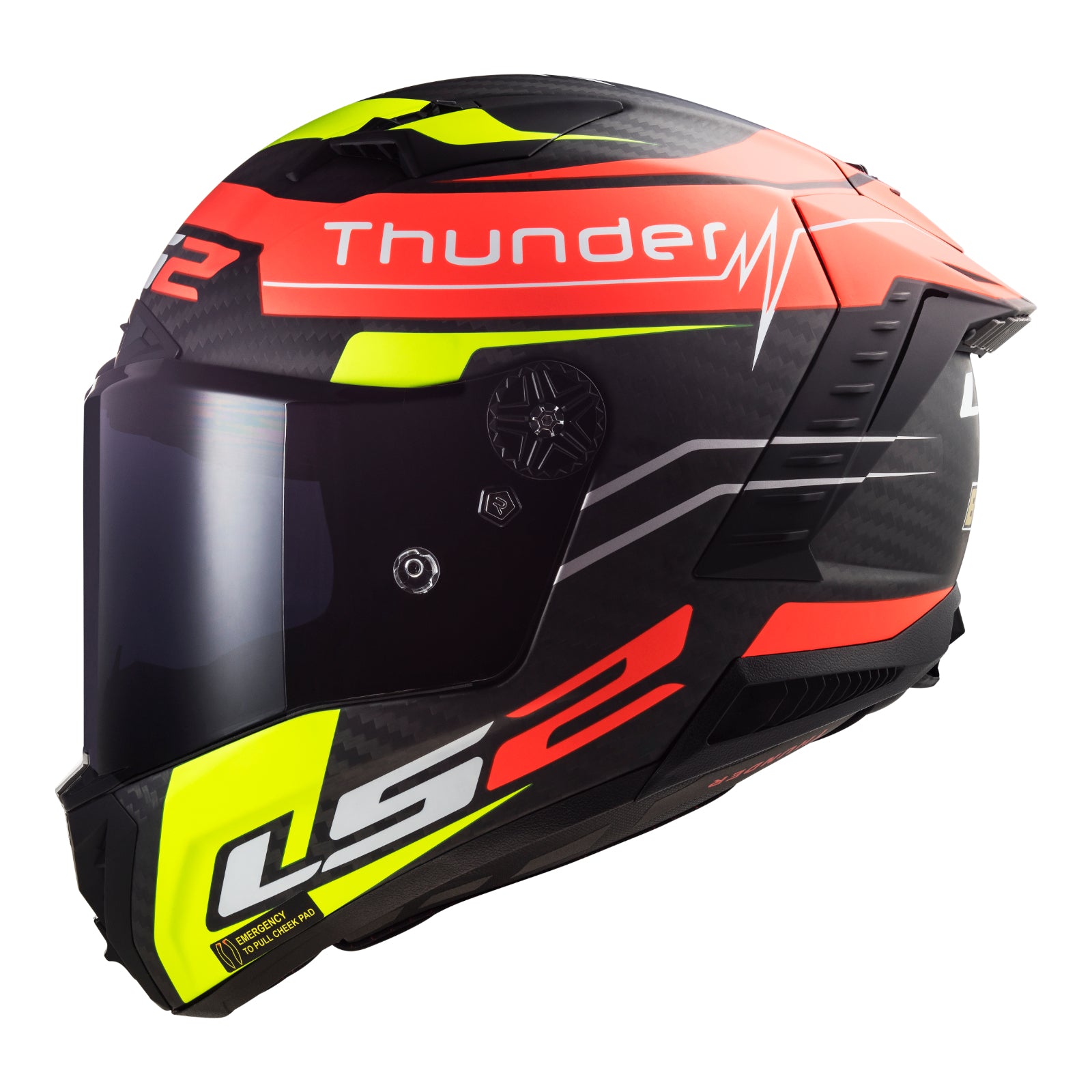
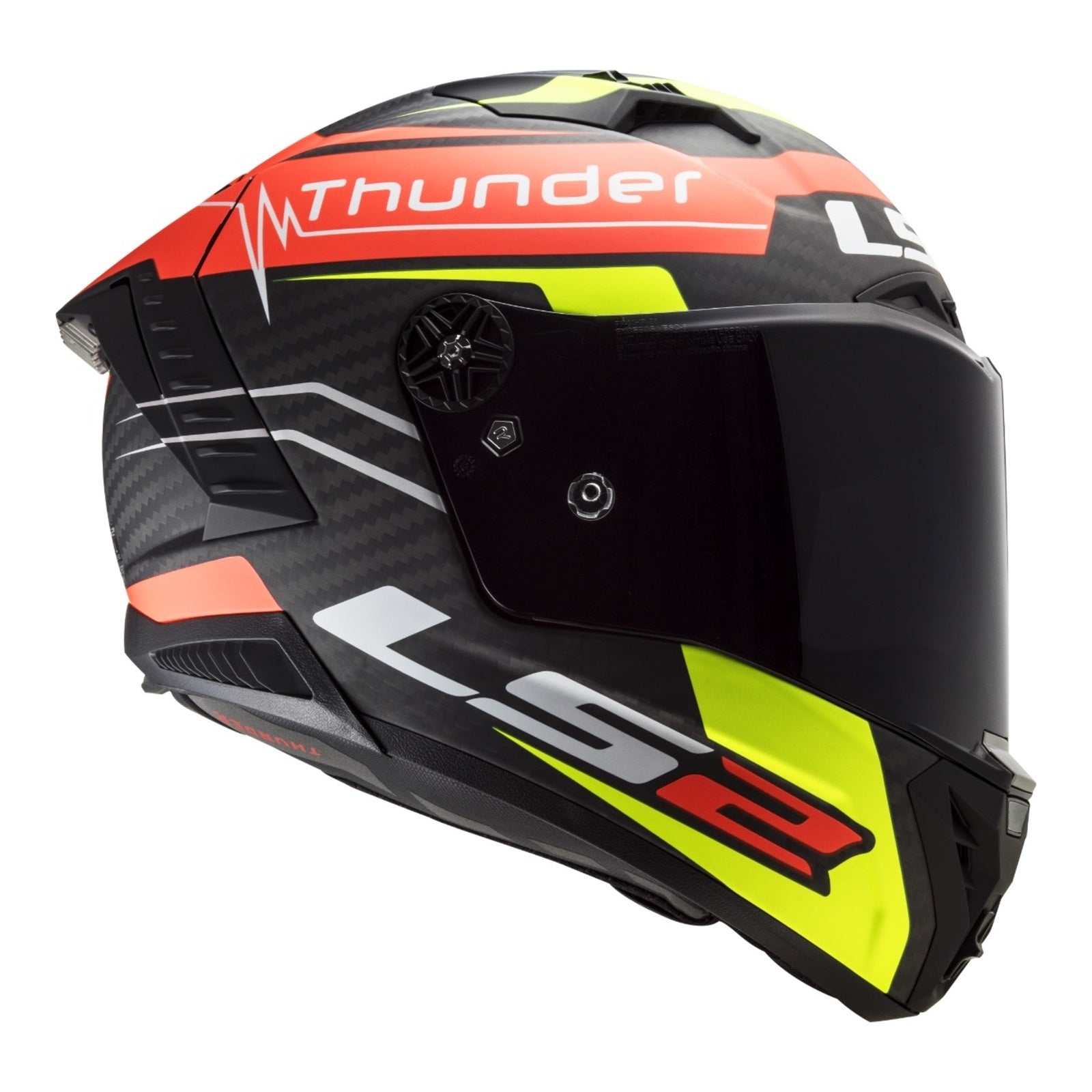
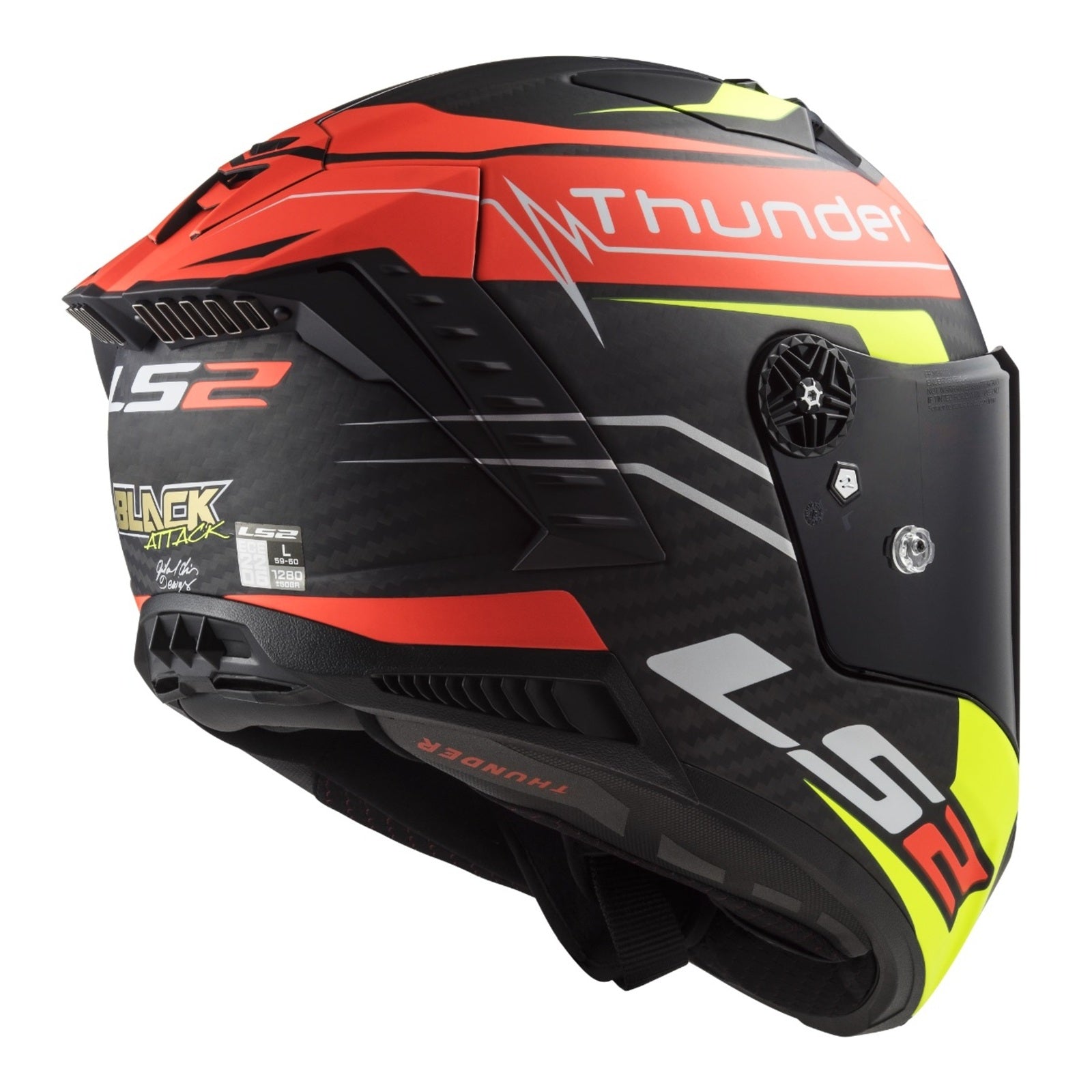
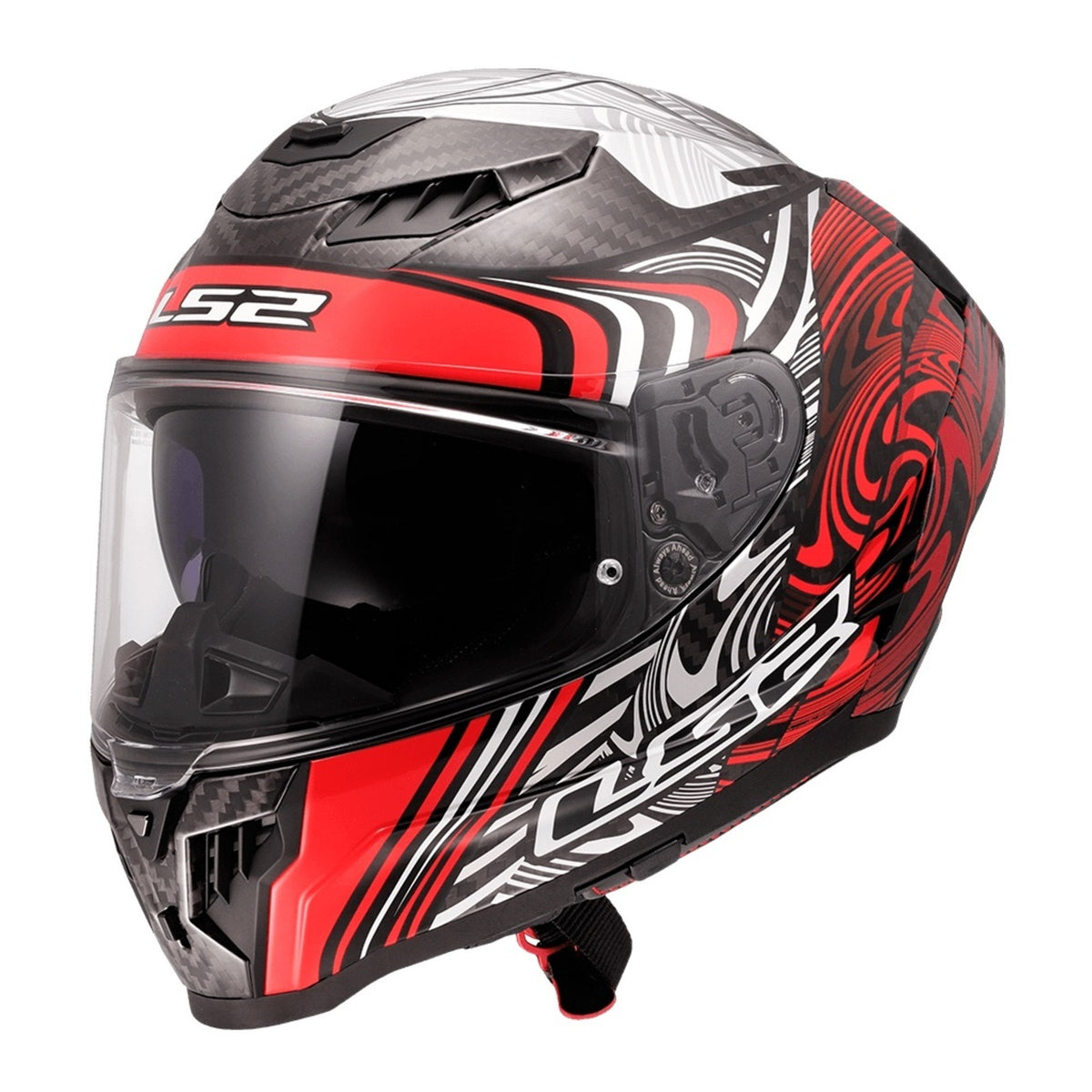
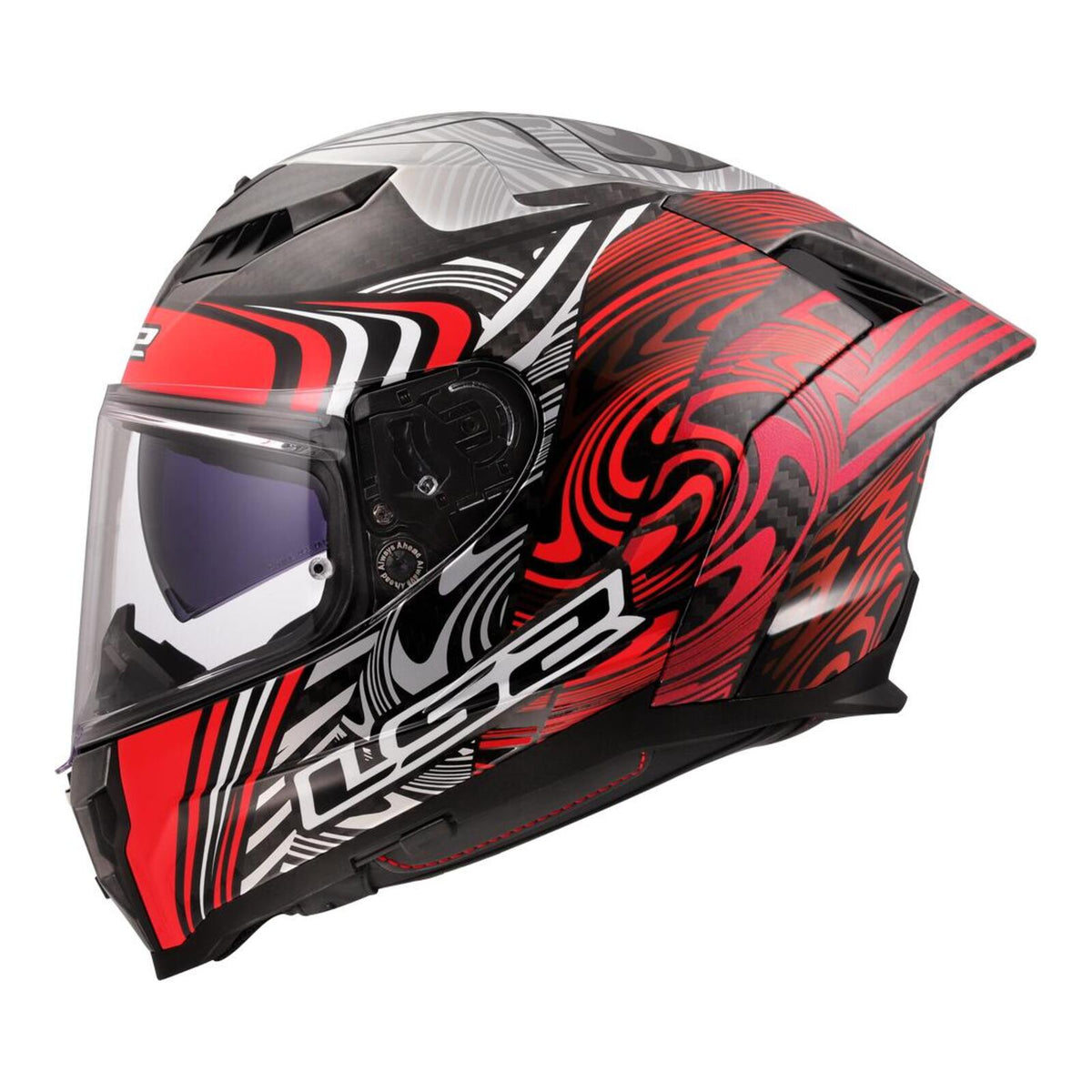
Shark stocks carbon lids across full-face, modular, adventure and off-road, from the LS2 FF805C Thunder Carbon at $749.99 RRP up to the AGV Pista GP RR in 100% carbon at $1,999. ECE 22.06 across the range. Pista GP RR is FIM-homologated for MotoGP-spec racing.

Shop by type: full face, modular, adventure, all helmets. Pair with track and race boots. Free shipping Australia-wide over $200 from our Gold Coast warehouse.

When a carbon lid is worth the money (and when it isn't)

Carbon fibre helmets run 2 to 4 times the price of a good polycarbonate lid. Most of that premium is shell material and manufacturing tolerance, not rotational protection. So the question isn't "is carbon safer." It's "am I the rider who feels the weight saving."

Here's the honest tier breakdown.

Daily commuter, 15km each way, city speeds. Polycarbonate is fine. The 250 grams you save with a carbon shell doesn't pay for itself on a 20-minute commute. A quality $250 to $400 poly lid protects your head on the same ECE 22.06 standard. Save the $500 to $1,200 delta for gloves, boots and an advanced riding course.

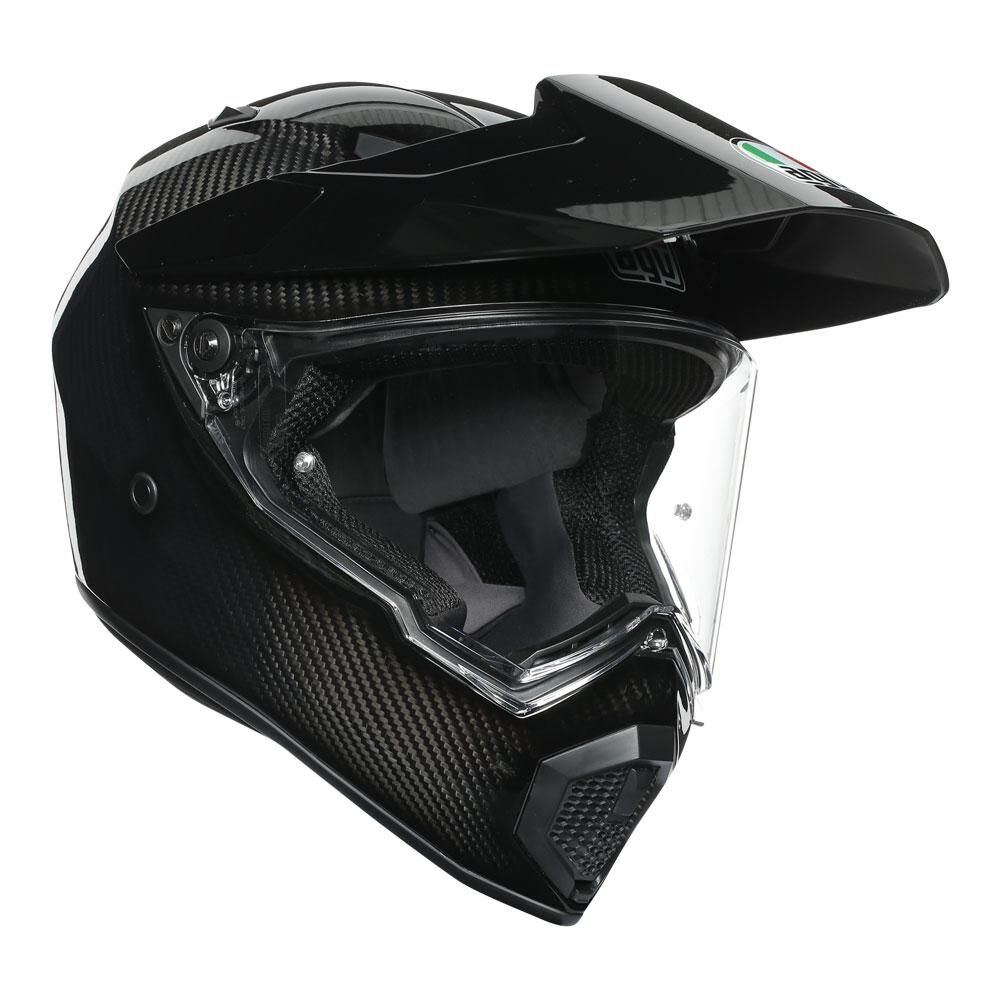
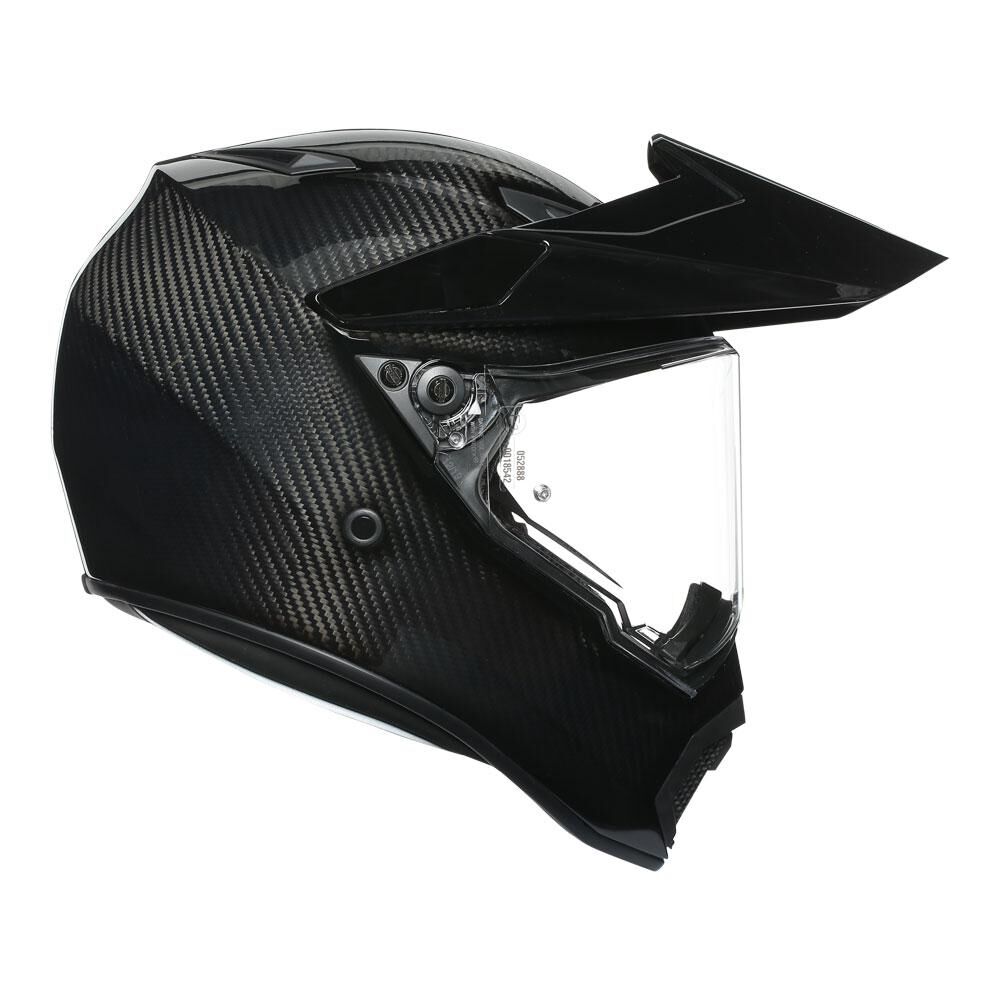
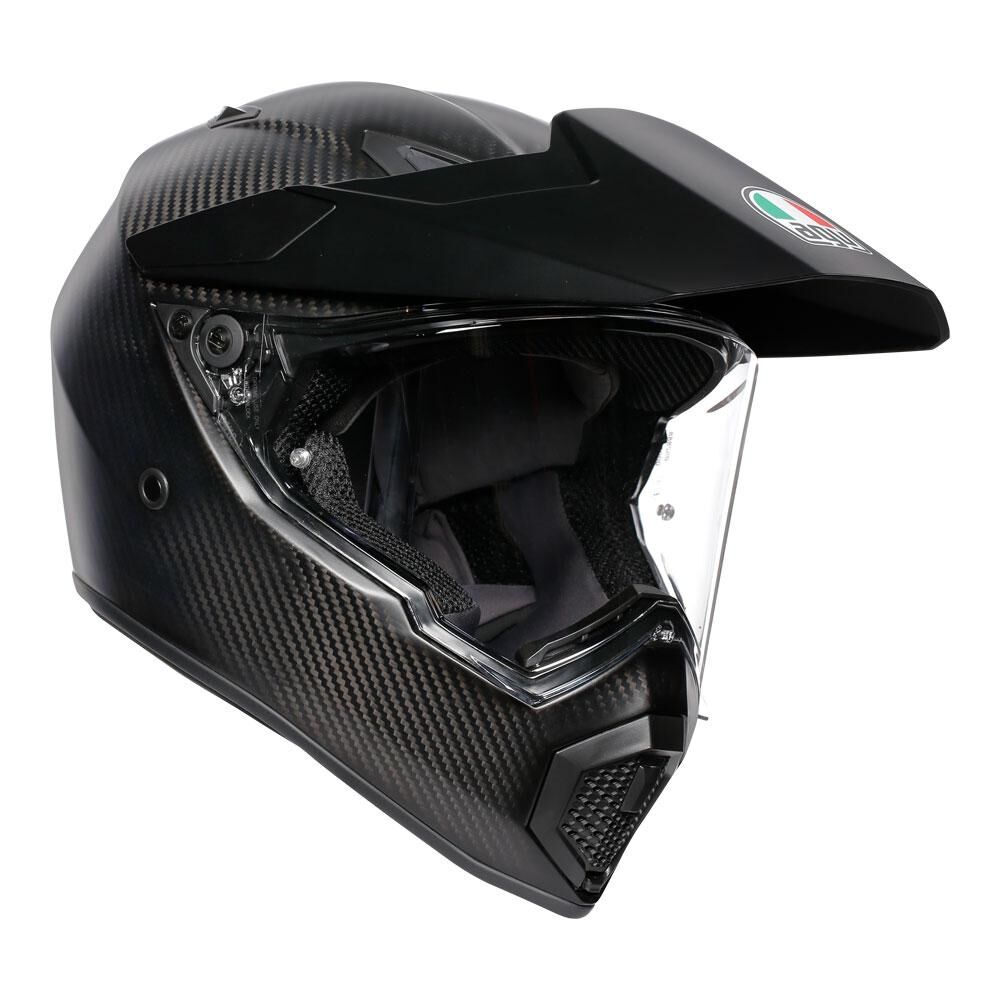
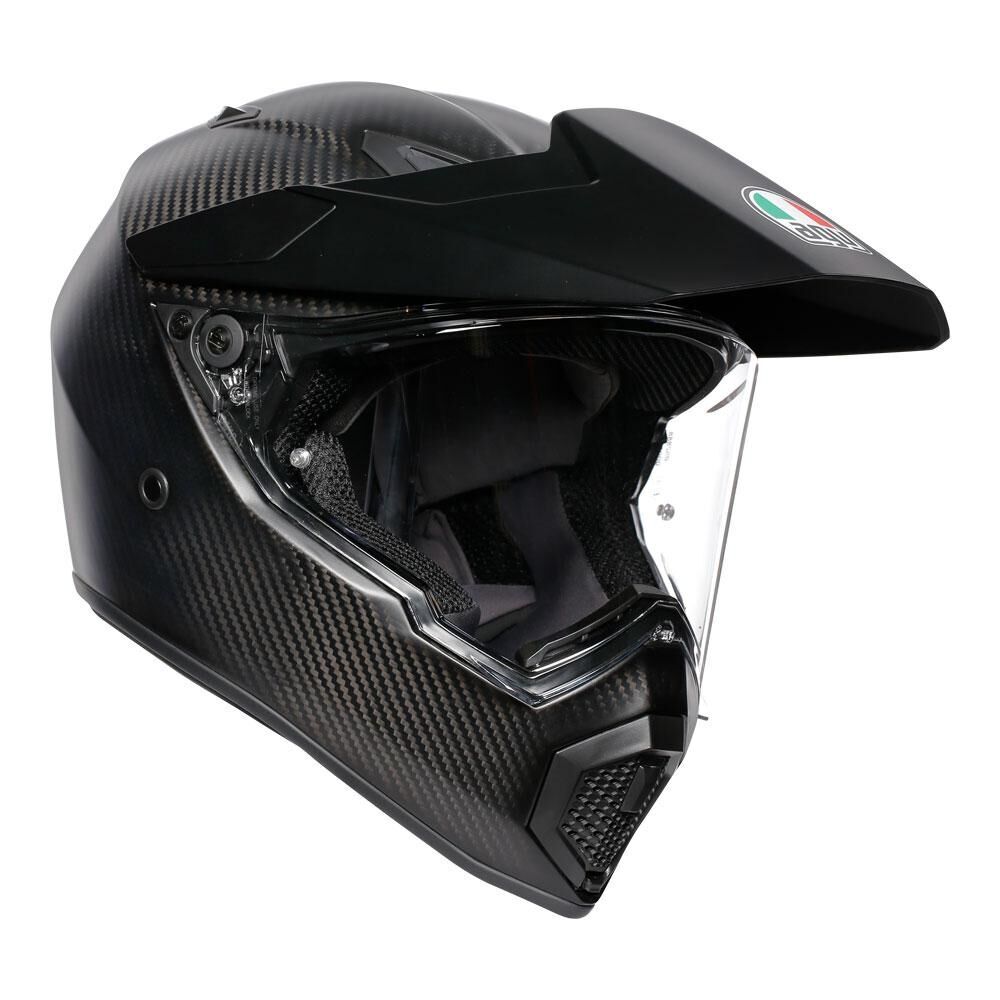
Weekend rider, twisties and coast runs. Now carbon starts earning its spot. On a 4-hour run through the Old Pac or the Oxley, a 1,290g AGV AX-9 Matt Carbon at $799 versus a 1,550g poly touring lid is the difference between fresh and fatigued at the coffee stop. Sportmodular at $999 if you want the flip-up on the same weight budget.

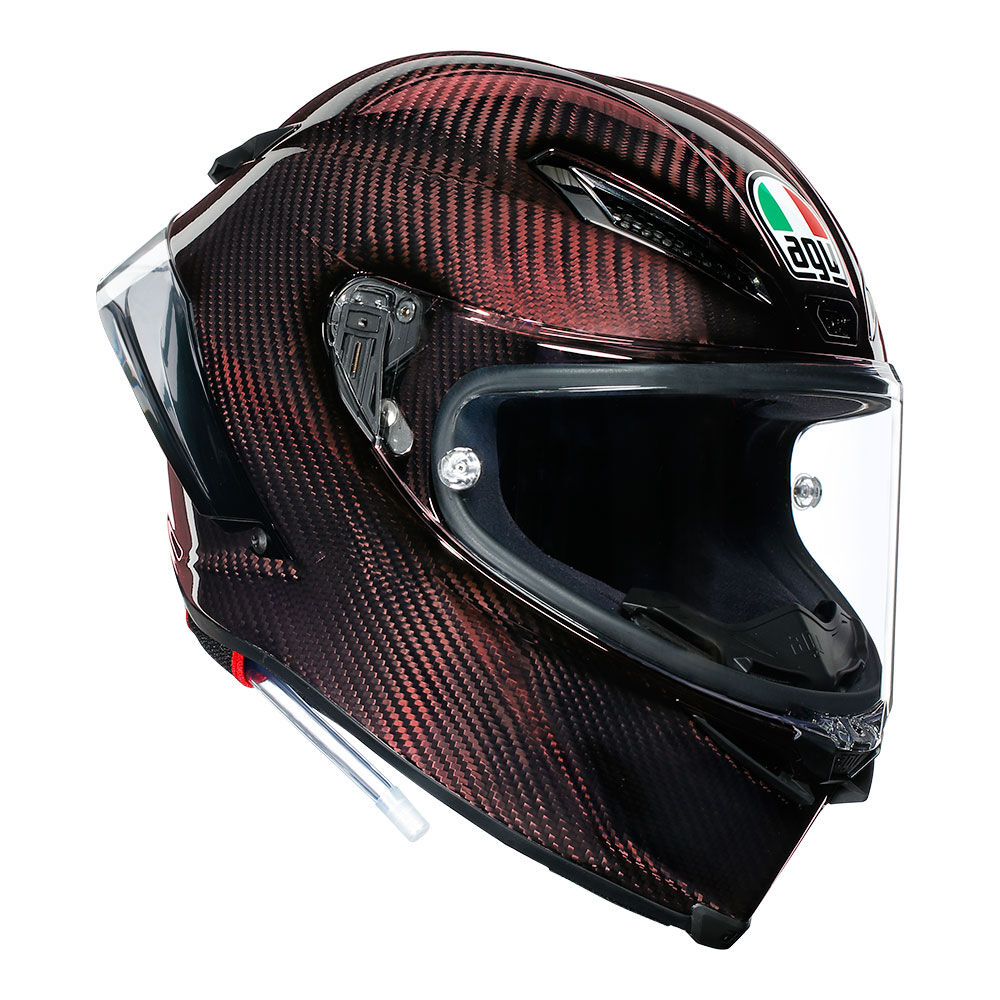
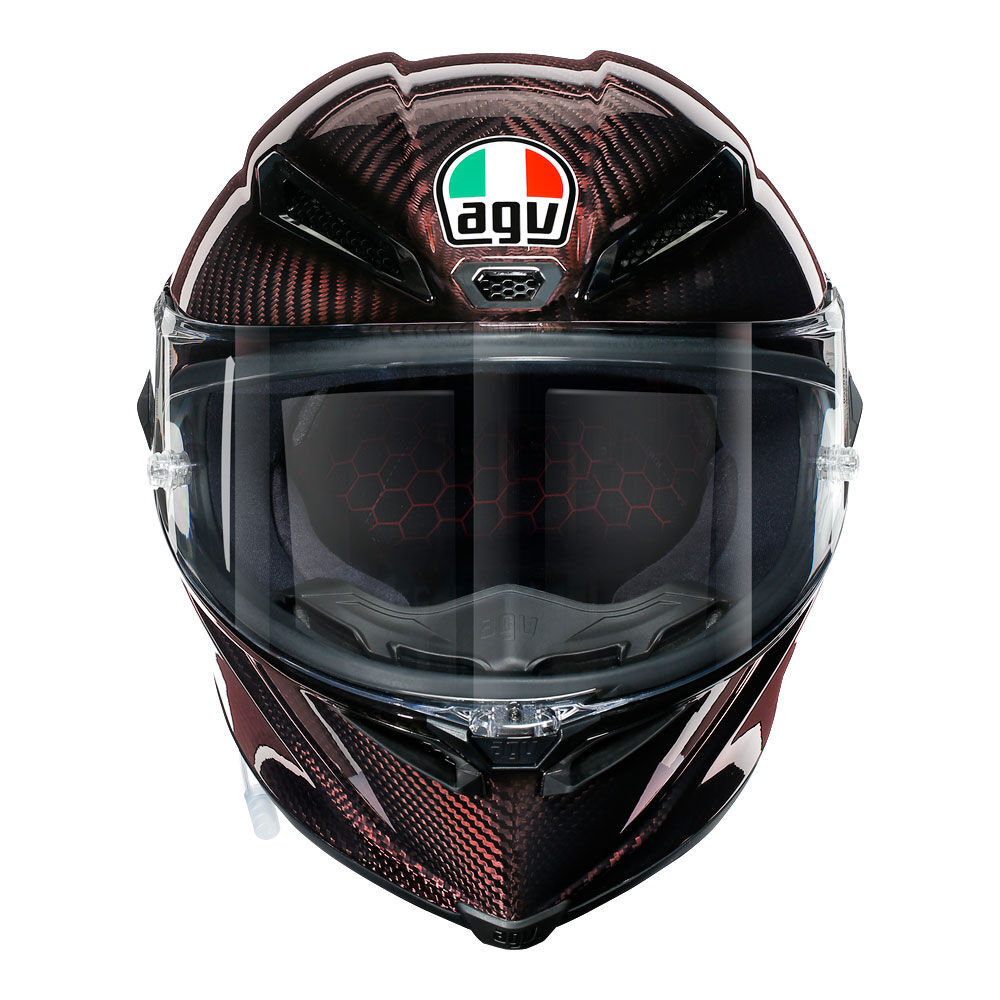
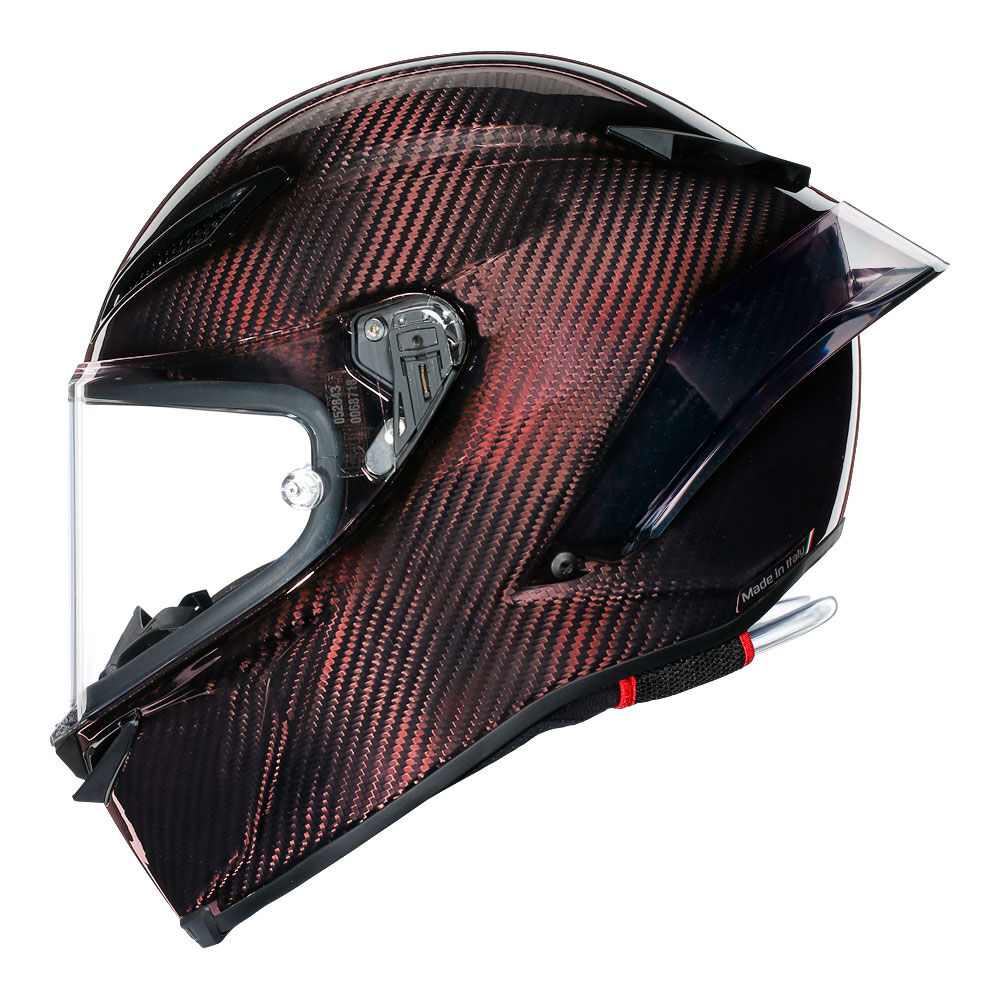
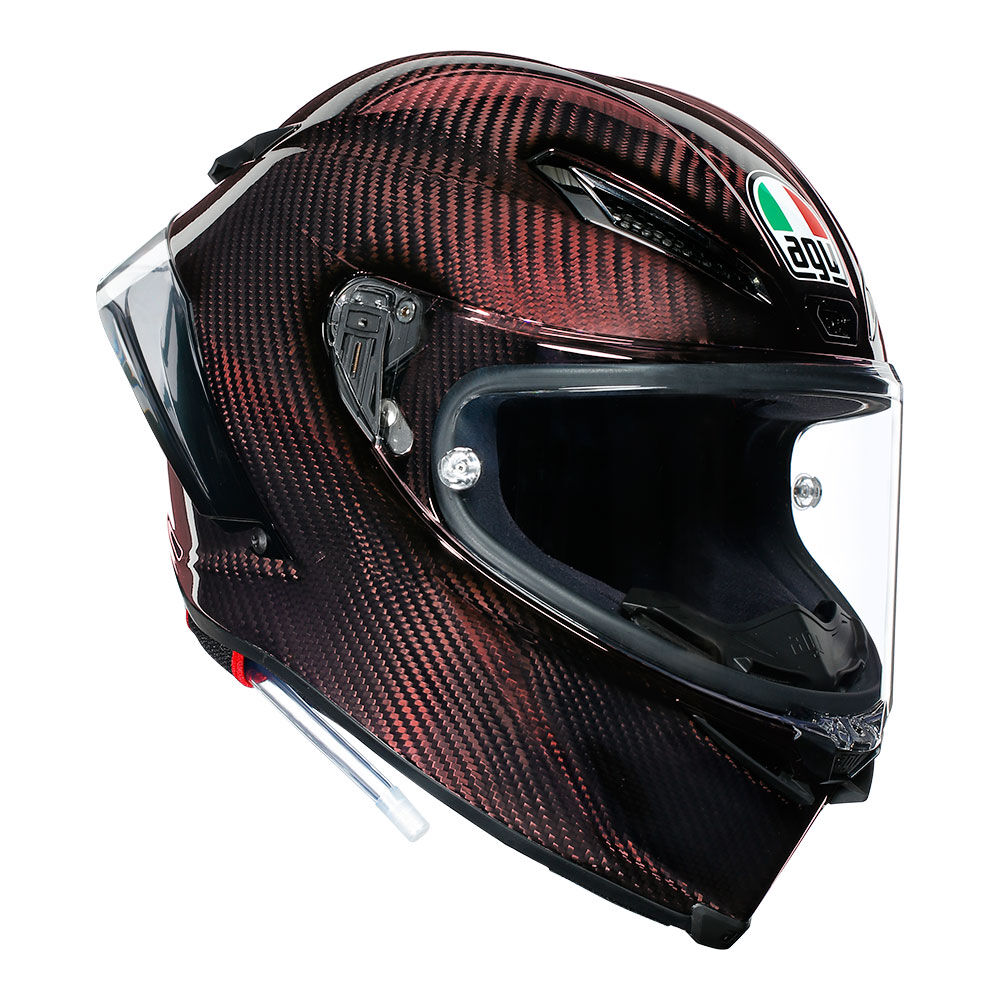
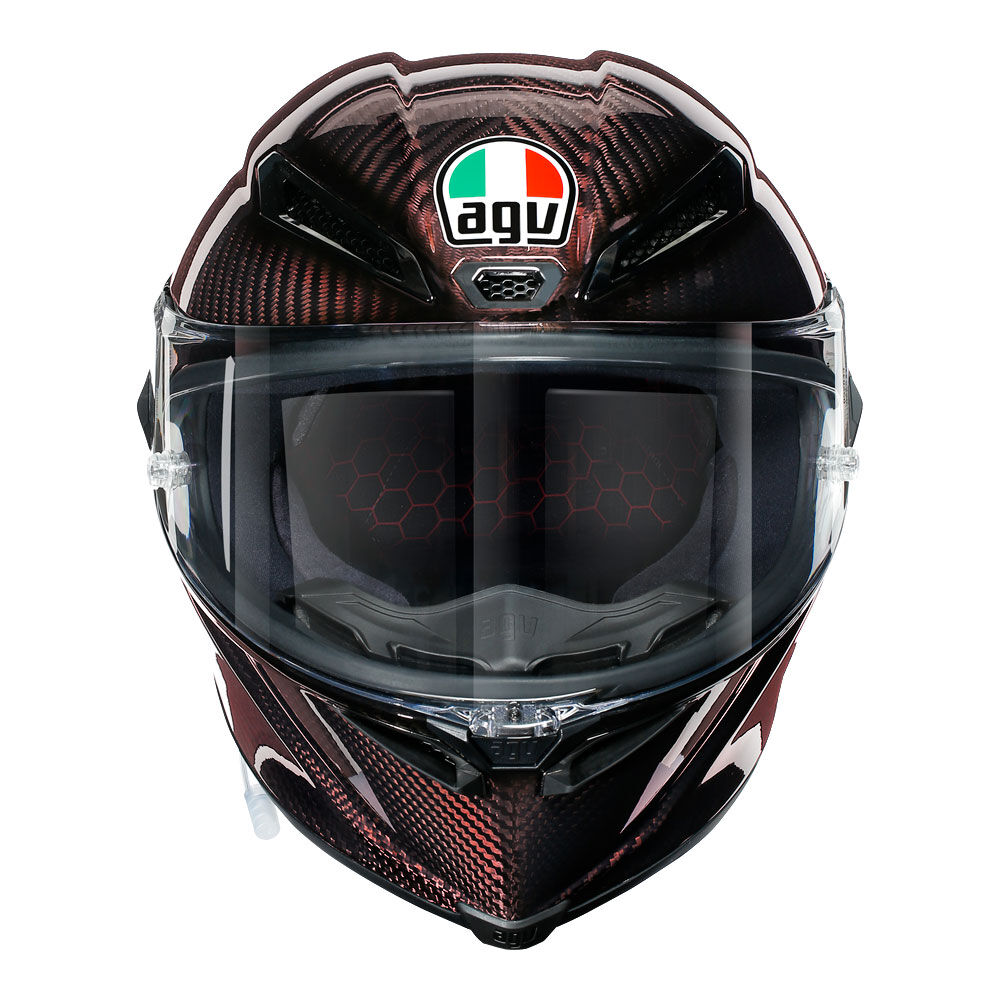
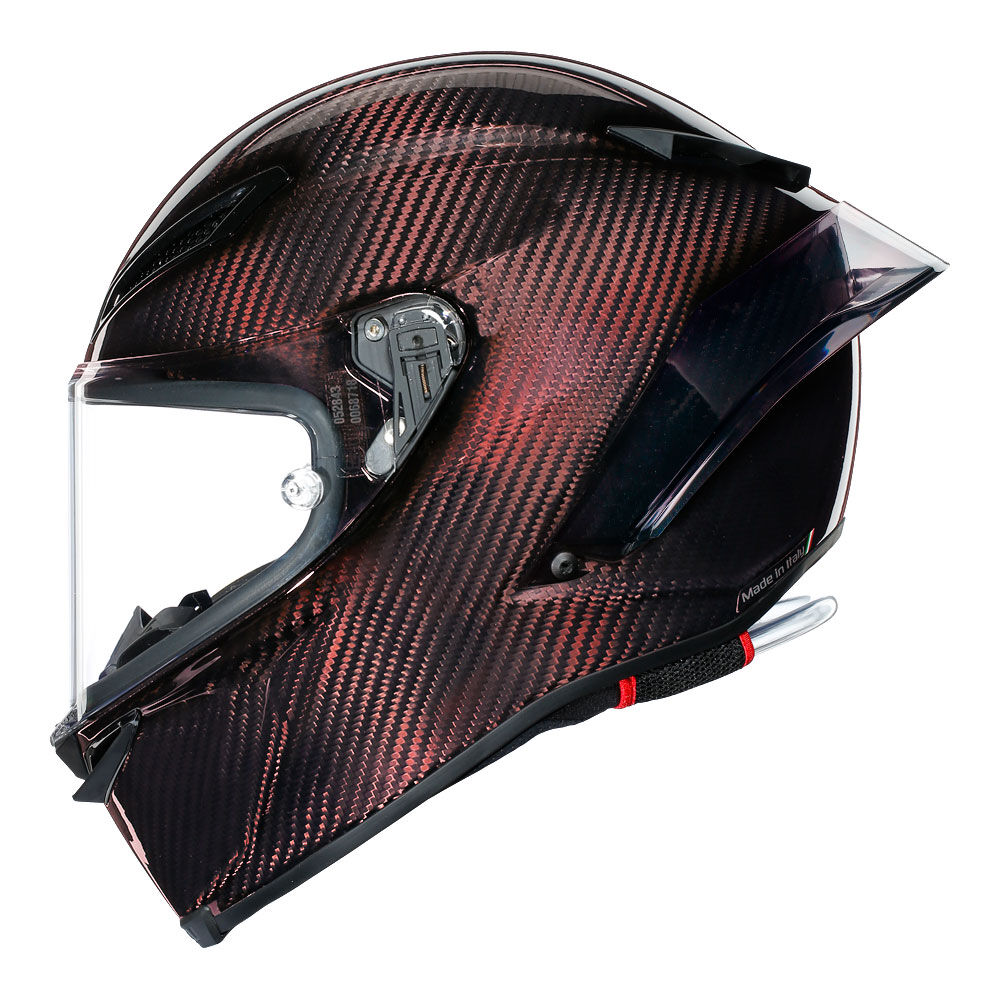
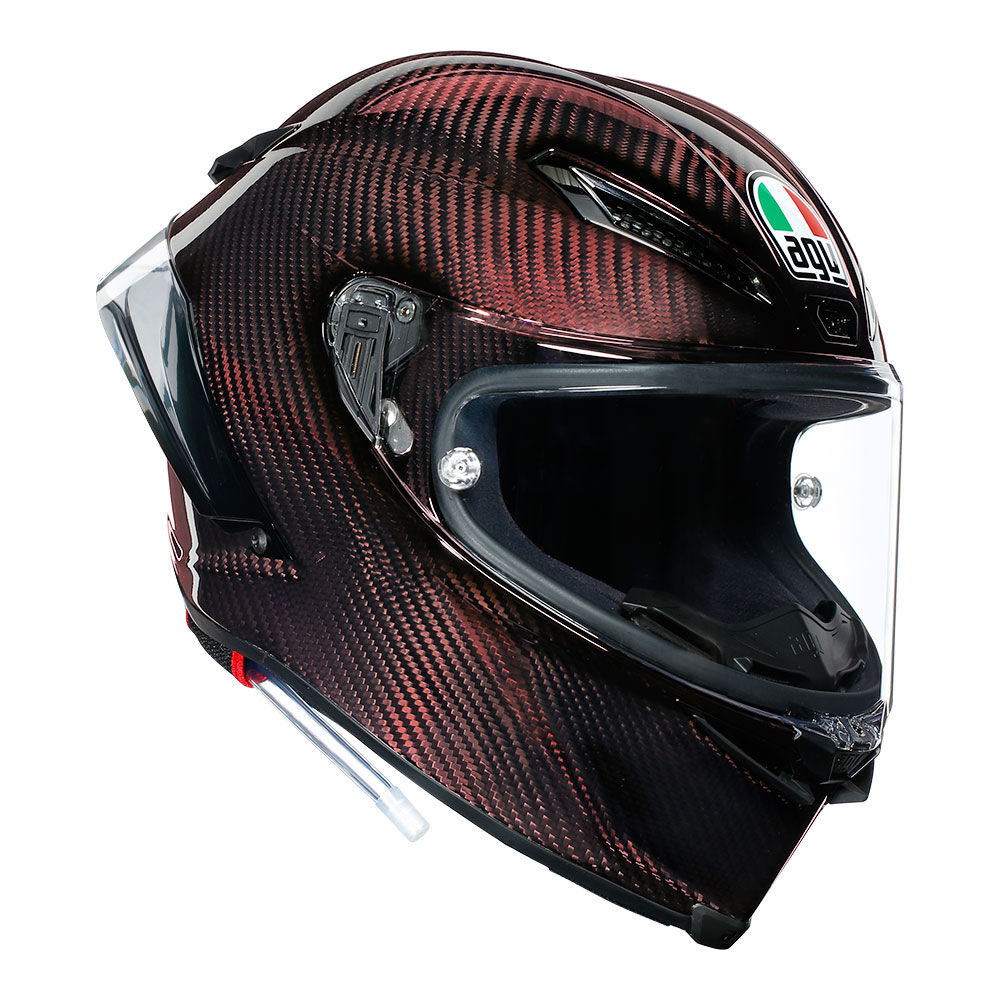
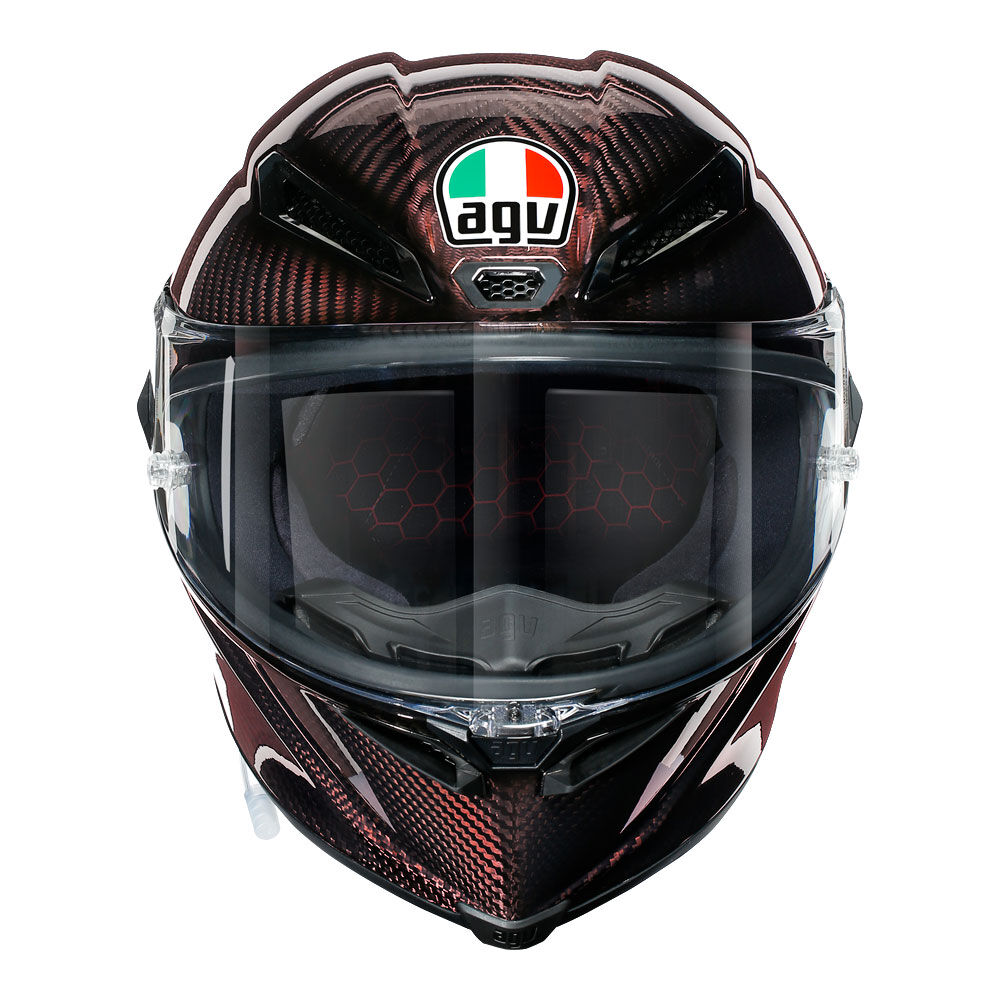
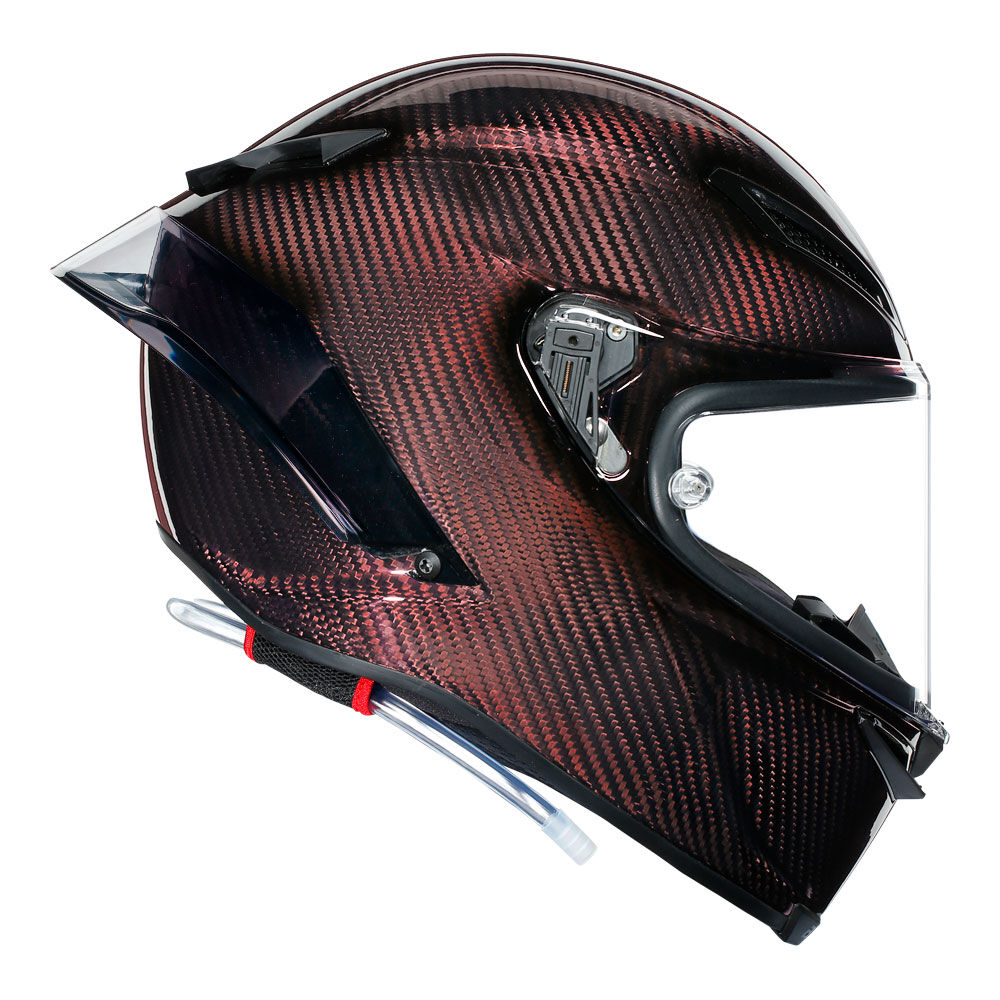
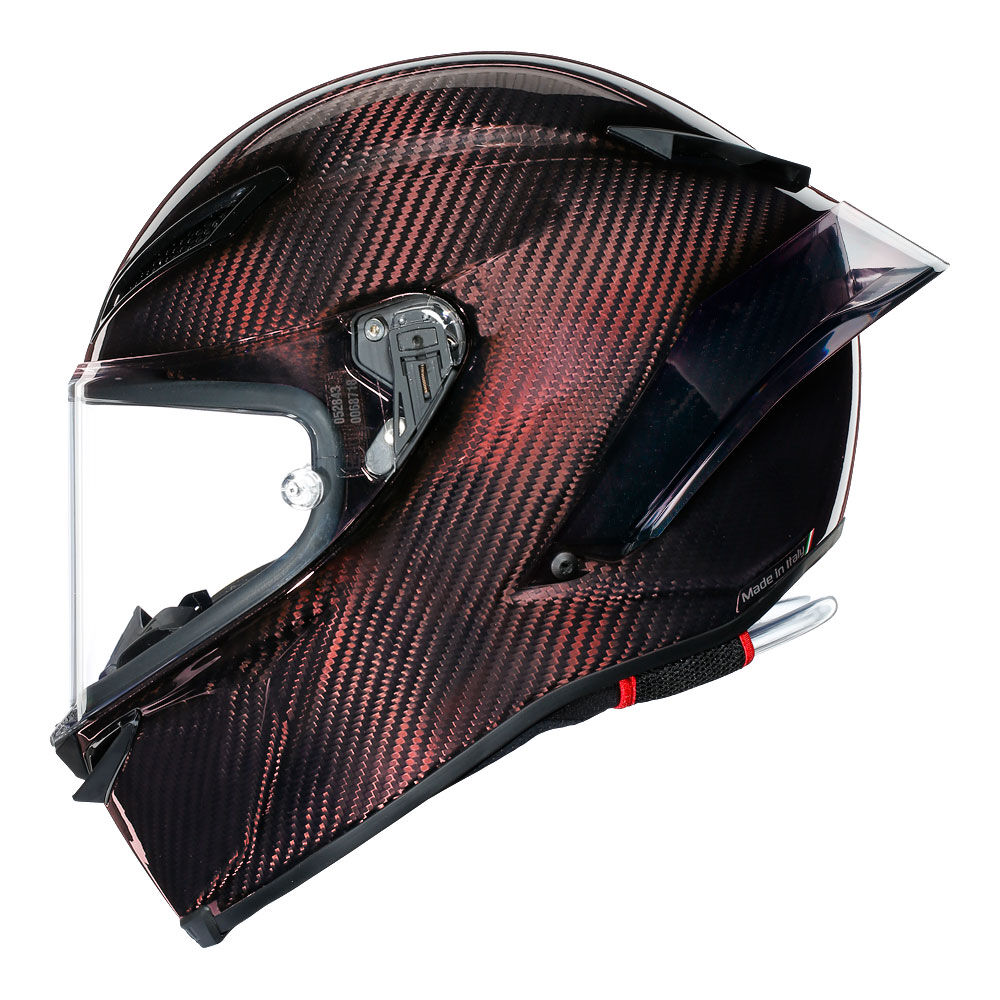
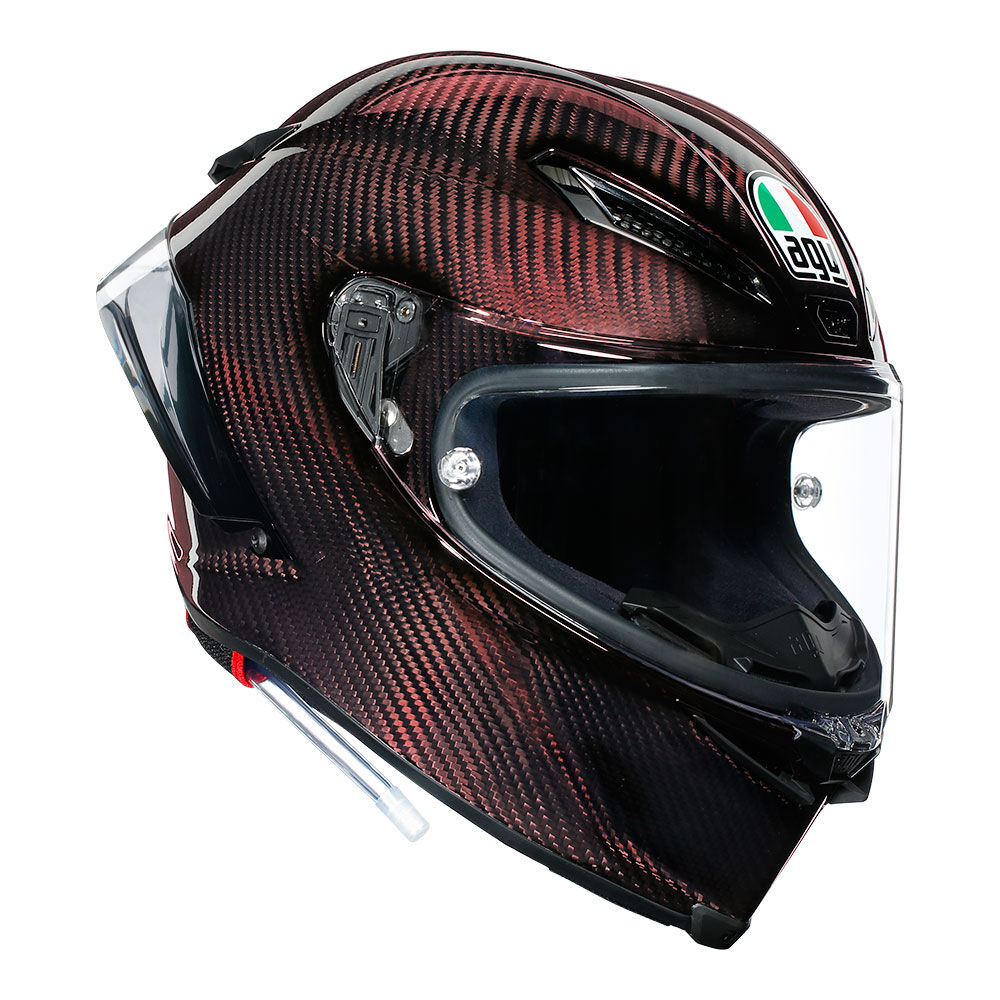
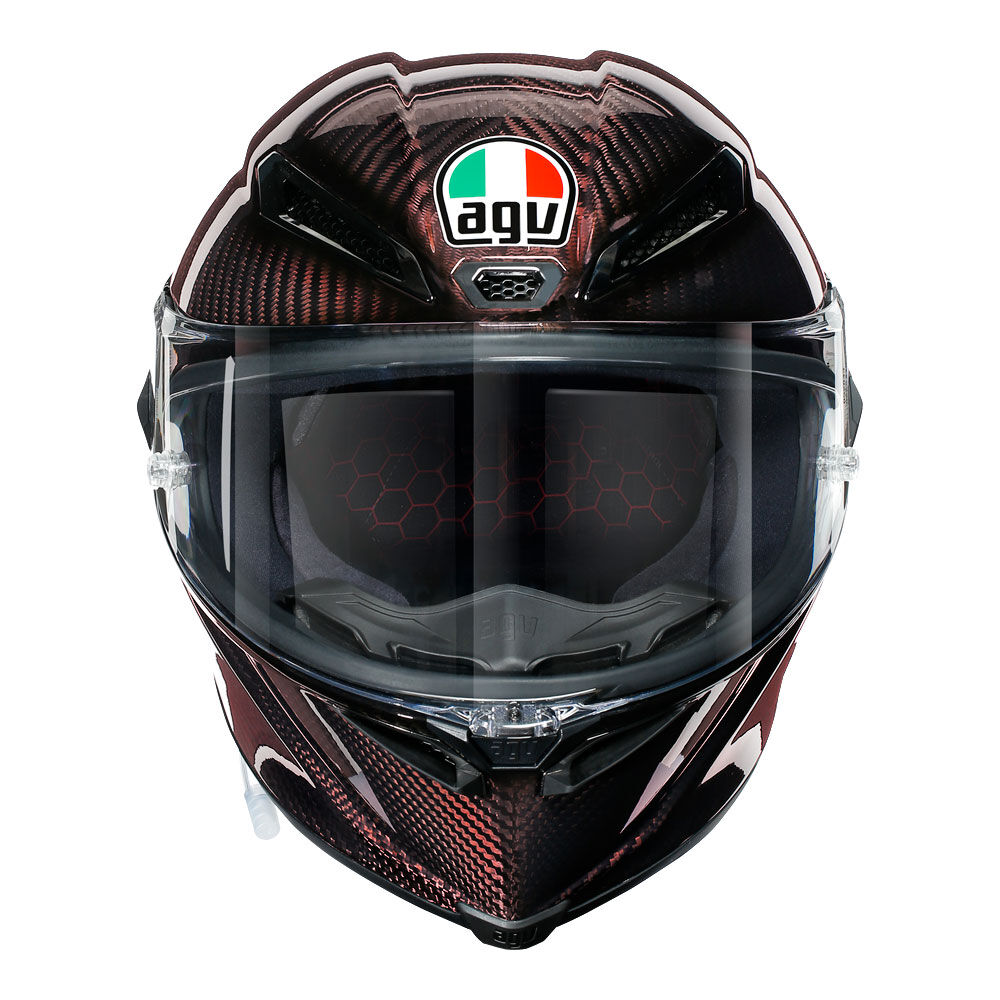
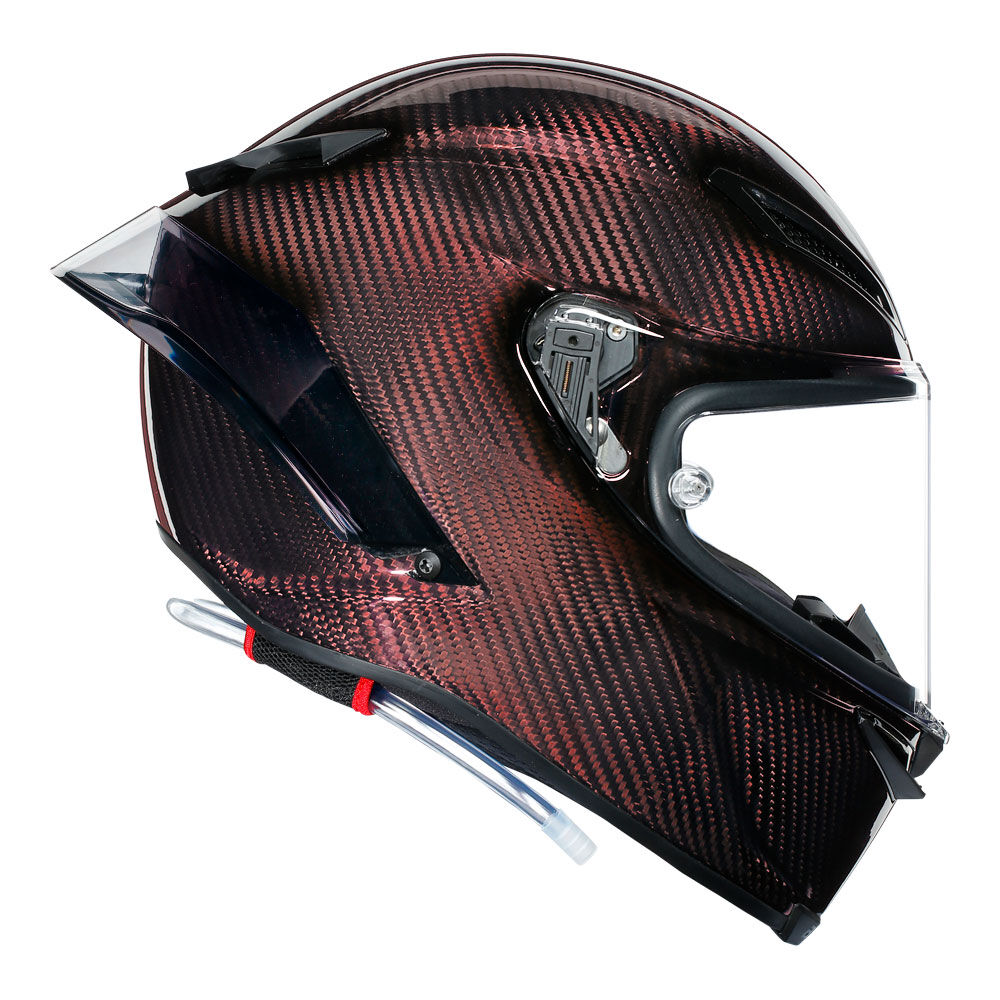
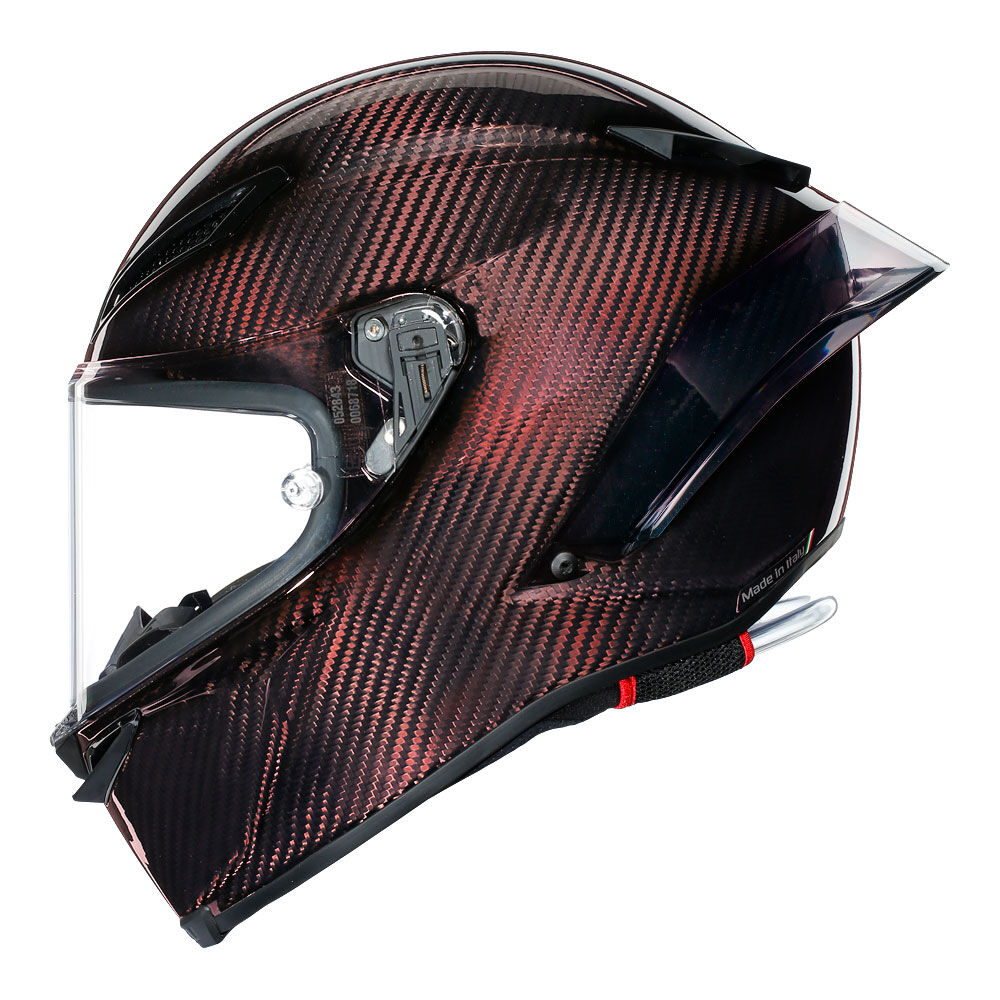
Track day regular, occasional race licence holder. AGV Pista GP RR at $1,999. 1,350g. 100% carbon shell, 5-density EPS, FIM-homologated for professional racing. Top rung of what Shark stocks, built for the MotoGP grid, and the same spec sits on podiums every weekend. The Bell Racestar DLX at $1,199.99 is the track-ready alternative at a noticeably lower price point with ECE 22.06 and a proven race pedigree.

Long-haul touring, 400 to 800km days. Weight matters here more than any other use case. Your neck is holding the lid up against wind buffet for 8 to 10 hours. The LS2 FF901 Advant X Carbon at $949.99 is a 100% carbon modular at 1,550g with a 180-degree rotating chin bar. The AGV Sportmodular ($999) is the premium option at a similar weight.

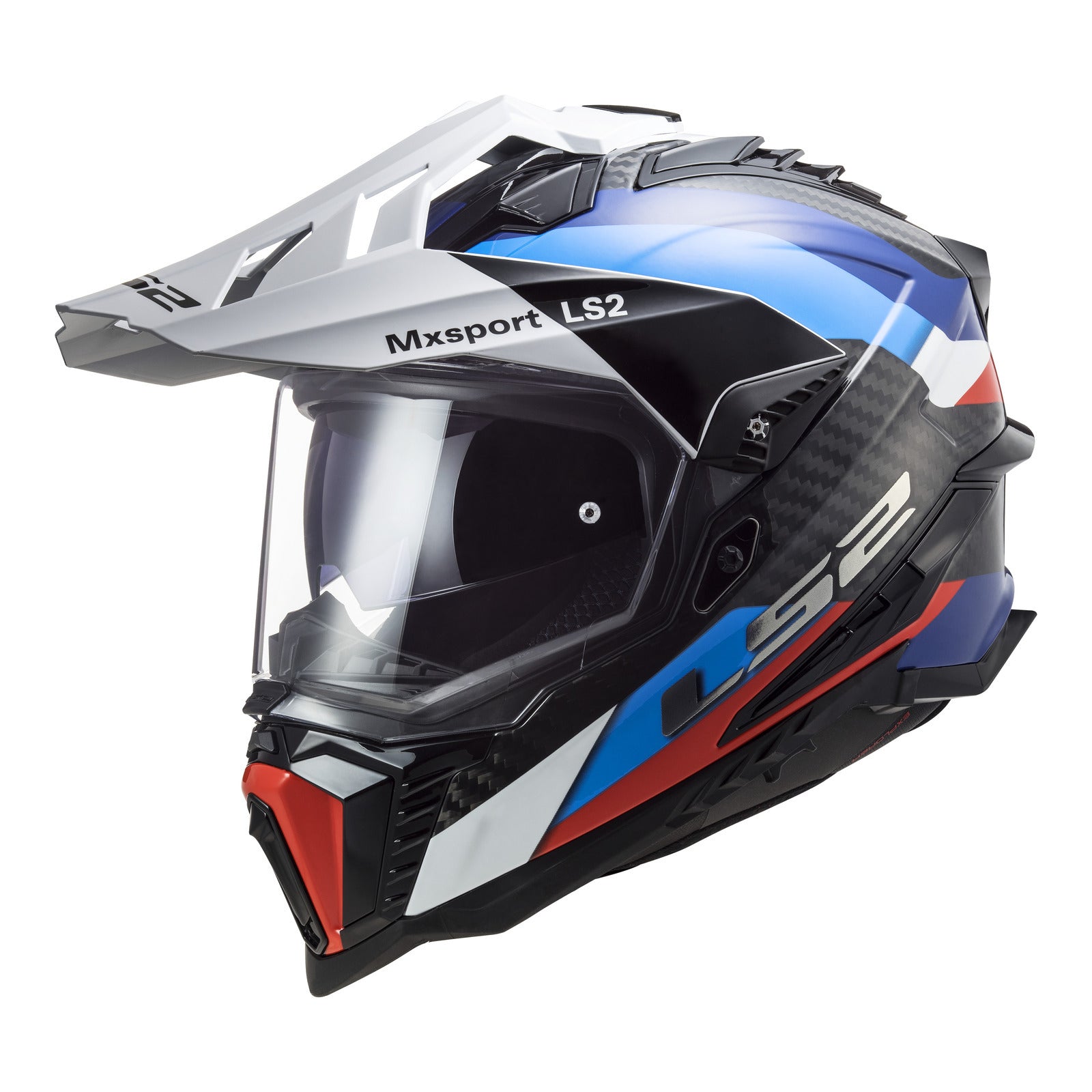
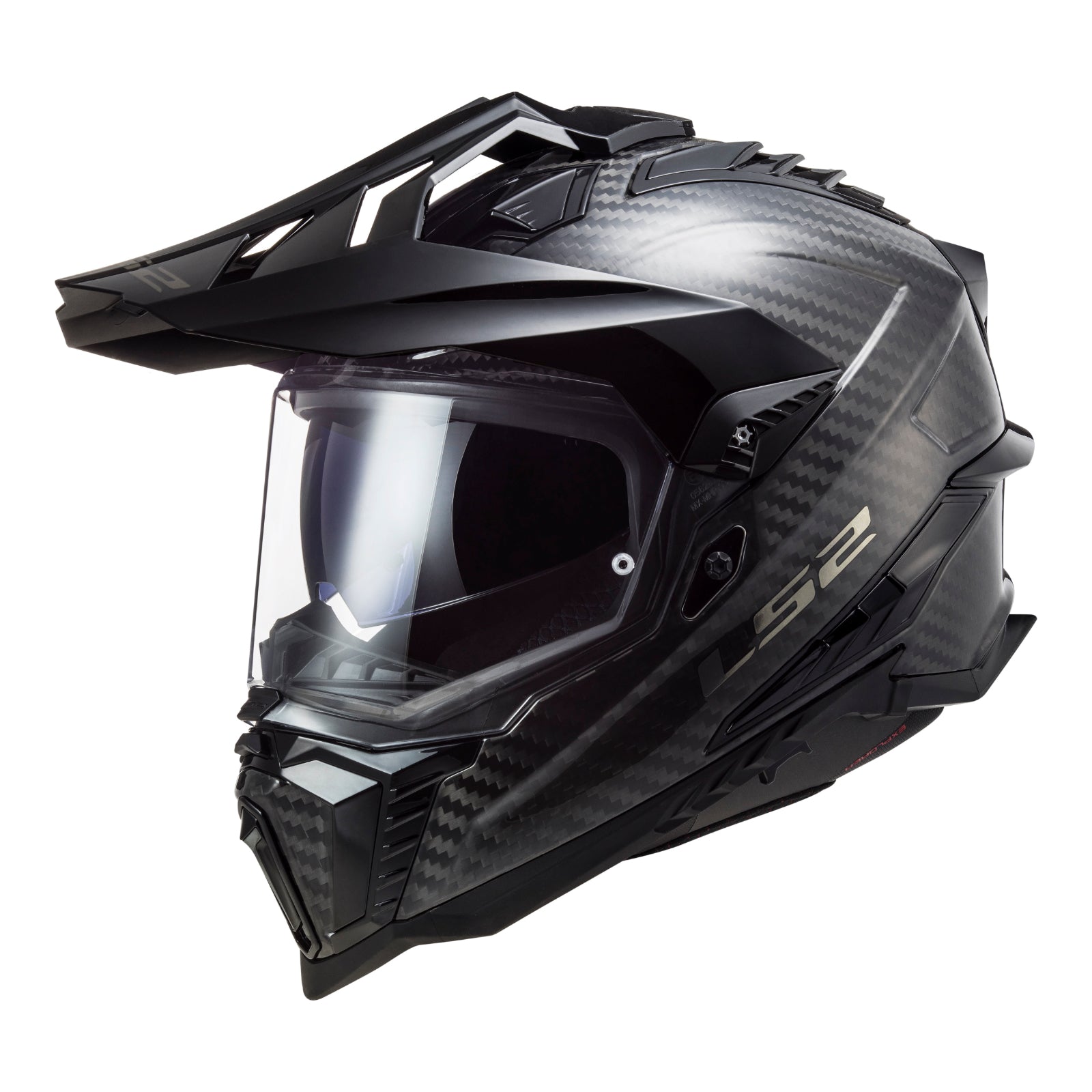
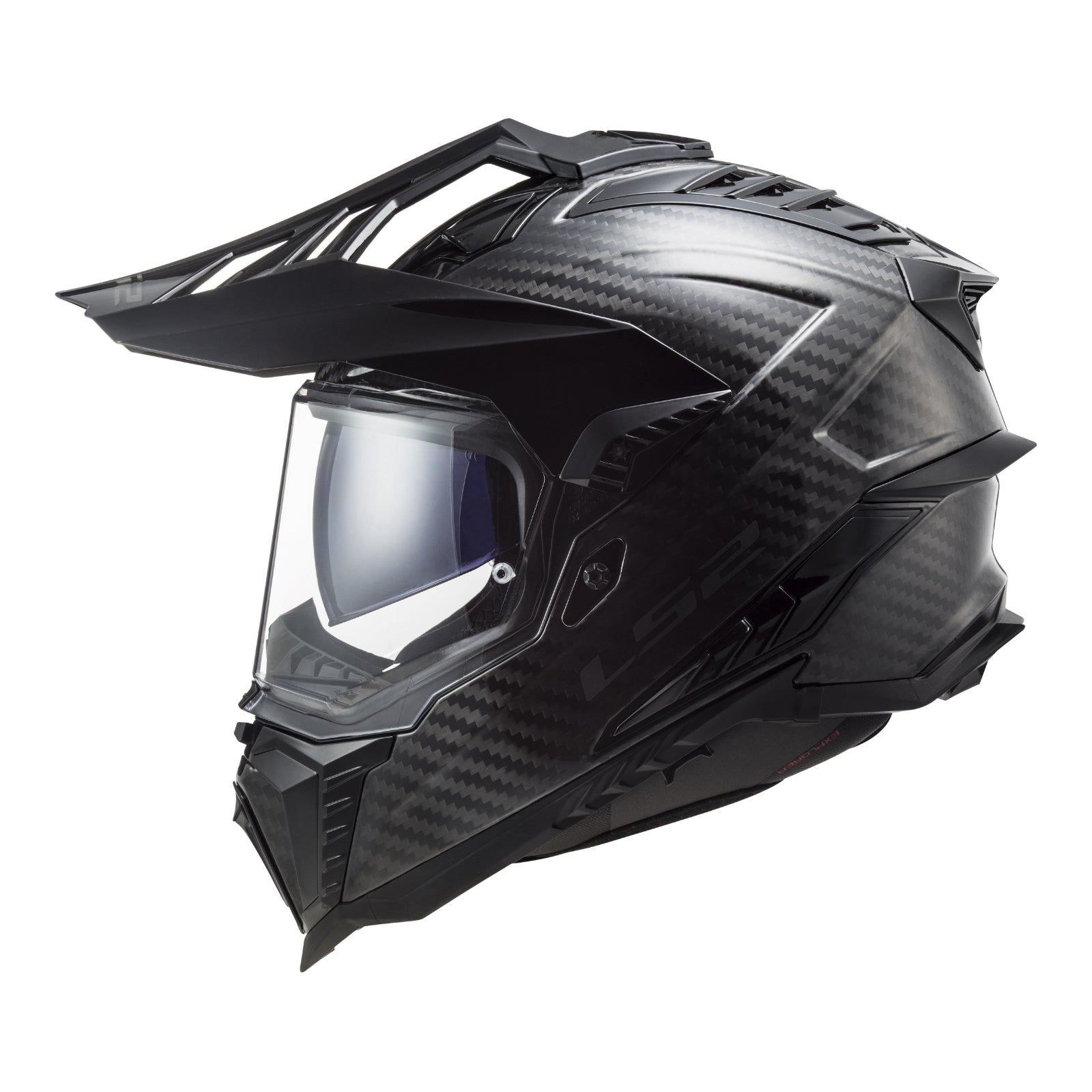
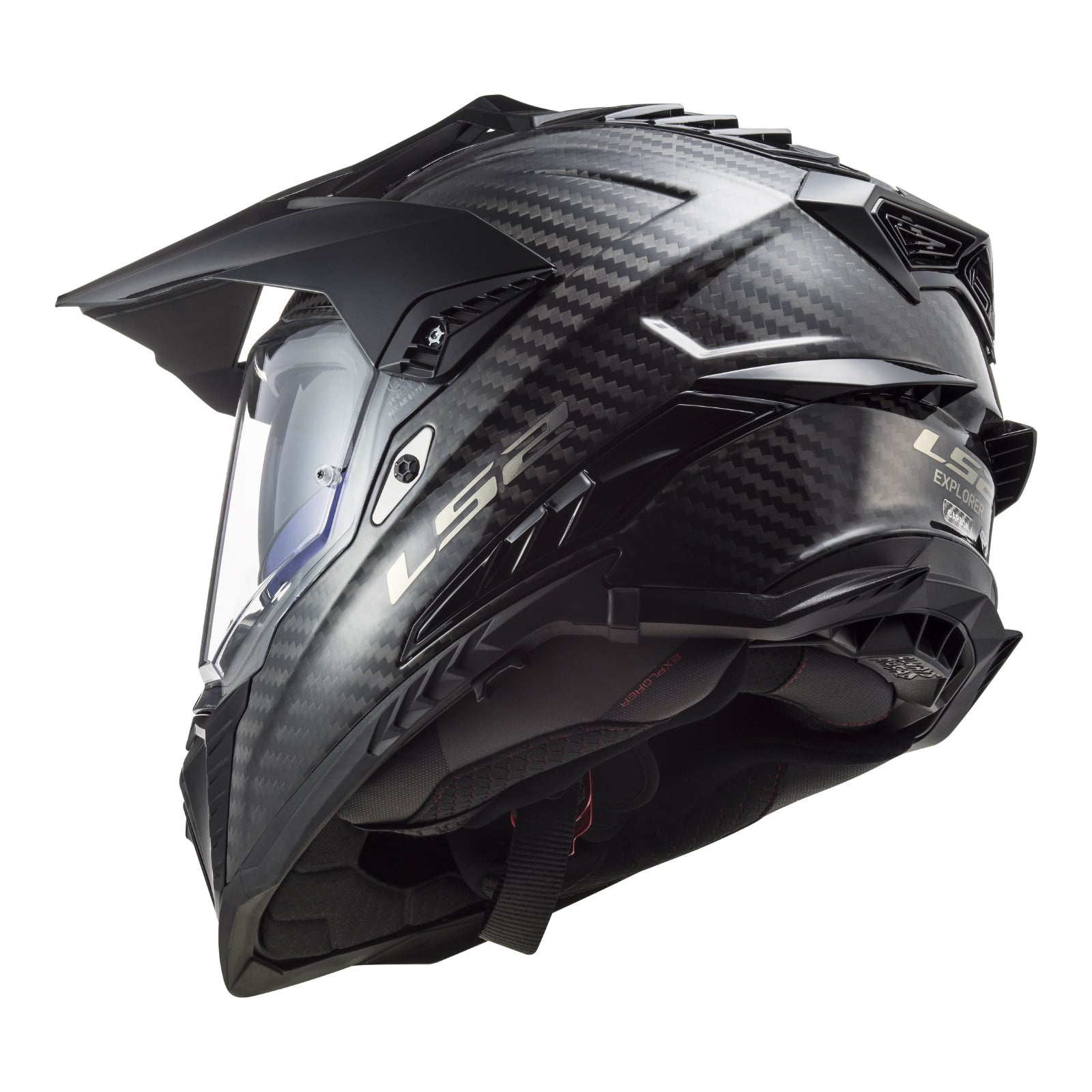
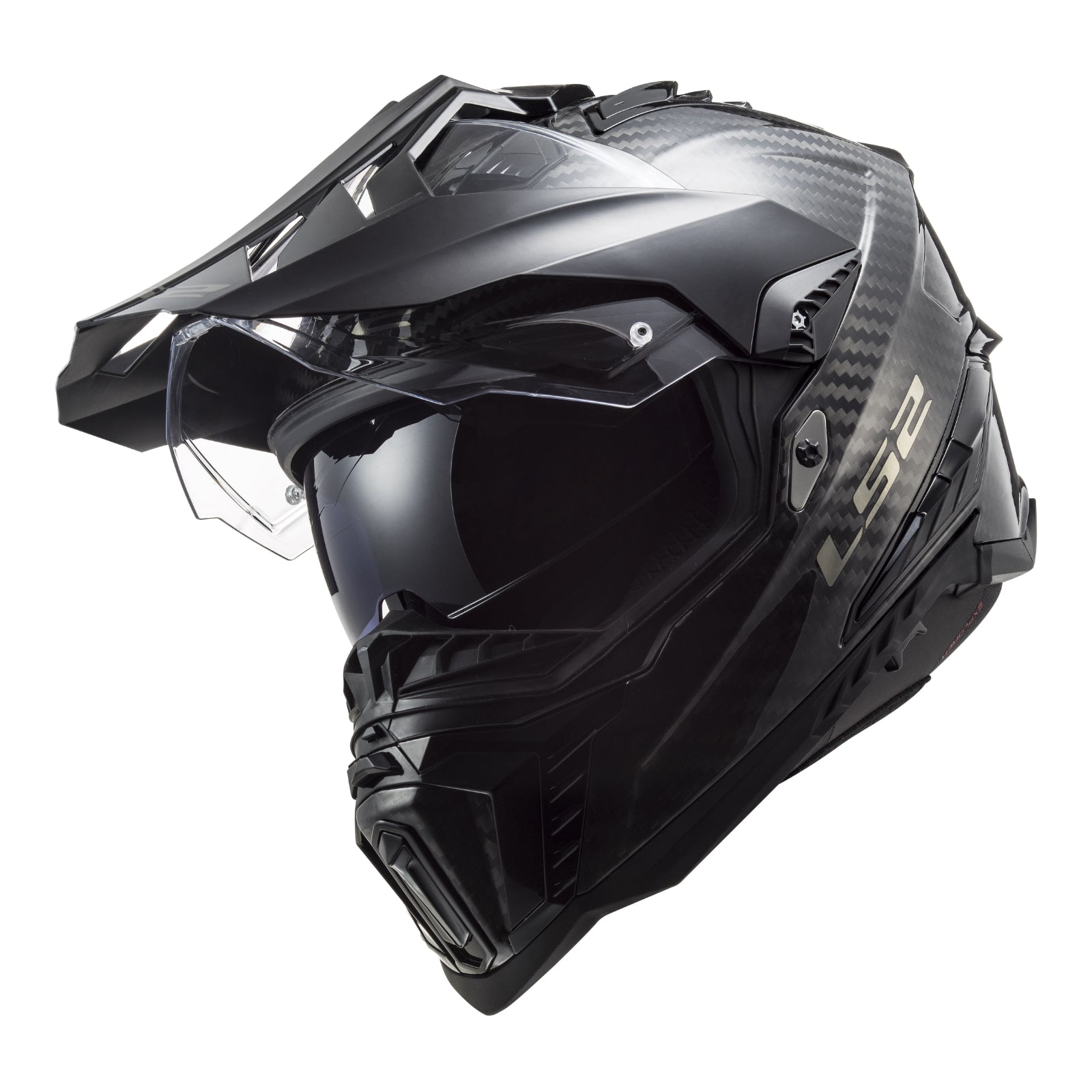
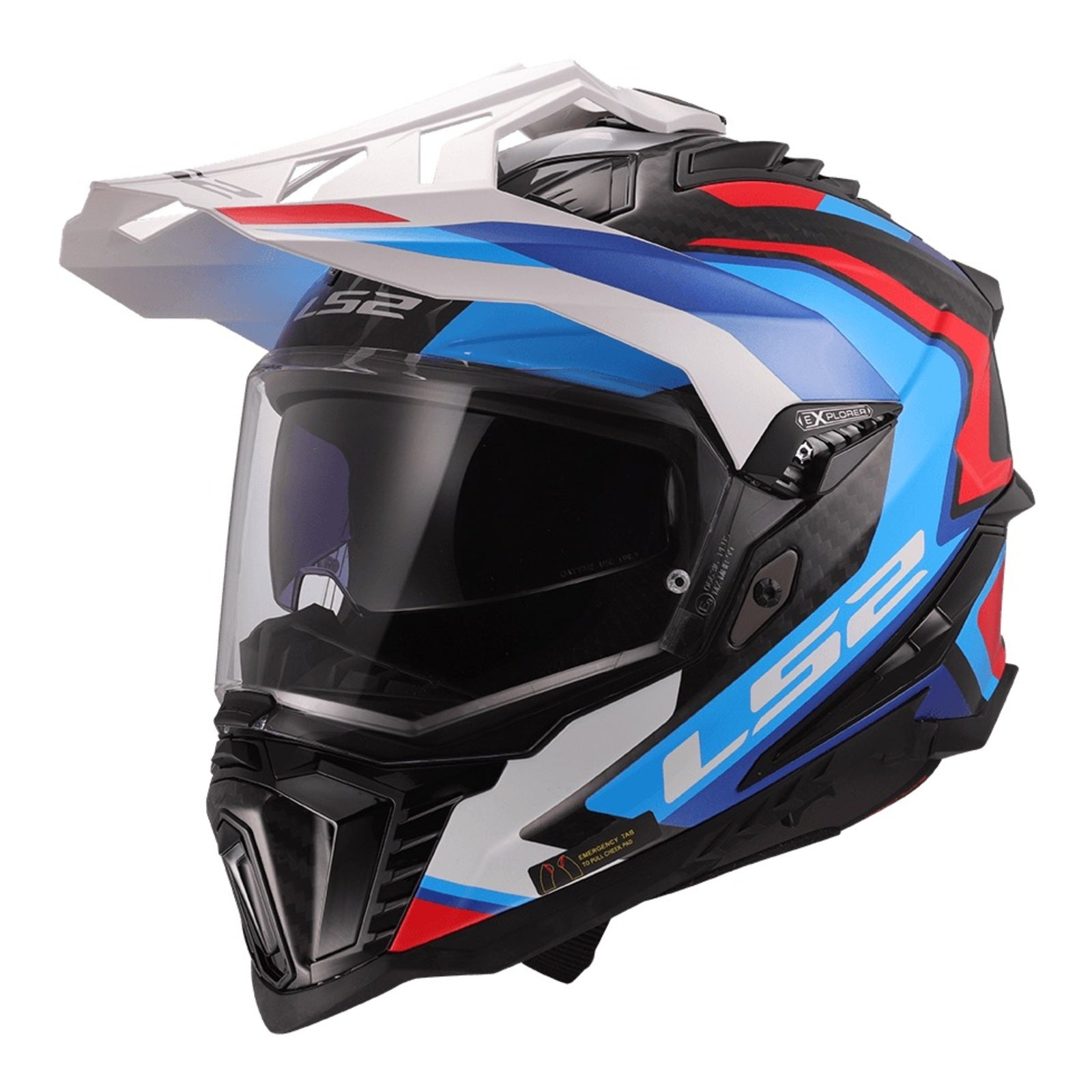
Adventure and dual-sport. LS2 MX701 Explorer Carbon at $649.99 (1,450g) or Airoh Matryx Full 6K Carbon at $849.95. Both run ECE 22.06, both have peak visors, both shave 300 to 400g off comparable poly-shell adventure lids. Matters when you're on the pegs through sand for an hour. Step up to the Airoh Commander Full Carbon Gloss at $899.95 for the adventure-touring spec.

Carbon isn't magic for rotational protection: that's EPS + MIPS/Flex

Before we break down shell types, one honest thing. Carbon does not protect your brain better than polycarbonate. What stops your brain hitting the inside of your skull in a crash is the EPS (expanded polystyrene) liner and how the shell manages rotational force. Carbon buys you weight savings and shell rigidity. It doesn't buy you survival.

The rotational protection story is about the liner system. AGV's 5-density EPS in the Pista GP RR, the slip-plane systems some modern lids use, and liner-based rotational management from systems like MIPS are where the real safety engineering lives. No stocked Shark carbon lid runs MIPS specifically; the AGV and LS2 carbon range manage rotational force through multi-density EPS construction instead. If that matters to you, shop the poly and composite range where MIPS-equipped models sit.

Now the shell side. Carbon fibre isn't one material. It's a family of shell builds that behave differently under impact.

100% carbon monocoque. Pure carbon fibre weave laid in resin, no aramid, no fibreglass. This is what AGV calls "100% Carbon" in the Pista GP RR and what LS2 uses in the FF901 Advant X and FF811 Vector II. Lightest per shell, most expensive to manufacture, and the shell stays rigid right to the failure point. The trade-off: once carbon fractures, it fractures all at once. Poly deforms and holds some structure. Carbon shatters cleanly. This is why carbon lids are single-crash items with zero ambiguity.

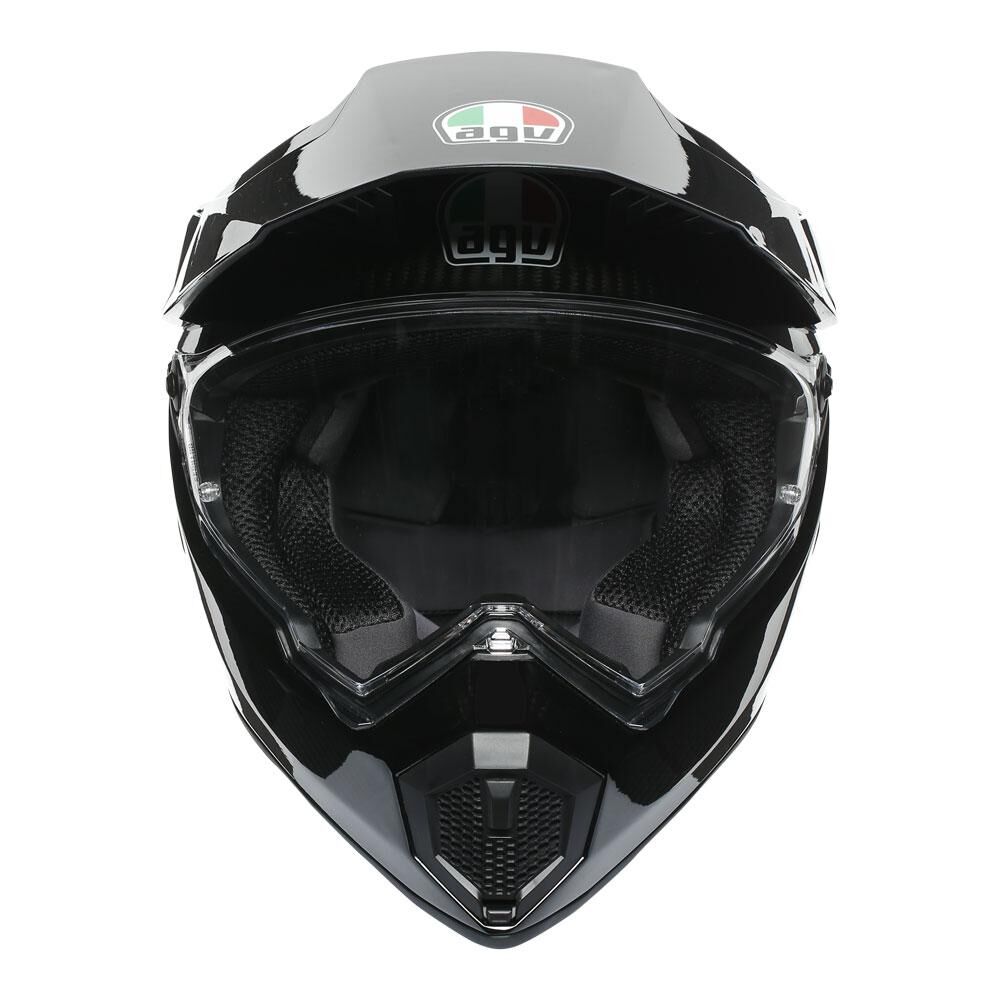
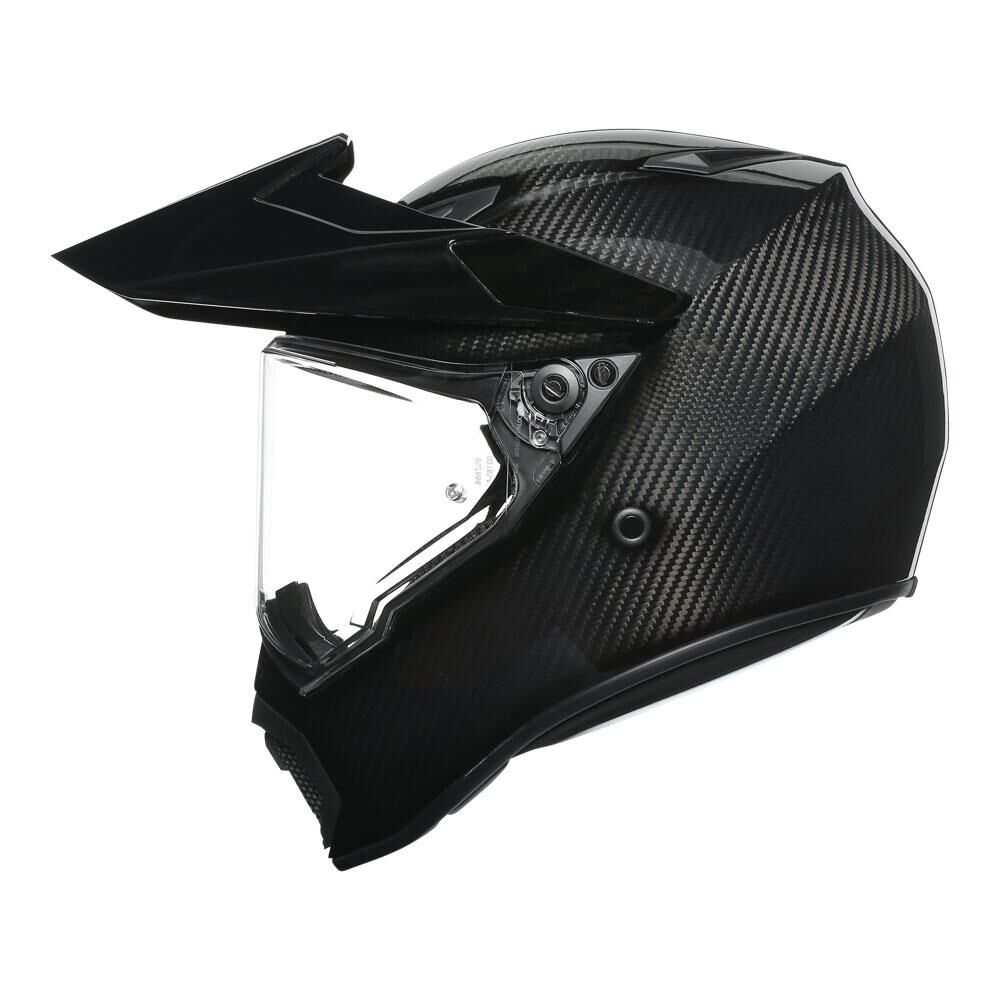
Carbon-aramid-fibreglass hybrid. AGV's AX-9 Matt Carbon uses a Carbon, Aramid and Fibreglass weave, not pure carbon. Shell weight drops to 1,290g (lightest of the stocked carbon adventure lids) while the aramid layer handles more progressive energy absorption. The Sportmodular uses a similar composite. Honest read: hybrid shells are marginally more forgiving on impact and marginally heavier than monocoque. 30 to 60 grams of difference. You won't feel it.

HPC (High Performance Composite) carbon. Airoh's term for their carbon-composite shell. Multi-size construction, wind-tunnel refined. Not quite monocoque carbon, not a fibreglass base either. Sits between the two on cost and weight.

Every helmet in this collection is ECE 22.06 certified. That standard, introduced in 2020 and mandatory across the EU from 2024, tests 18 impact points per helmet (up from 12 on old ECE 22.05), includes high-speed and low-speed tests, and certifies against rotational impact for the first time. If you're shopping elsewhere and a helmet lists only AS/NZS 1698 or ECE 22.05, that's an older standard. Legal to wear in Australia. Not tested to the current state of the art.

About Snell M2020. You'll see it on track helmets from US-dominant brands. Shark's carbon range doesn't carry Snell certification because our stocked brands chase ECE 22.06 and FIM homologation instead. Snell uses a single-anvil peak impact test at higher energy. ECE 22.06 tests more points, more conditions, more angles. Different philosophy. Neither is "better" than the other for road use. FIM homologation (held by the AGV Pista GP RR) is the actual benchmark for professional racing.

Shark Leathers exists because of a crash. Matthew Kuhne was racing from age 4. At 19, he went down hard enough to end up quadriplegic. Our family built this business from a Gold Coast garage because we couldn't find the gear we wished he'd been wearing. Every lid on this page got picked against one question. Would we put it on one of our own?

Carbon helmet comparison

Model Shell type Weight Certification Price (RRP) Best for
AGV Pista GP RR Glossy Carbon 100% Carbon monocoque 1,350g ±50g ECE 22.06 + FIM $1,999 Track days, race licence
Bell Racestar DLX Matt Black Carbon composite (TriMatrix) ~1,450g ECE 22.06 $1,199.99 Track-ready, race pedigree at mid-tier price
AGV Sportmodular Glossy Carbon Carbon / Aramid / Fibreglass ~1,395g ECE 22.06 $999 Premium sport touring, flip-up
AGV AX-9 Matt Carbon Carbon / Aramid / Fibreglass 1,290g ECE 22.06 $799 Adventure, 4-configuration
LS2 FF901 Advant X Carbon 100% Carbon 1,550g ±50g ECE 22.06 P/J $949.99 Touring, 180-degree modular
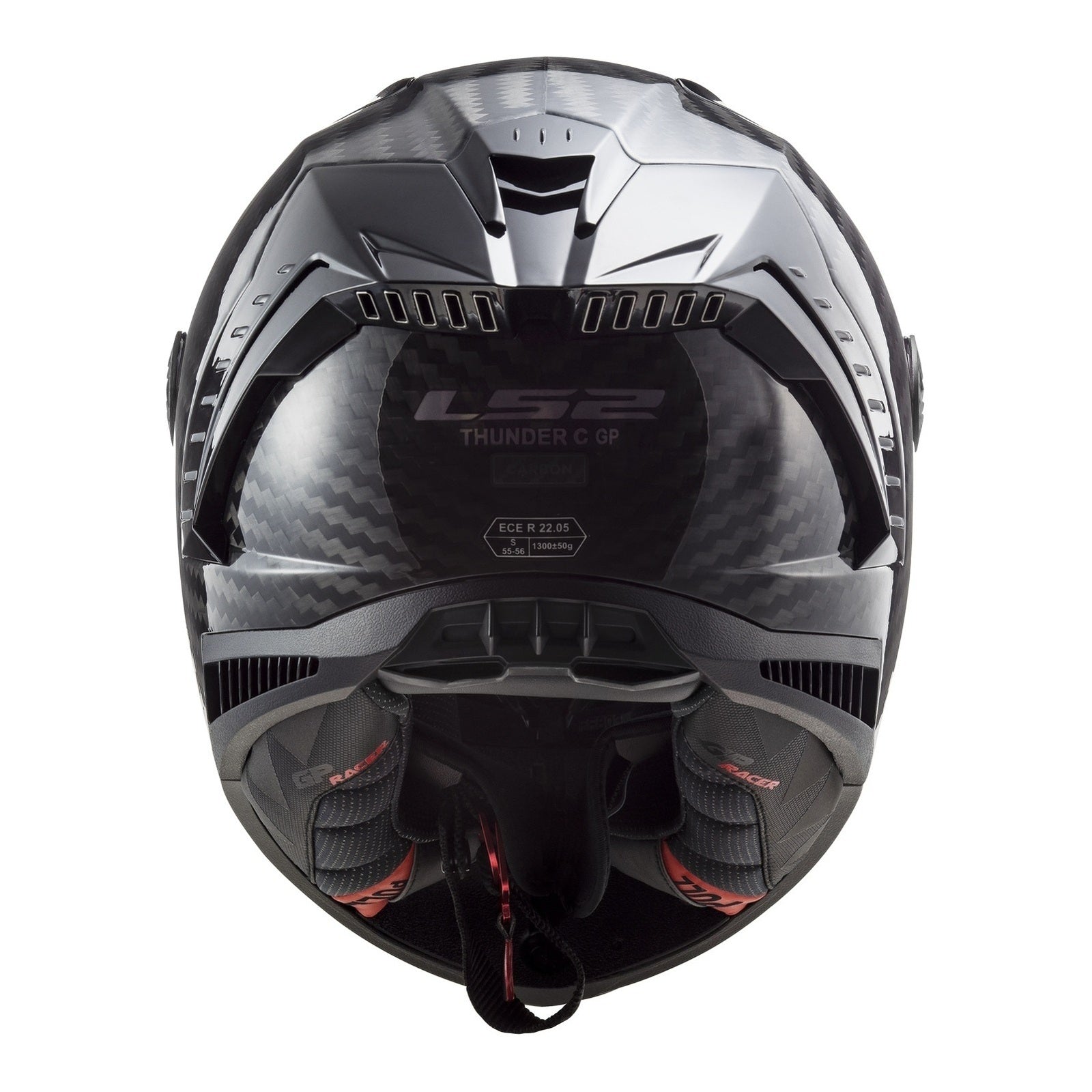
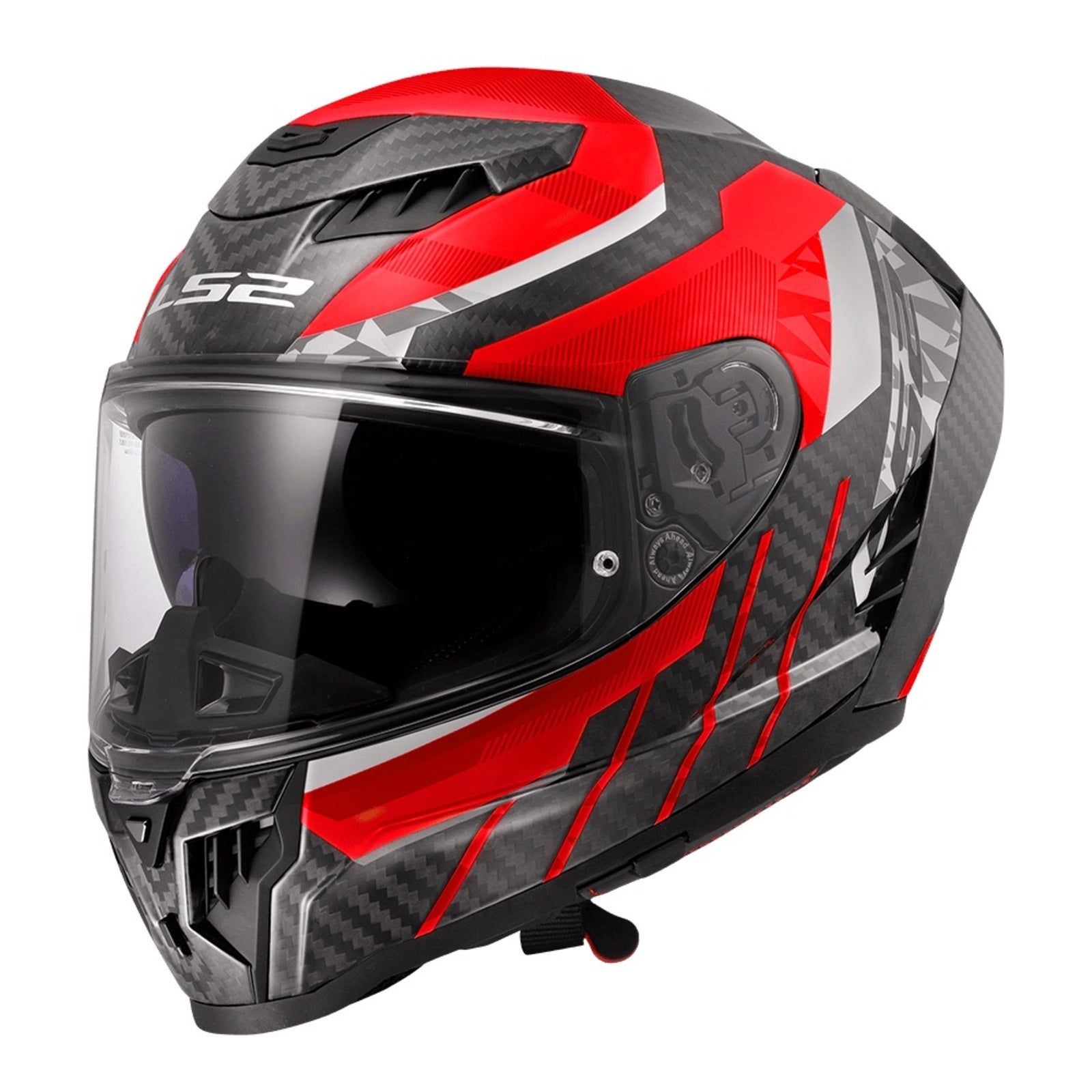
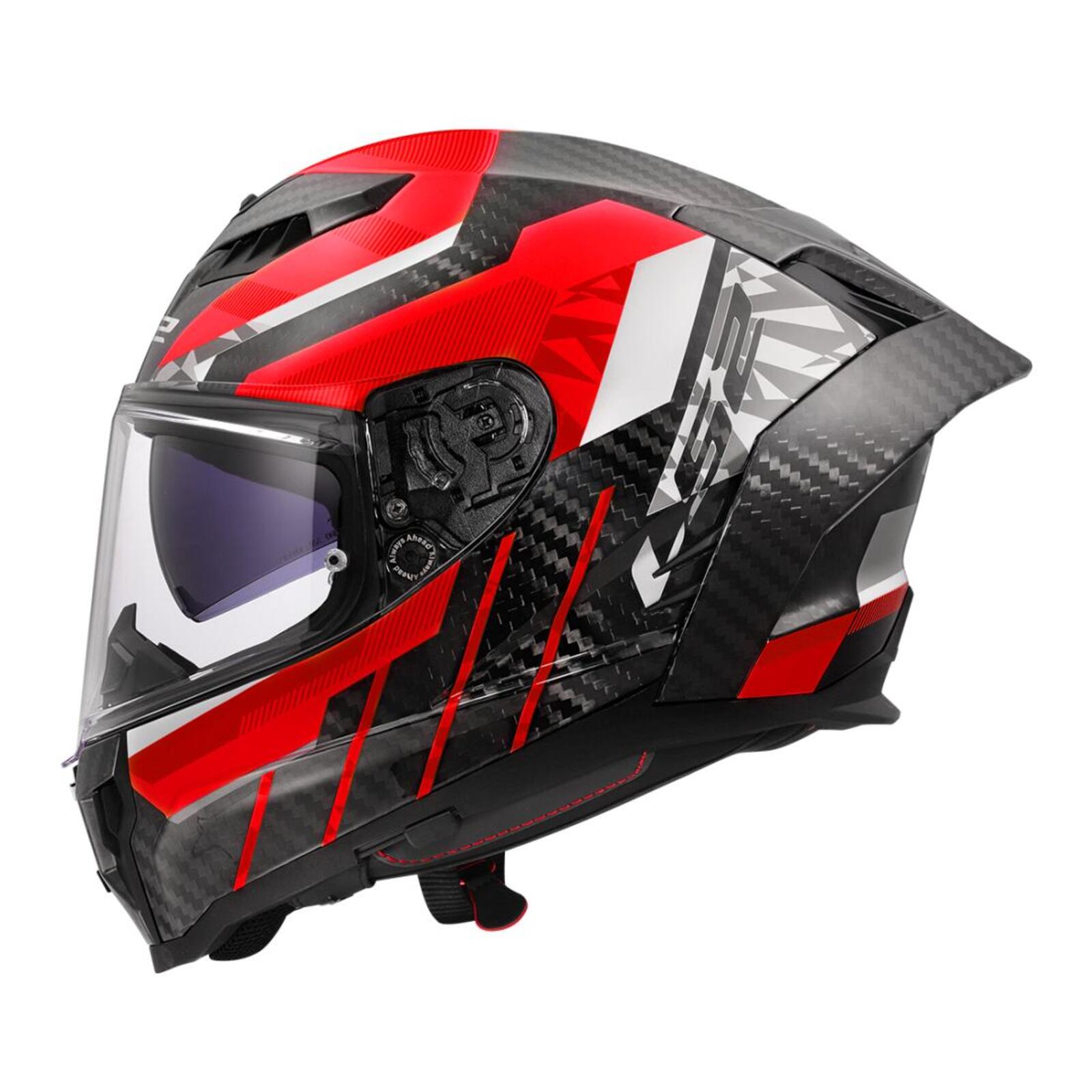
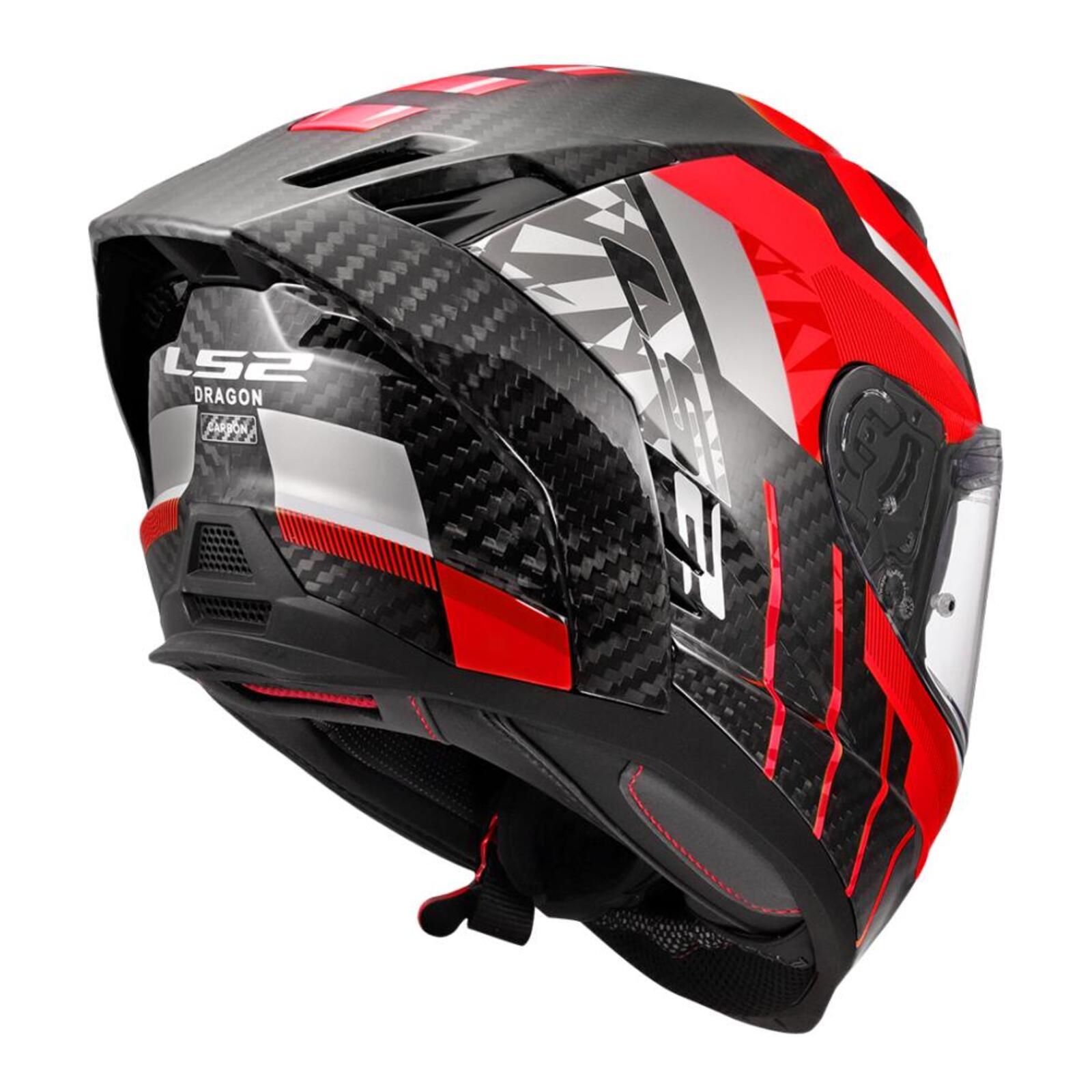
LS2 FF805C Thunder Carbon 100% Carbon ~1,400g ECE 22.06 $749.99 Sport road, carbon entry point
Airoh Matryx Full 6K Carbon 6K Carbon weave ~1,420g ECE 22.06 $849.95 Adventure touring, Bluetooth ready
LS2 MX701 Explorer Carbon Carbon composite ~1,450g ECE 22.06 $649.99 Dual-sport, peak visor

Weights marked with ~ are manufacturer declared, not ±50g tolerance specified. Confirm on product page before committing. Sportmodular vs FF901: Sportmodular is the premium carbon-aramid flip-up; FF901 is a pure carbon monocoque with a 180-degree full-flip chin bar. Similar weight budget, different design brief.

How to pick between Shark's carbon lids

Four questions sort the range fast.

Are you riding track? Pista GP RR if FIM homologation matters. Bell Racestar DLX if you want track-ready carbon at $800 less. Both are ECE 22.06, both have race pedigree, the Pista is the benchmark and the Bell is the smart-money alternative.

Do you want a modular? FF901 Advant X Carbon ($949.99) if you want pure carbon and a 180-degree rotating chin bar. Sportmodular ($999) if you want the AGV chassis and carbon-aramid hybrid construction. Both clear 1,500g, both ECE 22.06.

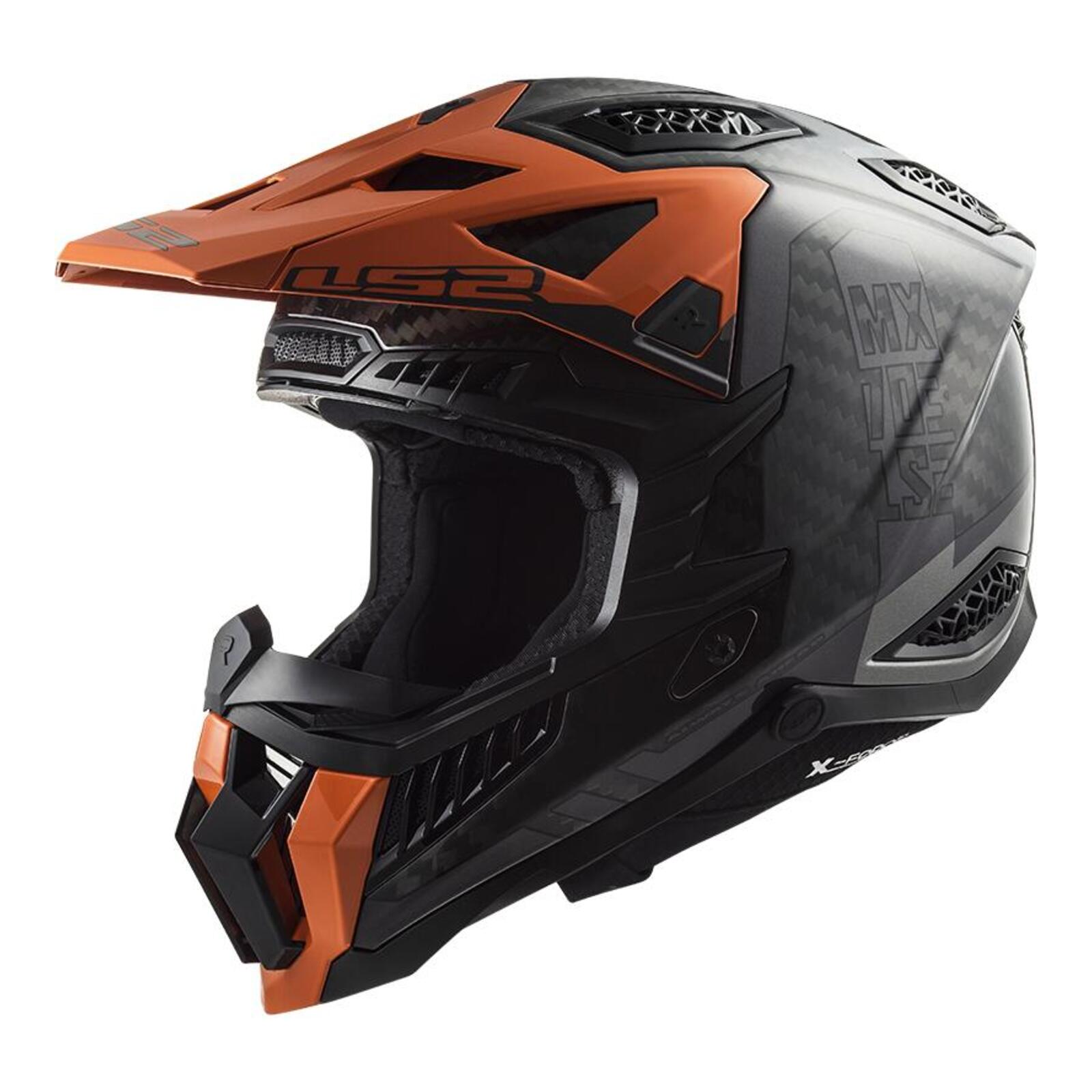
Adventure or dual-sport? AX-9 Matt Carbon ($799) at 1,290g is the lightest adventure carbon we stock. Matryx Full 6K ($849.95) and Commander Full Carbon ($899.95) bring the Airoh construction. MX701 Explorer Carbon ($649.99) is the entry point into carbon adventure.

Sport-road on a budget? LS2 FF805C Thunder Carbon ($749.99 RRP) is the cheapest way into 100% carbon in our range.

FAQs

Is a carbon helmet worth the cost?

Depends on how many kays you ride. Under 100km a week and the $500 to $1,200 premium over a good polycarbonate lid is hard to justify. Over 300km a week, or any track day rider, the weight saving shows up as less neck fatigue, less buffet at 110km/h, and less helmet-induced headache on a long day. Verdict: it's a comfort and performance upgrade, not a safety upgrade. Spend the money if the kays support it. Don't if they don't.

Can carbon helmets crack more easily?

Carbon fractures differently to polycarbonate. Poly deforms under impact and holds some structural integrity. Carbon stays rigid right up to failure then shatters. Both are single-crash items once impacted. In a crash, the carbon shell is doing its job by failing. The real concern isn't safety. It's that carbon is more likely to chip or scratch cosmetically from a dropped lid, an impact with a tank bag, or workshop contact. A $1,999 Pista GP RR with a cosmetic chip looks worse than a $400 poly lid with the same chip.

Carbon or polycarbonate for daily riding?

Polycarbonate. A quality poly lid tested to ECE 22.06 protects your head on the same standard. Put the $500 to $1,200 saving into CE Level 2 armour, better gloves, proper riding boots, or an advanced rider course. Daily commute kays are slow-speed urban. Shell weight barely matters at 60km/h. Verdict: poly wins for commuters every time.

Are carbon helmets quieter?

Marginally, not dramatically. Quiet comes from fit, neck roll seal, visor seal and shell aerodynamics. Carbon shells are often more aerodynamically refined (AGV Pista GP RR was wind-tunnel developed with MotoGP teams), so the best carbon lids are quieter than equivalent-price poly lids. But a $200 budget poly lid with a tight neck roll can be quieter than a $1,500 carbon race helmet designed for maximum airflow. Quiet is a fit and use-case question, not a material question.

How do I care for a carbon helmet?

Clean the shell with warm water and a non-abrasive cloth. Skip solvents, polishes, and anything petroleum-based because they can degrade the clear coat that protects the carbon weave. Store the lid out of direct sunlight (UV degrades the resin over 5 to 10 years regardless of shell material). Replace the lid after any crash impact, even if the shell looks fine, because the EPS liner compresses and doesn't recover. Manufacturer lifespan for a stored carbon lid is typically 5 to 7 years from manufacture date, same as poly.

Do carbon helmets last longer than polycarbonate?

No. Both are rated for roughly 5 to 7 years from manufacture date. Carbon doesn't degrade faster, but it doesn't last longer either. The limiting factor is the EPS liner (compresses with heat, sweat and time) and the resin/clear coat (degrades with UV). A carbon lid stored in a hot garage for 8 years is no safer to wear than a poly lid in the same conditions. Check the date sticker inside the shell. If it's past the 5-year mark, start budgeting for a replacement.

Frequently asked questions

Is a carbon helmet worth the cost?

Depends on your kays. Under 100km a week and the $500-$1,200 premium over a polycarbonate lid is hard to justify. Over 300km a week, or any track day rider, weight saving shows up as less neck fatigue and less buffet at highway speed. It's a comfort and performance upgrade, not a safety upgrade.

Can carbon helmets crack more easily?

Carbon fractures differently to polycarbonate. Poly deforms under impact and holds some structure. Carbon stays rigid right up to failure then shatters. Both are single-crash items. The real concern with carbon isn't safety, it's that carbon is more likely to chip or scratch cosmetically from drops or workshop contact.

Carbon or polycarbonate for daily riding?

Polycarbonate. A quality poly lid tested to ECE 22.06 protects your head on the same standard. Put the $500-$1,200 saving into CE Level 2 armour, better gloves, proper boots, or an advanced rider course. Daily commute kays are slow-speed urban. Shell weight barely matters.

Are carbon helmets quieter?

Marginally. Quiet comes from fit, neck roll seal, visor seal and aerodynamics. Carbon shells are often more aerodynamically refined, so the best carbon lids are quieter than equivalent-price poly lids. But a tight-fitting $200 poly can be quieter than a $1,500 race-oriented carbon helmet built for airflow.

How do I care for a carbon helmet?

Warm water and a non-abrasive cloth on the shell. Skip solvents and petroleum-based products because they degrade the clear coat protecting the carbon weave. Store out of direct sunlight. Replace after any crash impact, even if the shell looks fine, because the EPS liner compresses and doesn't recover.

Do carbon helmets last longer than polycarbonate?

No. Both are rated for 5-7 years from manufacture date. Carbon doesn't degrade faster or slower. The limiting factors are the EPS liner (compresses with heat, sweat and time) and the clear coat (degrades with UV). Check the date sticker inside the shell before buying used.

Afterpay & Zippay Available